
The Frankfurt Appeal: What Publishers Want on AI Training, and What It Means for Indie Authors
German publishers opened the Frankfurt Book Fair with an appeal on AI training data. Here's what they're asking for and what it means for indie authors.

Who Signed
120 publishers at the opening (not indie authors)
The Ask
Disclose training data, build a licensing market, enforce copyright
For KDP Authors
No change: KDP's AI rules cover your own use of AI

By Gundi Gabrielle
4 min read
The Frankfurt Book Fair opened with a big statement about AI, and it's one every author should understand, even if you've never set foot in Germany.
The German Publishers & Booksellers Association (the Börsenverein) published what it calls the Frankfurter Appell, a call for rules on how AI companies use books. Its chairman framed it as a double loss: first the books, then the thinking.
Here's what the Frankfurt Appeal actually asks for on AI training, who signed, and the part that matters most for indie authors: this is a publishers' appeal, not an authors' one.
What the Frankfurt Appeal says about AI training (the official version)
According to the association's own page and German press coverage of the opening, the appeal is addressed to the European Commission, the European Parliament, and the German federal government. It asks for three things:
- Transparency. AI companies should have to disclose which works they use to train their models. The appeal points out that, without clear legal duties, they don't say which individual works were used, even though the technology to do so exists.
- A licensing market. Models for appropriate compensation, instead of today's setup where text-and-data-mining exceptions allow access without payment.
- Real enforcement. Effective tools to enforce copyright, so rights holders don't have to hunt for evidence and then fight for their claims in costly proceedings.
At the opening, press reports said 120 publishers had signed. The signature list on the association's page was longer when I checked, so I'd treat 120 as a floor. Named signatories include well-known German houses and the International Publishers Association.
What it isn't
It isn't a law, and it isn't a ruling. It's a public request to lawmakers. Nothing about it changes what you can do on Amazon KDP today.
It also isn't an appeal from indie authors. The signatories are publishers. That matters, because publishers and independent authors don't always want the same thing out of an AI licensing market, and indie authors don't have a seat at this table unless a group like an authors' association speaks for them.
👑 Want to use AI the right way for your book? Golden Bestseller Empire keeps you in the driver's seat. → Meet your AI Publishing Team
Why indie authors should still pay attention to the Frankfurt Appeal
The practical hook is a question many of us have asked: was my book used to train an AI model? Right now, nobody can answer that reliably, because there's no duty to say. A work-by-work training disclosure, the first demand in the appeal, is exactly what would change that.
It also helps to keep two things apart:
- What an AI company trains on. That's what the Frankfurt Appeal is about.
- How you use AI to write. That's what KDP's rules cover. Amazon asks you to disclose AI-generated text, images, or translations when you publish, and it doesn't require disclosure for AI-assisted work, where you wrote the book and used AI to edit or brainstorm. I explain the difference in Can You Publish AI Books on Amazon KDP?.
The Frankfurt Appeal wouldn't change the second one, and it's only about AI training. But it shows where the wider conversation is heading: toward more transparency about AI and books, from every side.
What to do with the Frankfurt Appeal news
- Nothing urgent. No deadline attached, and nothing changes on KDP.
- Keep your own records. If you use AI as part of your process, note which tools helped with what. It's good practice with or without any new rule.
- Follow the outcome. If the EU acts, the effects could reach authors well outside Europe.
Still unknown (and worth watching)
- Whether the European Commission, Parliament, or the German government will act on any of the three asks.
- Whether author associations will add their own voice, and what indie authors would want from a licensing market.
- How training-data disclosure, if it's ever required, would work in practice for a single book.
I keep every KDP change I can verify in one place: the latest Amazon KDP updates. And if you're building your own book with AI help, my Amazon KDP publishing guide shows where AI fits in each step.
A quick note from someone who's been doing this a while
I love AI as a tool, and I also care a great deal about authors being paid and credited properly for their work. Both things can be true. My own rule stays the same: AI is amazing, and I just don't like having it write my books.
If you only do one thing after reading this: bookmark the association's page, and check back on what lawmakers do with it.
Frequently Asked Questions
What is the Frankfurt Appeal?
The Frankfurter Appell is a public appeal from the German Publishers & Booksellers Association, published at the opening of the Frankfurt Book Fair. It asks lawmakers for rules on how AI companies use books for training.
What does the Frankfurt Appeal ask for?
Three things: transparency about which works AI companies use for training, a licensing market with appropriate compensation, and effective tools to enforce copyright.
Who signed the Frankfurt Appeal?
Press reports at the opening said 120 publishers had signed. It is a publishers' appeal, not an appeal from indie authors, and it is addressed to the European Commission, the European Parliament, and the German federal government.
Does the Frankfurt Appeal change KDP's AI rules?
No. KDP's AI disclosure rules cover how you use AI to create your book. The appeal is about what AI companies train on, and it is a request to lawmakers, not a law.
Sources & Citations
- Börsenverein des Deutschen Buchhandels: Frankfurter Appell
- Börsenblatt: Auftakt der Frankfurter Buchmesse
- KDP Help: Content Guidelines (AI-generated vs. AI-assisted content)
This page is maintained independently and is not affiliated with Amazon. Always double-check the latest numbers inside your own KDP account before making pricing decisions.
Found this useful? Get more of this site in your Google.
One tap adds us as a preferred source — Google then shows you our posts more often in Search, Top Stories, and AI Overviews.
Created By

Top 100 Business Author · Carnegie Hall Conductor · Founder of Golden Bestseller Empire
Hey, I'm Gundi, and for over a decade, I've helped thousands of everyday people turn what they know into a bestselling book.
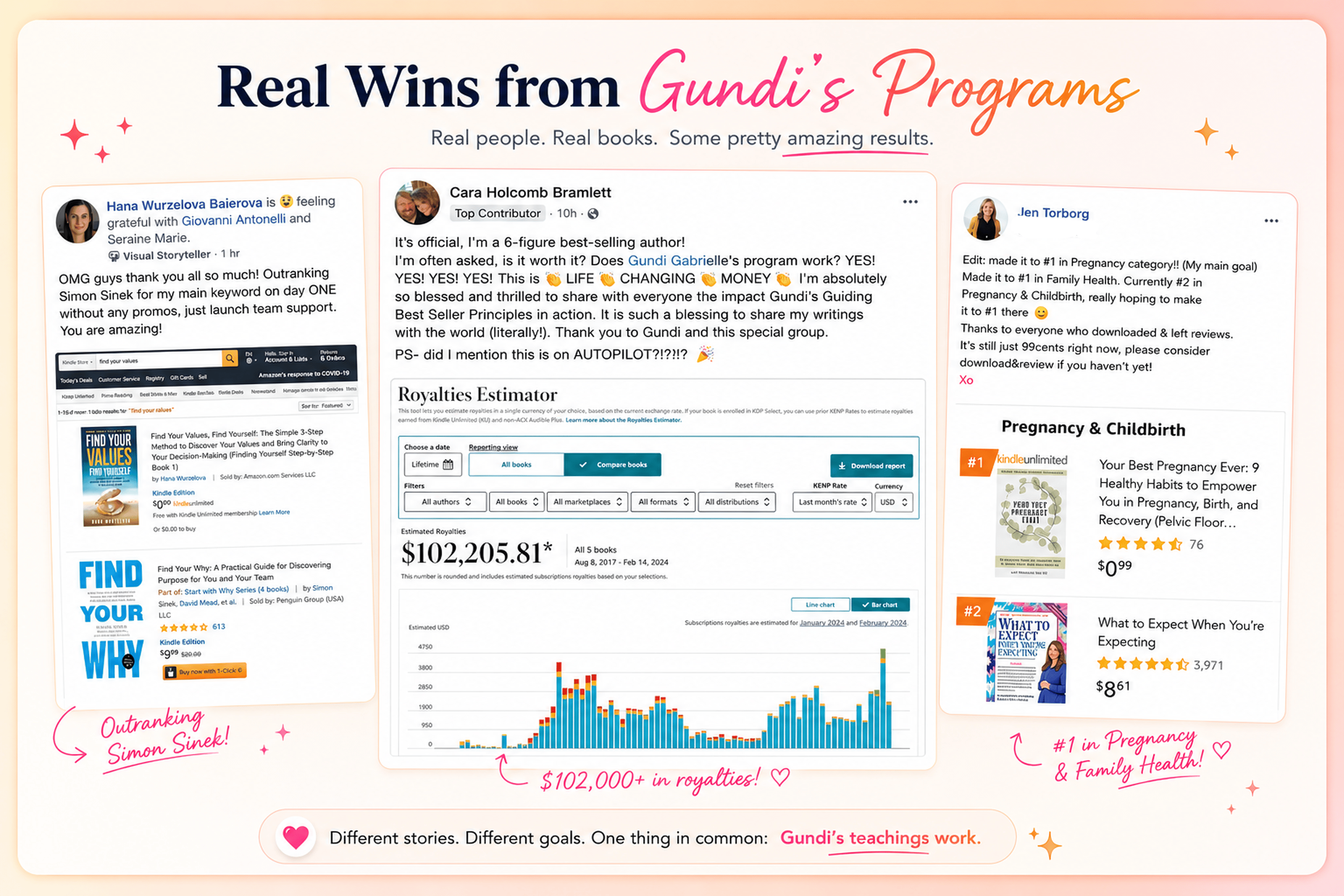
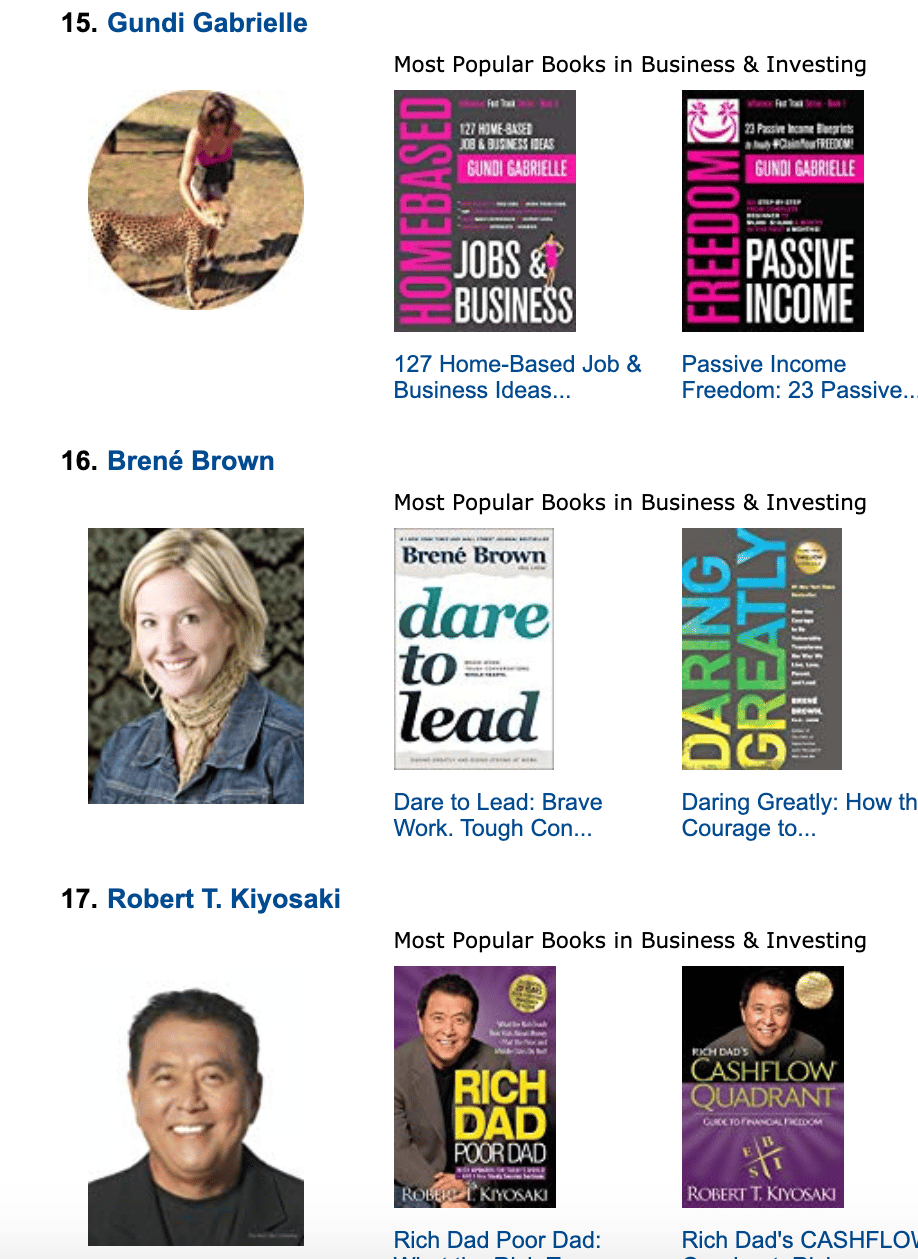
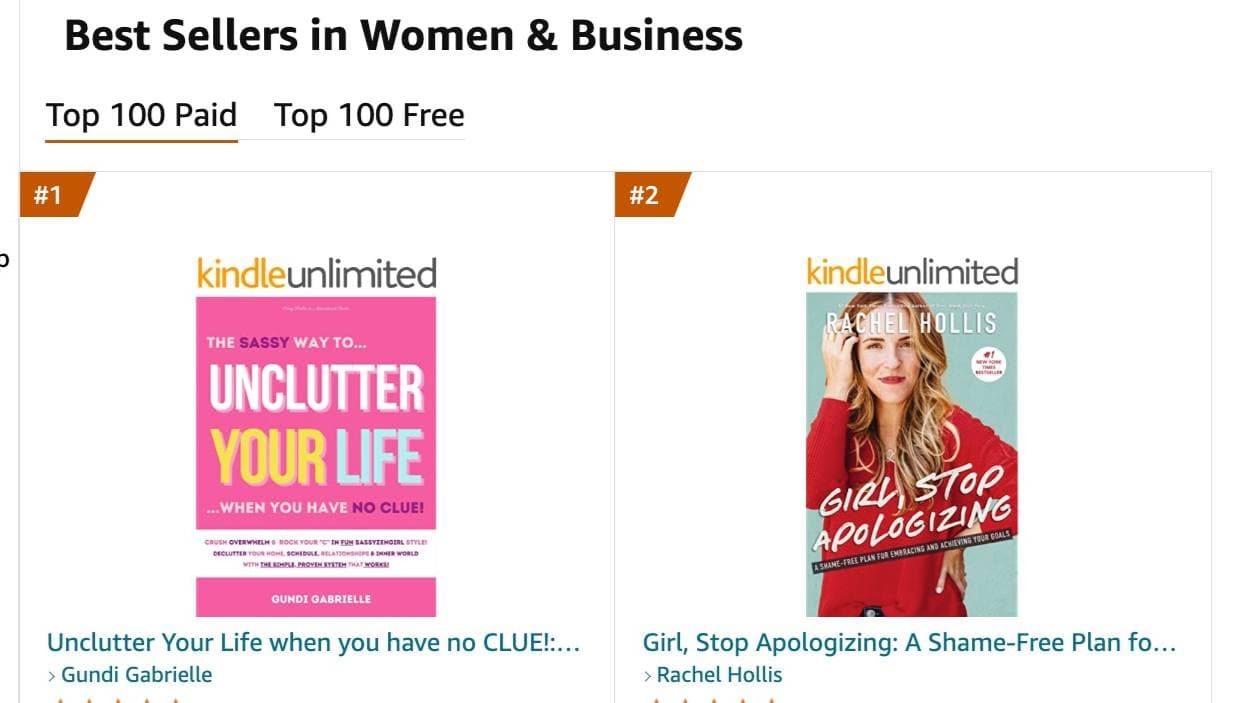
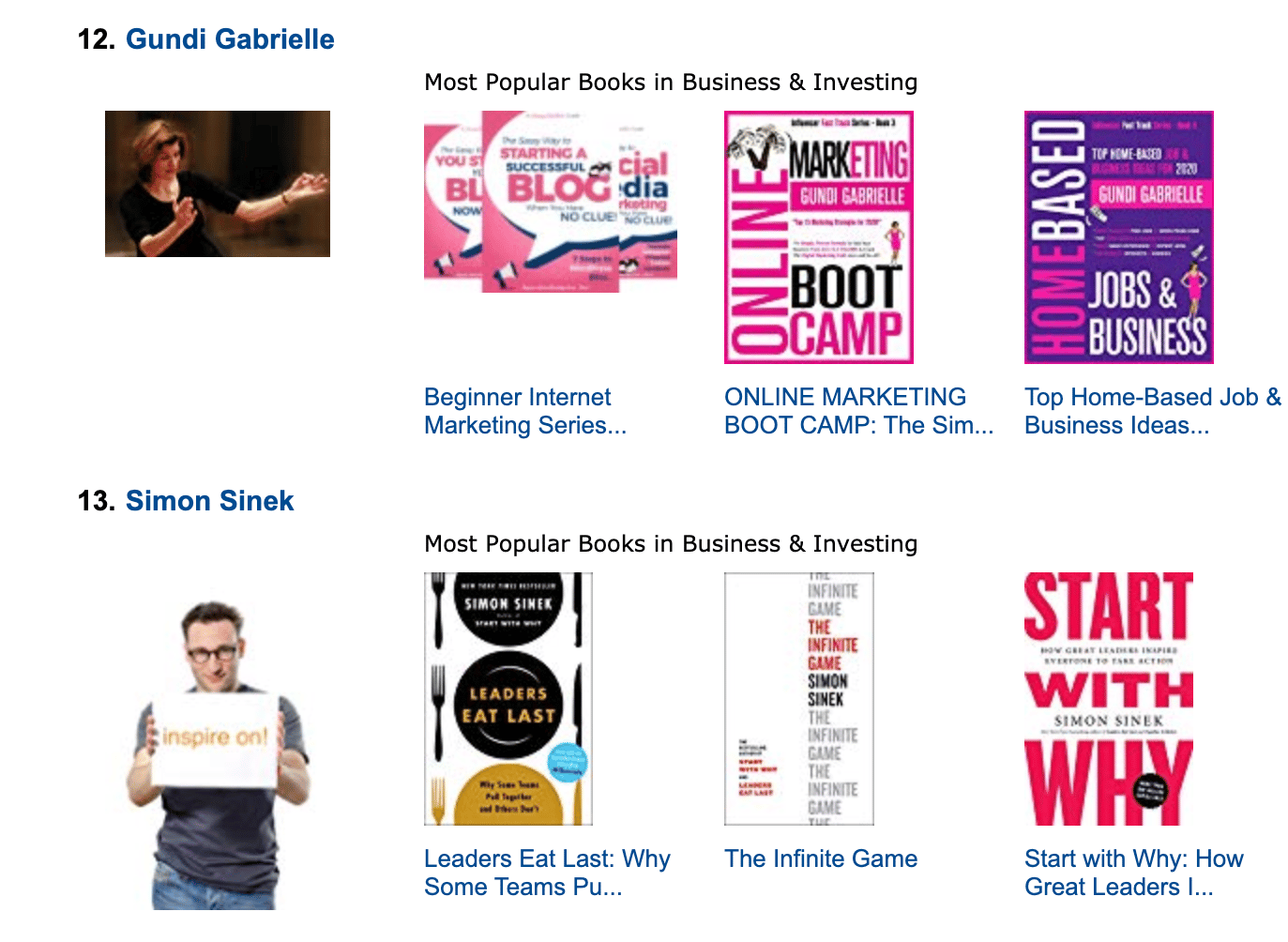
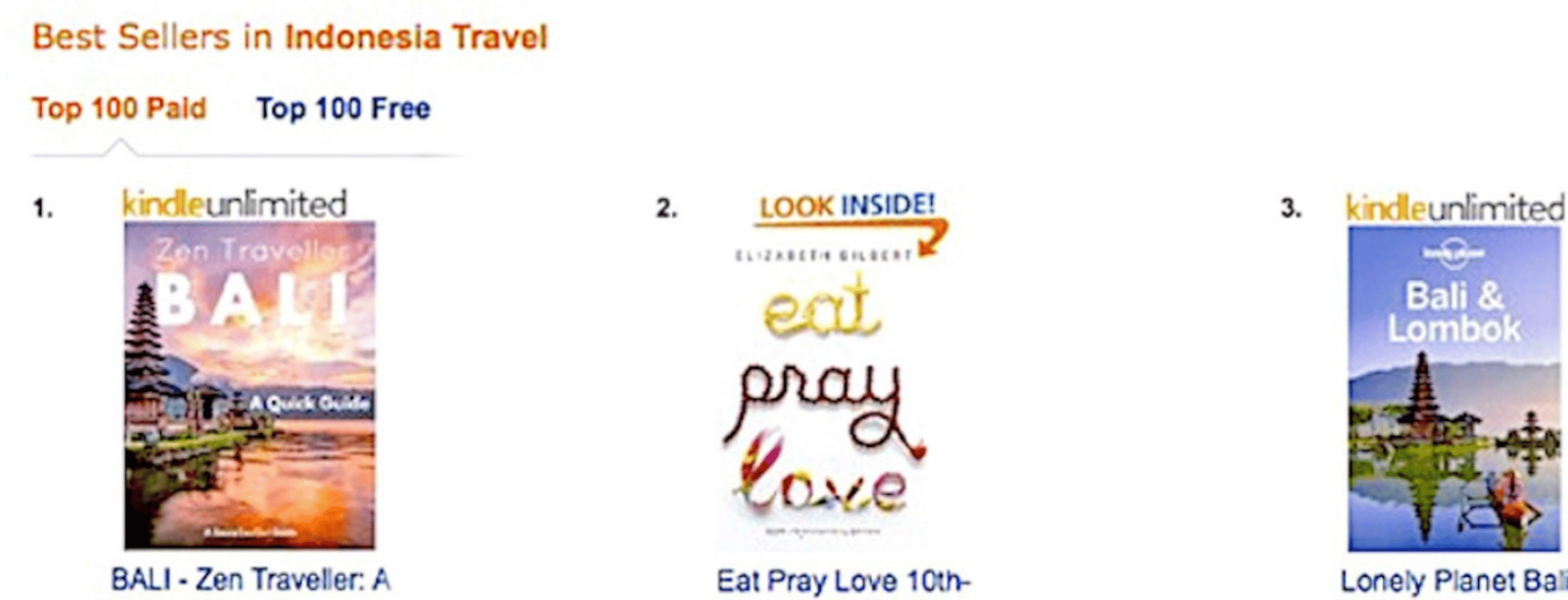
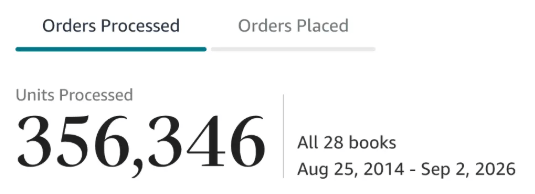
Along the way, I sold over 350,000 books, and was listed in Amazon's Top 100 Business Author Charts, ahead of authors like Simon Sinek, Brené Brown, Tim Ferriss, Robert Kiyosaki, or Brian Tracy.
No traditional publisher. No massive budget. Just understanding Amazon's algorithm and researching what readers actually want.
In my earlier years, I was a classical conductor & organist, touring the world, incl. Carnegie Hall & a performance for the Pope on St. Peter's Square.
These days, I love traveling as a Digital Nomad and orchestrating busy AI Agents 😎. Out of that came Golden Bestseller Empire — a complete AI-Powered Book Publishing Studio now helping authors around the world.
Can't wait to see you inside & help you publish your dream:
Featured In:

More from the Golden Bestseller Blog
AI Book Publishing
AI in Book Publishing: What Authors Need to Know Before They Publish
AI in book publishing is legal, allowed on Amazon KDP, and works best when AI assists and you write. Here is what the rules say and how Amazon's new algorithm fits in.
AI Book Publishing
Can You Publish AI Books on Amazon KDP? What You Must Disclose
Yes, you can publish AI books on Amazon KDP if you follow the rules. Here's the difference between AI-generated and AI-assisted work, and exactly what to disclose.
AI Book Publishing
AI Detectors: What's Actually Sourced
Pangram claims a tiny false-positive rate, and Epoch AI's independent test found misses on imitation. Here's what each source measured, and what it means for authors.
Want a faster way to plan and price your next book?
Golden Bestseller Empire's AI publishing tools help with exactly this kind of decision.