
AI in Book Publishing: What Authors Need to Know Before They Publish
AI in book publishing is legal, allowed on Amazon KDP, and works best when AI assists and you write. Here is what the rules say and how Amazon's new algorithm fits in.
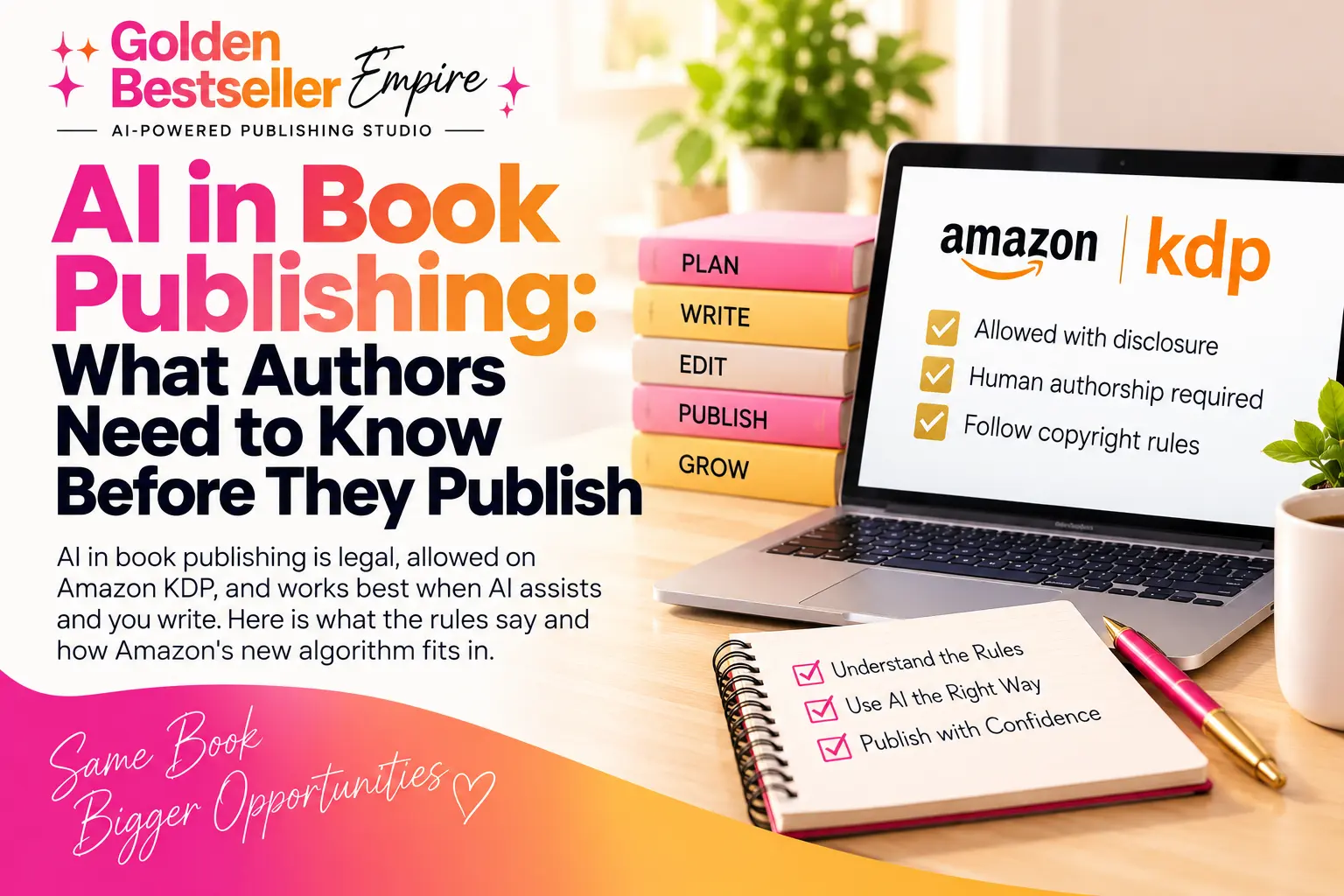
On Amazon KDP
Allowed, with disclosure of AI-generated text, images, or translations
Copyright
Protection needs human authorship; prompts alone were not enough
Best Use
AI assists your planning and editing; the ideas and voice stay yours

By Gundi Gabrielle
11 min read
Alrighty, let's talk about AI in book publishing, because I get more questions about it right now than about anything else.
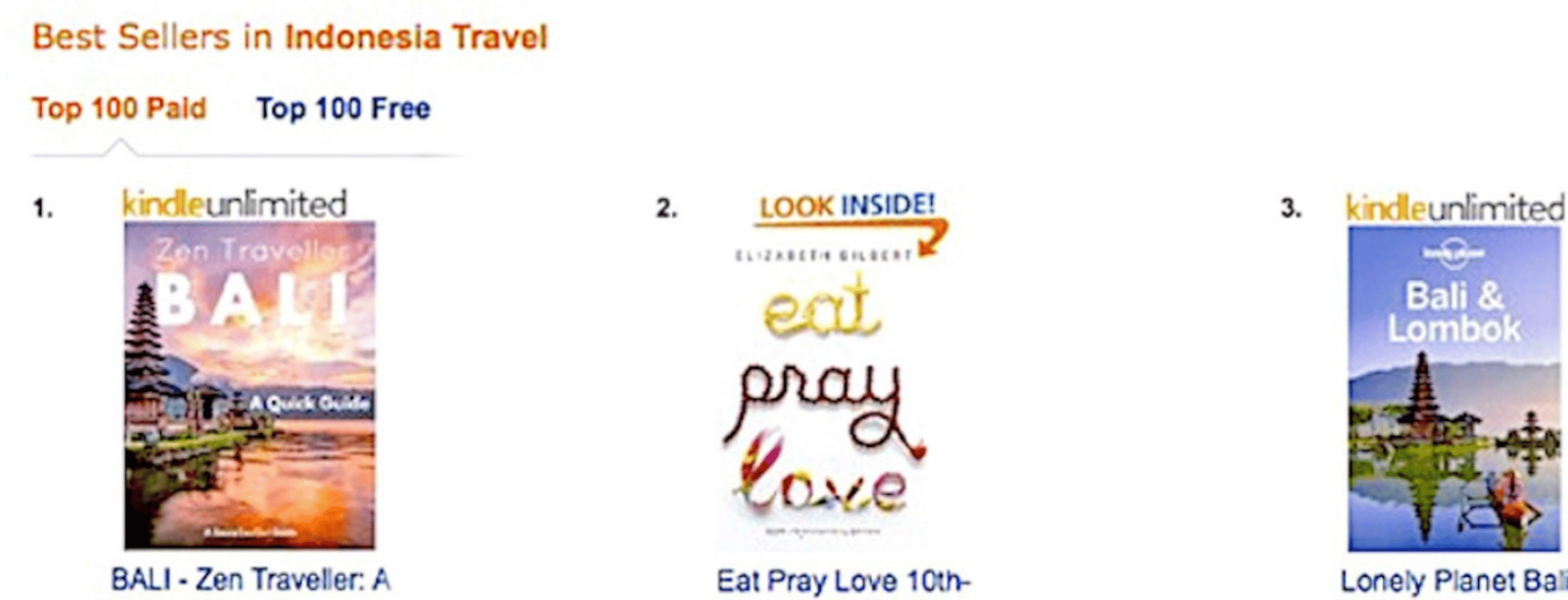
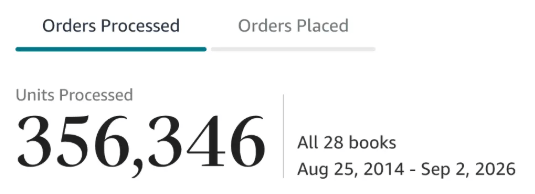
The short version: yes, you can use AI in book publishing, Amazon KDP allows it with one clear disclosure rule, and the best results come when AI assists and you do the writing. I've been self-publishing for over 10 years and have sold more than 350,000 books, so I've watched a lot of tools come and go.
This guide covers how AI is used in book publishing today, what is legal, what Amazon expects, what traditional publishers are worried about, and how Amazon's newer algorithm changes what a book needs to be found. Every rule below is tied to an official source so you can check it yourself.
How is AI used in book publishing today?
Short answer: Authors use AI in book publishing for planning, research, editing, formatting help, covers, audiobooks, and translations. The tool does a task, and you decide what stays.
Here are the most common ways AI and book publishing meet right now:
- Planning: brainstorming topics, testing a book idea, and shaping an outline.
- Research: finding gaps in a chapter and checking what readers in your category already have.
- Editing: catching typos, tightening your own sentences, and spotting repeated points.
- Publishing tasks: drafting a book description, picking keywords, and preparing upload files.
- Extra formats: audiobook narration and translations into other languages.
Notice what's missing from that list: your expertise. AI can't have your experience. That part is yours, and it's the reason readers buy your book in the first place.
👑 Want AI help with every step, but your words in the book? Golden Bestseller Empire is built for exactly that. → See how it works
Is it legal to publish a book made with AI?
Short answer: Publishing a book made with AI is not illegal, but copyright protection works differently for AI output than for your own writing.
The U.S. Copyright Office looked at this in its report Copyright and Artificial Intelligence, Part 2: Copyrightability. Its main points:
- Material is protected only where a human author determined enough of the expressive elements. Typing a prompt alone was not enough, because the Office found prompts don't give the user enough control over the result.
- Using AI to assist your creative process does not stop your work from being protected.
- A human can still be the author through creative selection, arrangement, or changes to AI output.
In plain English: the more of the book that comes from you, the stronger your position. If a tool created the words and you only pressed a button, you may have little or nothing to protect. This is general information, not legal advice, so check with a lawyer if a book is a major business asset.
Can you self-publish a book made with AI on Amazon KDP?
Short answer: Yes. KDP allows AI in book publishing if you tell Amazon when AI generated your text, images, or translations.
Amazon's Content Guidelines split AI use into two groups. AI-generated content is created by an AI tool, even if you edited it heavily afterward, and you must disclose it when you publish or republish. AI-assisted content is content you created yourself, using AI to edit, refine, error-check, or brainstorm, and you don't have to disclose it.
You answer the question separately for texts, images, and translations while setting up your book. I walk through the exact screen and a decision table in Can You Publish AI Books on Amazon KDP?, so I won't repeat all of it here.
Disclosure doesn't make a book compliant on its own. You're still responsible for following every content guideline, including intellectual property rights, and for the quality of the reading experience.
👑 Want to stay on the AI-assisted side of that line? Golden Bestseller Empire helps you write, not generate, your book. → See the difference
Will traditional publishers accept books written with AI?
Short answer: It depends on the publisher, and policies are changing, so read each publisher's submission guidelines before you send anything.
I'm not going to guess at a blanket rule, because there isn't one. What I can point to is how worried the industry is. At the Frankfurt Book Fair opening, press reports said 120 publishers backed the Frankfurt Appeal, a request that AI companies disclose their training data and respect copyright. I broke down what it asks for, and what it doesn't change for you, in the Frankfurt Appeal explained.
That appeal is about how AI companies train on books. It's separate from the rules for authors using AI tools. Still, it tells you the industry is paying close attention, which is one more reason to keep your own voice and your own ideas at the center of your book.
How does Amazon's new algorithm change AI in book publishing?
Short answer: Amazon's newer discovery systems look at relationships beyond keywords, such as who a book is for and what it helps them do. A book that spells those relationships out in its description and content is easier for Amazon to understand.
Amazon's researchers describe a system called COSMO that learns what products are used for, and who they're for, from how customers search and buy. I explain what's published and what's still unknown in Is Your Amazon Book Page Ready for AI Shopping?. The short version is that matching a keyword is no longer the whole game, and most authors are still publishing as if it were.
This is where AI in book publishing gets genuinely useful, and where I built Golden Bestseller Empire differently from other apps. It starts with your Book Planner blueprint, which captures who your reader is, their biggest gap, the transformation they want, and why your book is different. AI then converts that blueprint into algorithm-ready outlines and a knowledge graph for your book. That knowledge graph is used to build:
- your optimized book description,
- your A+ content,
- your backend keywords,
- your translations, so each language version carries the same relationships,
- and your Amazon ads keywords.
So the same planning work feeds your whole Amazon presence, instead of being guessed again at every step. I don't know of another app that does this.
What's the difference between AI-assisted writing and AI book generators?
Short answer: Many AI book apps generate the whole manuscript for you, which KDP calls AI-generated content. Golden Bestseller Empire is built for AI-assisted writing: you write the book, and AI helps with everything around it.
Used as an assistant, AI for book publishing saves time on the parts that stall most authors: choosing a topic, planning the book, and handling the publishing steps. The biggest fear I hear from new authors is spending months on the wrong book, and research tools help you test an idea before you write a word.
This is the line KDP itself draws, and it's the reason I built AI book publishing the way I did. I don't like the idea of selling a book that AI wrote while the author just puts a name on it. My authors want to feel proud of what they publish. So think of the writing studio like Microsoft Word: it's where you write and format, not where AI produces the writing for you.
Here's what Golden Bestseller Empire covers around your writing:
- Research and validation: it looks at what readers say is missing in top-selling Amazon books, including the negative reviews, and at negative comments and trending topics on Reddit. It also checks whether people will actually pay for the topic, such as through courses, paid communities, and newsletters, before you commit.
- Planning: a guided Book Planner asks why your book is different, what your authority is, who the reader is, their biggest concern and gap, the objections they have, the transformation they want, and what the book should lead to in your business. Then it converts your answers into an algorithm-ready outline and your book's knowledge graph, and builds your chapter plans, including each chapter's goal, hook, and action step, and prompts for every sub-header.
- Writing: a writing studio where you write the book yourself or dictate it, with a writing coach you connect through your own AI account, plus a section editor, a proofreader, and a page preview.
- Publishing: your book description, A+ content, backend keywords, and Amazon categories, built from your knowledge graph, plus walkthroughs for uploading and pricing, and export to paperback, ebook, and hardcover formats.
- Launch and beyond: Amazon ads keywords built from that same graph, a campaign strategy, audiobooks, and translations of your book and your Amazon page, which carry the same knowledge graph into each language.
- A full publishing course: my 10+ years of experience as a Top 100 Amazon business author, taught step by step, with a course coach that answers questions as you go and a community inside the app.
One honest note: if you use the audiobook or translation tools, those are AI-created, so answer KDP's AI question about translations accordingly. The rule is the same for any tool you use: tell Amazon what AI created.
👑 Want help with every step, but your own words in the book? Golden Bestseller Empire is AI-assisted, not AI-generated. → See how it works
What can AI not do for your book?
Short answer: AI can't give you lived experience, your voice, or a finished manuscript you can trust without checking.
I'm a big fan of AI book publishing, and I'm just as clear about where I draw the line: AI is amazing, and I just don't like having it write my books. Here's what stays with you:
- Your story and expertise. The examples only you have are what make a nonfiction book worth reading.
- Your voice. Readers can tell when a book sounds like a stranger.
- Fact-checking. AI tools can sound certain and be wrong, so check every name, date, and quote.
- The final decision. You choose what goes in, what comes out, and what you put your name on.
What are the risks of AI in book publishing?
Short answer: The main risks are disclosure mistakes, unchecked facts, weak copyright protection, and publishing too fast.
| Risk | What goes wrong | What to do |
|---|---|---|
| Disclosure | You skip a Yes for AI-generated text, images, or translations | Answer KDP's question honestly for each one |
| Accuracy | An AI tool states a wrong fact with confidence | Check every fact, name, and quote at the source |
| Copyright | Mostly AI-made material may not be protected | Keep your own writing and creative choices at the center |
| Speed | Bulk publishing can hit KDP limits and hurt quality | Slow down, edit, and preview the actual file |
Speed deserves a second look. KDP now limits new title creation to 2 per format per week, and quality problems like typos and formatting errors can get a book removed from sale. I explain the limit in KDP's 2-titles-per-week limit.
How do you start with AI in book publishing?
Short answer: Start small: pick one book idea, use AI to plan and polish it, keep the writing yours, and keep a log of what the tool did.
- Choose one idea and test it before you write.
- Plan with AI, then rewrite the plan in your own words.
- Write the book yourself, using AI for edits and checks.
- Keep a simple record of where you used AI: text, images, and translations.
- Answer KDP's AI question honestly when you publish.
- Preview the exact upload file before you click Publish.
New to the platform itself? Start with what is Amazon KDP, then see how to publish on KDP. Rules and royalties also change, and I track them in the latest Amazon KDP updates, including the KDP 70% royalty change and KDP 18-month pre-orders.
👑 Ready to start with a plan Amazon can actually read? The Book Planner in Golden Bestseller Empire builds it with you. → Start with the Book Planner
Is AI book publishing worth it for a first-time author?
Short answer: Yes, when AI makes the process easier but the book is still unmistakably yours.
The authors who do well treat AI in book publishing like a smart assistant, not a ghostwriter. They bring the expertise, the stories, and the opinions, and they let the tools help with the planning, polishing, and publishing around it.
I just used Golden Bestseller Empire to write and publish the first book in my new Blissful Kittens Explain series, AI for Beginners. I found the process much faster and easier, and the book hit #1 within 3 days of publishing, so it definitely works.
Where AI and book publishing go from here
AI in book publishing will keep changing, and I'll keep updating this guide as the rules do. The principle that has held up so far is simple: be honest about what AI did, check your facts, and keep your voice in the driver's seat.
If you'd like help with the whole process, from your first idea to your finished listing, with the writing staying yours, Golden Bestseller Empire is there whenever you're ready. No pressure. That's AI in book publishing done the way I'd want it done for my own books.
Frequently Asked Questions
Is it illegal to publish a book written by AI?
No. Publishing a book made with AI is not illegal. Copyright protection is the issue: the U.S. Copyright Office says material is protected only where a human author determined enough of the expressive elements, and prompts alone were not enough.
Can I self-publish a book written by AI on Amazon KDP?
Yes. KDP allows it if you disclose AI-generated text, images, or translations. AI-assisted work, where you created the content and used AI to edit or brainstorm, does not need to be disclosed.
Will publishers accept books written by AI?
It varies by publisher and is changing quickly. Read each publisher's submission guidelines before you submit, and keep your own writing at the center of the book.
How is AI used in book publishing today?
Authors use AI in book publishing to plan, research, edit, prepare publishing details, and create audiobook and translated versions, while they write the book and make the final choices.
What is the difference between AI-generated and AI-assisted?
AI-generated means a tool created the content, even if you edited it afterward. AI-assisted means you created it and used AI to help you edit, refine, or brainstorm.
How does Amazon's new algorithm affect AI book publishing?
Amazon's newer discovery systems look at relationships beyond keywords, such as who a book is for and what it helps them do. Golden Bestseller Empire converts your Book Planner blueprint into algorithm-ready outlines and a knowledge graph, which is then used for your book description, A+ content, backend keywords, translations, and Amazon ads keywords.
Sources & Citations
- KDP Help: Content Guidelines (AI-generated vs. AI-assisted content)
- KDP Help: Guide to Kindle Content Quality
- KDP Help: Create a Book (weekly title limits)
- U.S. Copyright Office: Copyright and Artificial Intelligence, Part 2: Copyrightability
- Börsenverein des Deutschen Buchhandels: Frankfurter Appell
- Living changelog: Amazon KDP & Related Marketplace Changes
This page is maintained independently and is not affiliated with Amazon. Always double-check the latest numbers inside your own KDP account before making pricing decisions.
Found this useful? Get more of this site in your Google.
One tap adds us as a preferred source — Google then shows you our posts more often in Search, Top Stories, and AI Overviews.
Created By

Top 100 Business Author · Carnegie Hall Conductor · Founder of Golden Bestseller Empire
Hey, I'm Gundi, and for over a decade, I've helped thousands of everyday people turn what they know into a bestselling book.
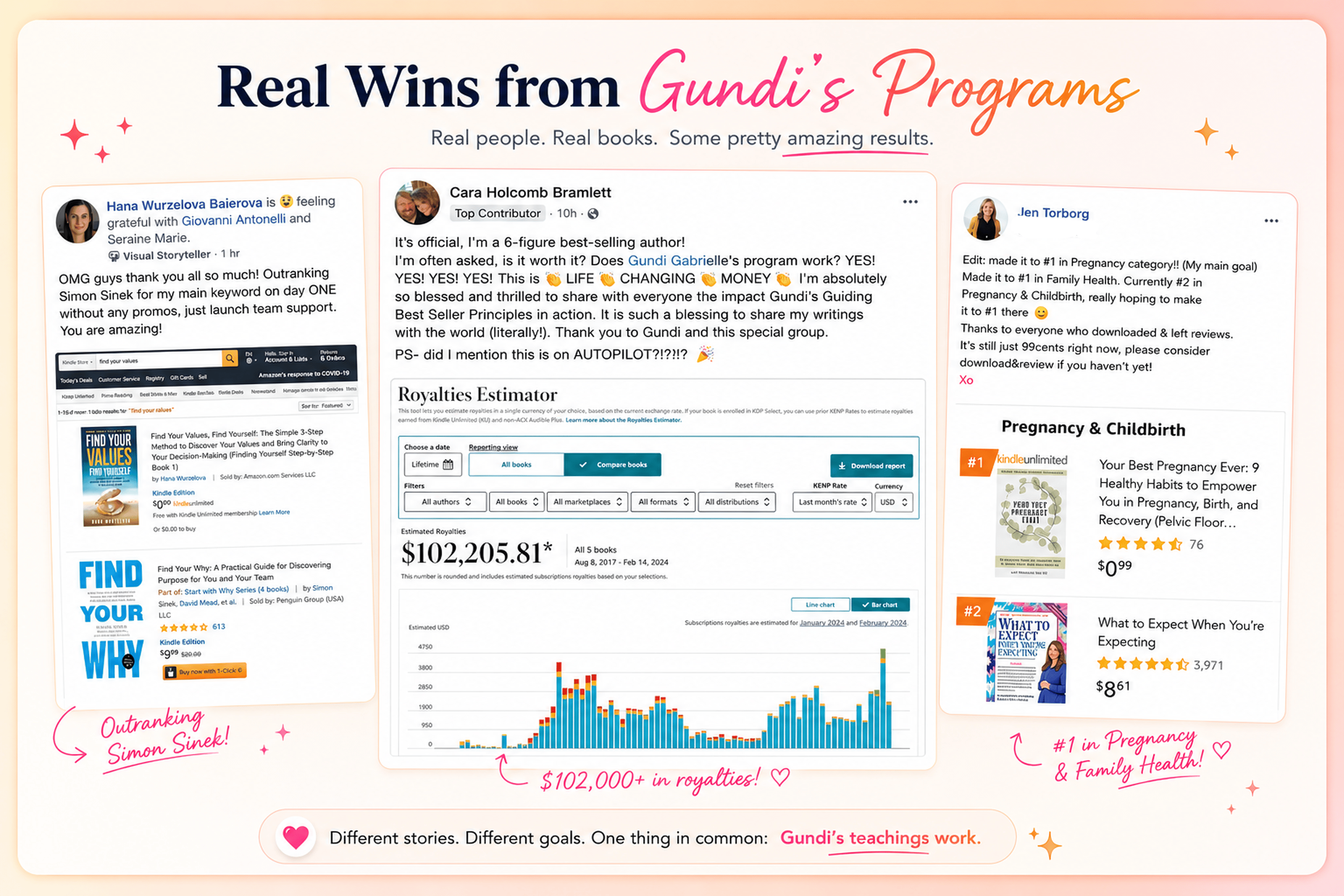
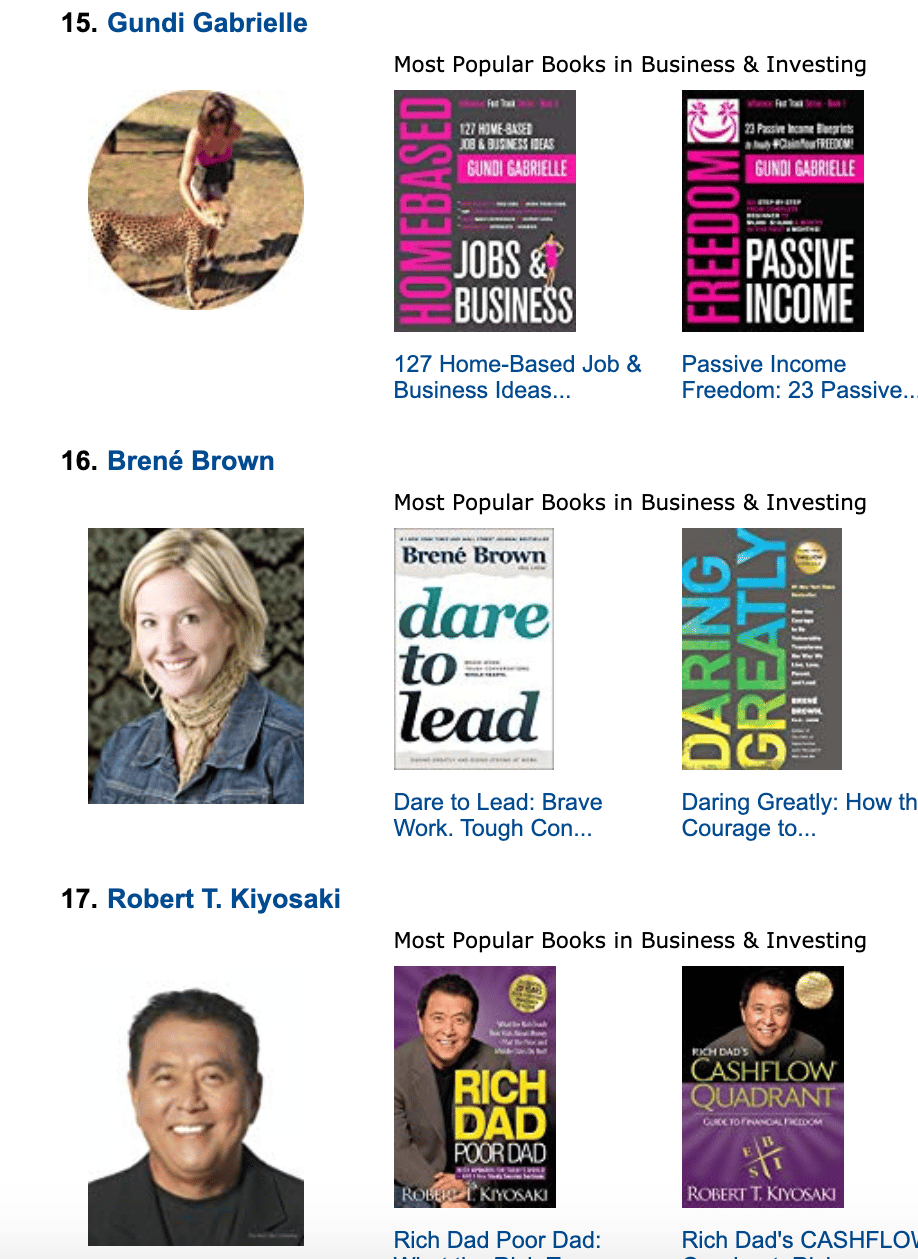
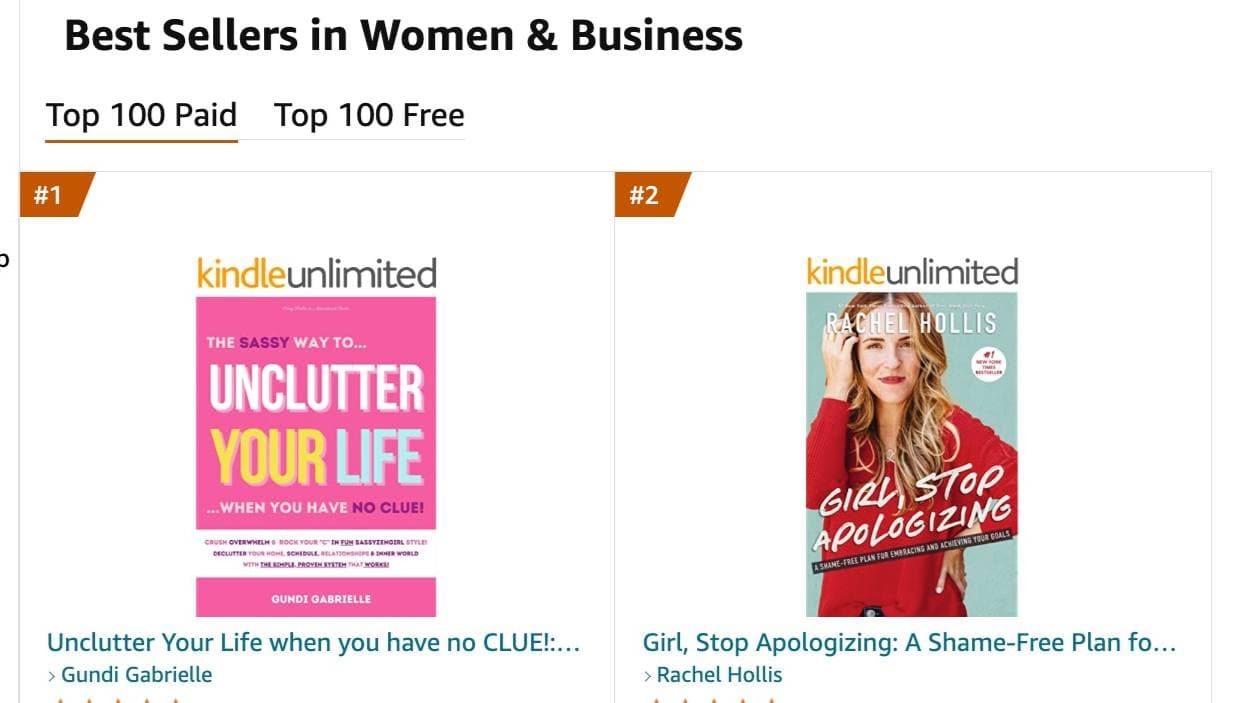
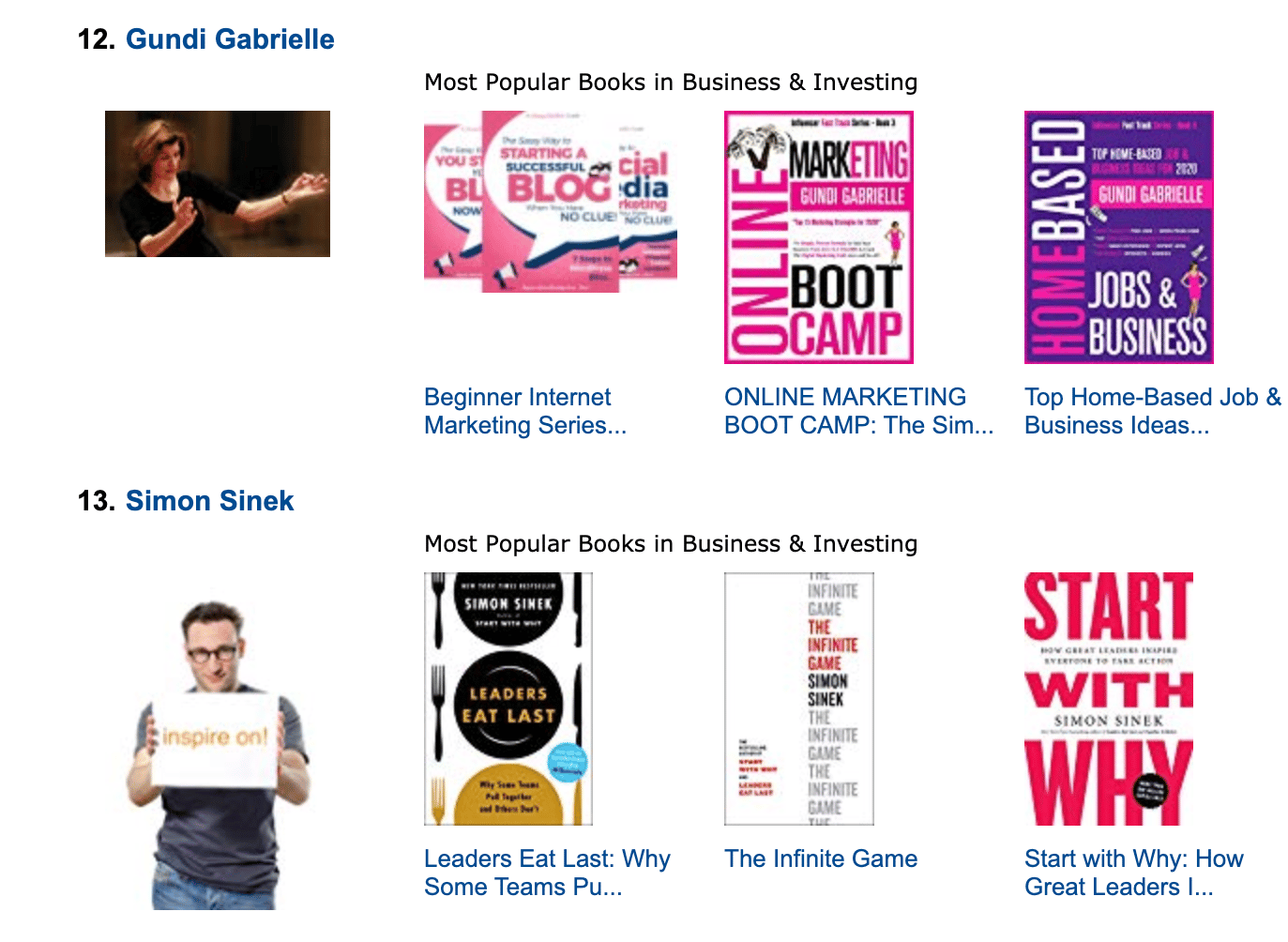
Along the way, I sold over 350,000 books, and was listed in Amazon's Top 100 Business Author Charts, ahead of authors like Simon Sinek, Brené Brown, Tim Ferriss, Robert Kiyosaki, or Brian Tracy.
No traditional publisher. No massive budget. Just understanding Amazon's algorithm and researching what readers actually want.
In my earlier years, I was a classical conductor & organist, touring the world, incl. Carnegie Hall & a performance for the Pope on St. Peter's Square.
These days, I love traveling as a Digital Nomad and orchestrating busy AI Agents 😎. Out of that came Golden Bestseller Empire — a complete AI-Powered Book Publishing Studio now helping authors around the world.
Can't wait to see you inside & help you publish your dream:
Featured In:

More from the Golden Bestseller Blog
AI Book Publishing
Can You Publish AI Books on Amazon KDP? What You Must Disclose
Yes, you can publish AI books on Amazon KDP if you follow the rules. Here's the difference between AI-generated and AI-assisted work, and exactly what to disclose.
AI Book Publishing
The Frankfurt Appeal: What Publishers Want on AI Training, and What It Means for Indie Authors
German publishers opened the Frankfurt Book Fair with an appeal on AI training data. Here's what they're asking for and what it means for indie authors.
AI Book Publishing
AI Detectors: What's Actually Sourced
Pangram claims a tiny false-positive rate, and Epoch AI's independent test found misses on imitation. Here's what each source measured, and what it means for authors.
Want a faster way to plan and price your next book?
Golden Bestseller Empire's AI publishing tools help with exactly this kind of decision.