How to Get Your Self-Published Book Into Bookstores (And Whether You Should)
To get your self-published book into bookstores, you need a wholesaler bookstores already buy from (like IngramSpark), a 55% discount and returnable copies, and then you pitch each store yourself. Even then, big chains rarely stock self-published books, so for most authors the smart move is local indie bookstores, while most of your sales happen online.
Bookstore Discount
About 55% off the cover price
Returns
Unsold copies go back, at your cost
Best Bet
Local indie bookstores

By Gundi Gabrielle
10 min read
Yes, a self-published book can be sold in bookstores, but it doesn't happen by itself.
Alrighty, let's talk about the dream almost every new author has: walking into a bookstore and seeing your own book on the shelf :)
It's a lovely picture, and I get it. So in this guide I'll show you exactly how bookstores buy books, what it takes to get a self-published book in there, the one kind of bookstore that actually says yes, and my honest take on whether it's worth your time at all.
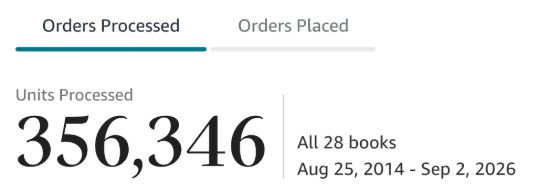
I've self-published for over 10 years and sold more than 350,000 books. Almost all of them sold online, and that's not an accident. You'll see why in a minute.
Ready? Let's rock it!
Can you get a self-published book into bookstores?
Yes, a self-published book can be sold in bookstores, but it doesn't happen by itself. Your book has to be available from a wholesaler bookstores already buy from, on the terms they expect, and then a store has to decide to order it. That last part is the hard one.
Here's the thing most guides skip: being available to bookstores is not the same as being on the shelf. Almost any self-published paperback can be made orderable by bookstores. Very few get stocked.
How do bookstores buy books?
Bookstores order books through wholesalers, mainly Ingram in the US, and they expect two things: a big discount and the right to return copies that don't sell. If your book doesn't offer both, most stores won't even consider it.
Here's how it works:
| What bookstores expect | |
|---|---|
| Where they order | A wholesaler, mainly Ingram in the US |
| Discount | About 55% off the cover price |
| Returns | Unsold copies go back, at the publisher's cost |
| First order | Usually one or two copies |
| Time on the shelf | A few months, then unsold copies go back |
That 55% is not greed. It's how a store pays rent, staff and the lights. A $15 book sold at 55% off means the store pays $6.75, and the printing cost still comes out of your part.
Returns are the scary part for self-published authors. If a store orders copies and they don't sell, the store sends them back, and you pay for them.
Does KDP get your book into bookstores?
KDP can make your paperback available to bookstores through Expanded Distribution, but that doesn't put it on their shelves. Expanded Distribution is free, and it lists your paperback with distributors in the US and UK, so bookstores and libraries can find and order it.
What KDP's own help page says about it:
- It's free, and only for paperbacks (not hardcovers).
- Your royalty is 40% of the list price, minus the printing cost. On Amazon itself you'd get 50% or 60%.
- It doesn't guarantee any store or library will order your book, and KDP can't tell you who bought it.
- You get paid about 90 days after the end of the month of the sale.
So Expanded Distribution is great for special orders: a reader walks into a store, asks for your book, and the store can order it. But stores rarely stock a book this way. Many bookstores also aren't keen on ordering books printed by Amazon, their biggest competitor.
KDP Expanded Distribution or IngramSpark for bookstores?
If bookstores really matter to you, IngramSpark is the better choice, because you can set the 55% discount and make your book returnable, the two things stores expect. KDP's Expanded Distribution is simpler and free, but it doesn't give you those settings.
| KDP Expanded Distribution | IngramSpark | |
|---|---|---|
| Cost to set up | Free | Free to set up your book |
| What you earn | 40% of list price, minus printing | Wholesale price, minus printing |
| Discount to stores | Not something you set | You choose, 40% to 55% in the US |
| Returnable copies | Not something you set | Your choice; you pay for returns |
| Realistic for bookstore shelves | Rarely | Possible, if you pitch the stores |
IngramSpark says it plainly in their own guide: a book that isn't returnable "effectively" cuts off bookstores, and even with the right settings there is "no guarantee" any store will carry it.
Many authors do both: KDP for Amazon, IngramSpark for everything else. If you go that route, use IngramSpark instead of Expanded Distribution for that paperback, not both, so the two don't compete for the same stores.
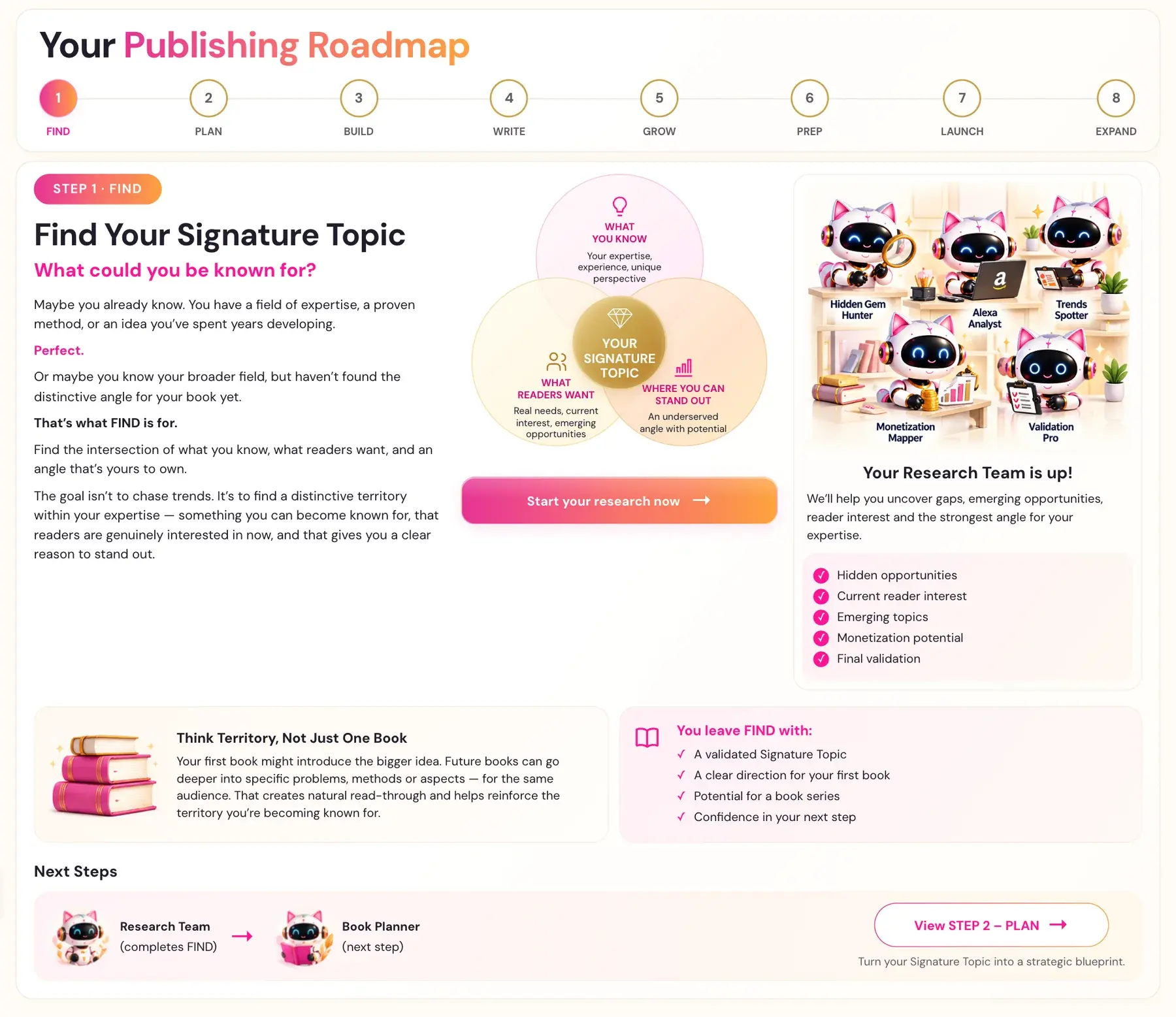
👑 A great book page starts with a topic readers already want. Golden Bestseller Empire's 5 Research AI Generators help you find your Signature Topic: where what you know meets what readers in your niche actually want. → Find your Signature Topic
Why don't big bookstore chains stock self-published books?
Big chains like Barnes & Noble buy most of their books through publishers' sales teams, and a few copies of an unknown book on a shelf rarely sell. Stores only have room for books they're sure will move, and over a million new books come out every year.
Think about it from the store's side. A publisher's sales rep walks in with the season's books, the marketing plan and the author's tour dates. A self-published author has none of that. Even when a chain takes a chance, it's usually one or two copies, spine-out on a shelf, gone back in a few months.
And honestly, nobody walks into a bookstore looking for a book by an author they've never heard of. Readers find new authors online: in Amazon's search, in recommendations, on social media, in AI answers. That's where your book gets found.
The good news: if your book is available through Ingram or Expanded Distribution, any reader can still special-order it at the Barnes & Noble counter.
How do you get your book into local indie bookstores?
Local indie bookstores are your best chance, because many love to support local authors, and some take books on consignment. Consignment means you bring the copies, the store shelves them, and you both get paid only when one sells.
Here's the plan that works:
- Make a list. Search for indie bookstores within 10 to 25 miles of where you live. Note the name, hours, phone number and, if you can find it, the name of the book buyer or manager.
- Visit first, as a customer. Look at the shelves. Do they carry books like yours? Buy something. Get to know them.
- Ask for the book buyer, and make an appointment. Most stores don't want a pitch at the busy register.
- Bring a one-page sheet: your cover, a two-line description, who the book is for, the price, how they can order it, and your local connection.
- Offer consignment. You bring a few copies, and you split each sale, often 60/40 or 50/50. Put it in a short written agreement.
- Offer an event. A book signing or a talk gives the store a reason to say yes, and brings people in the door.
- Do your part of the marketing. Tell your email list and your social followers that your book is in that store. The store sells the book. Getting people there is your job.
Libraries work the same way: many love books by local authors, and some take donated copies.
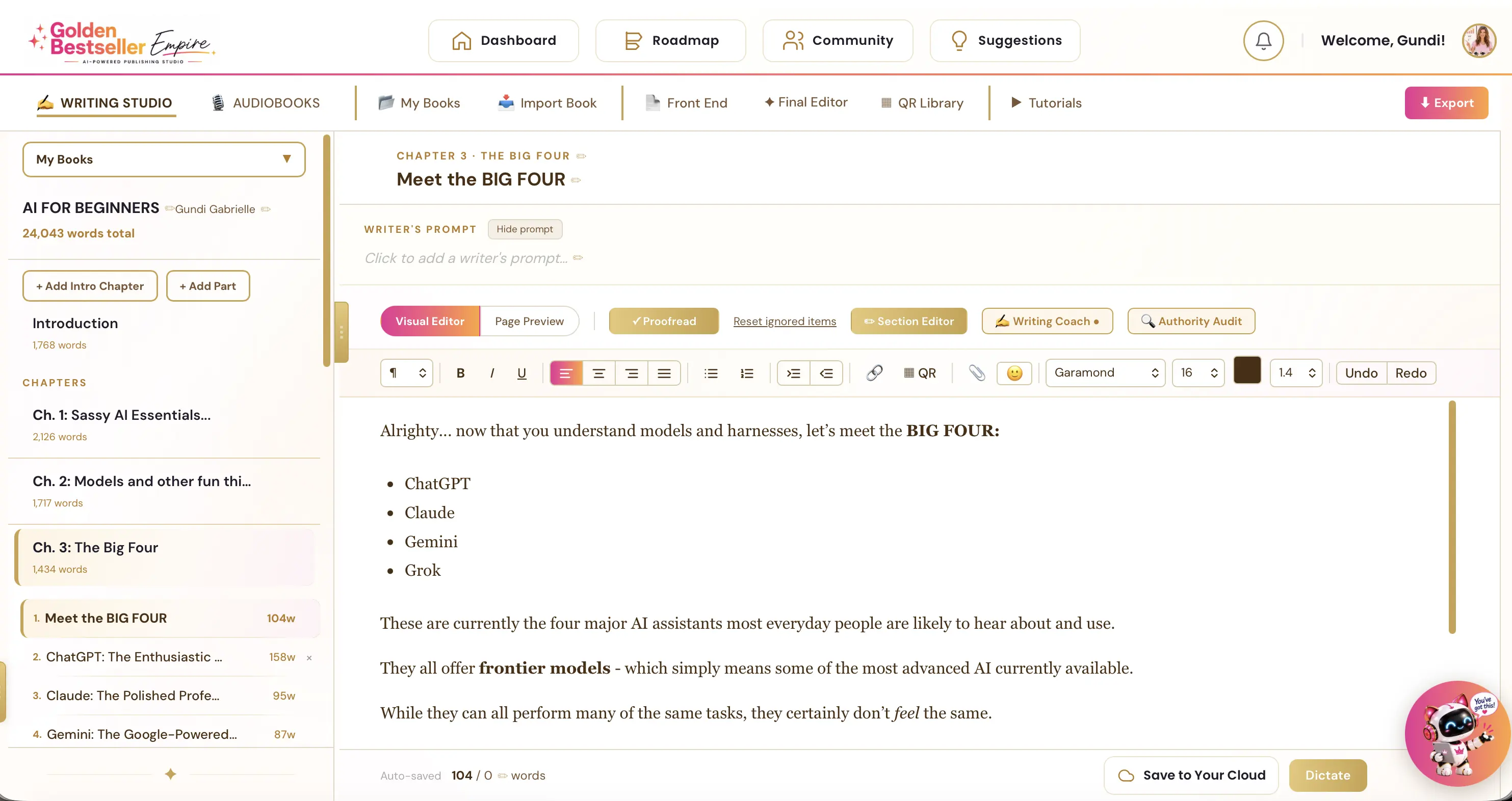
👑 Use AI the right way: it assists, you write. Golden Bestseller Empire's Writing & Formatting App helps you turn your own ideas into a finished book. An AI Writing Coach, editor and proofreader help along the way. Then it exports KDP-ready PDF and EPUB files. → See how it works
Is it worth getting your self-published book into bookstores?
For most self-published authors, no, not as a sales plan. Bookstores would only ever be a small slice of your sales, while the discounts and returns can make each copy cost you money. That world is really built for famous authors with big publishers.
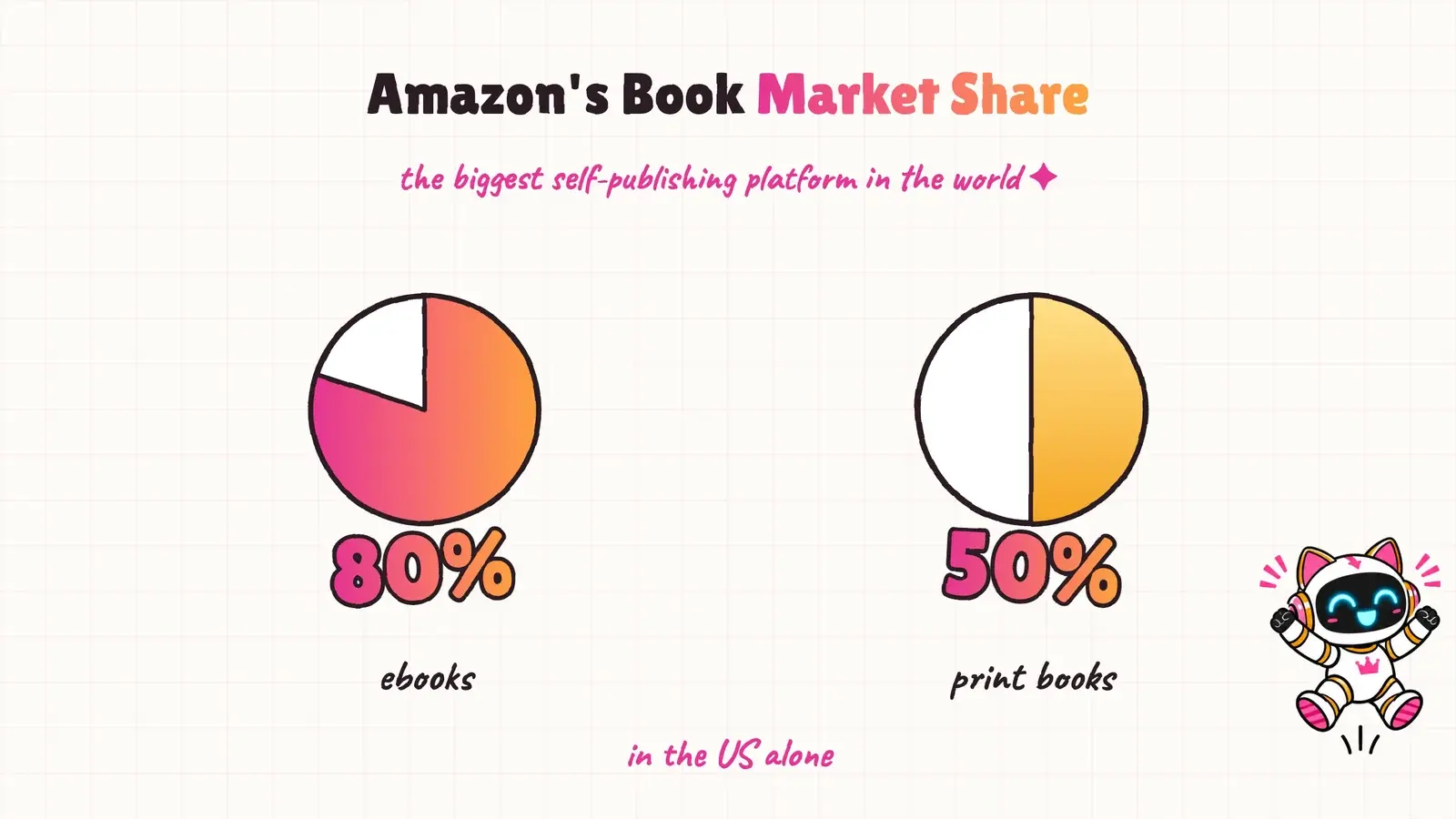
Here's why I've never chased it in 10 years. Industry estimates put Amazon at more than half of all print book sales in the US and around 80% of eBook sales. That's where your readers already are, and that's where a book with the right topic and a strong page gets found every single day.
Where bookstores are worth it: one or two local indie stores, a signing with friends and neighbors, the joy of seeing your book on a real shelf. Do that for the fun and the local buzz, and spend your real energy where your readers shop.
Want the bigger picture of where to publish and why? It's all in How to Self-Publish a Book, and if you're deciding whether to stay exclusive to Amazon, read What Is KDP Select?
👑 Want your book to become the preferred resource Amazon's AI recommends to potential readers? Golden Bestseller Empire is the only app that builds a Knowledge Graph for your book with one click, optimized for Amazon's new COSMO, straight from your Book Planner Blueprint. Then it uses that map to create your outline, chapter details, title, description, A+ Content, backend keywords and even your Amazon ads, 1-click optimization to Amazon's new AI while most authors are still guessing. → See how it works
In short: how to get your self-published book into bookstores
In short: bookstores order through wholesalers like Ingram, and they expect a 55% discount and returnable copies. KDP's Expanded Distribution makes your paperback available to order, but rarely stocked. IngramSpark lets you set the discount and returns stores want, but you still have to pitch each store, and you pay for returns. Big chains rarely stock self-published books, while local indie bookstores often welcome local authors, many on consignment. For most self-published authors, bookstores are a nice extra, and most sales happen online, mainly on Amazon.
What should you do now?
- Enroll your paperback in Expanded Distribution, so any reader can special-order it.
- Pick one or two local indie bookstores and visit them as a customer.
- Make your one-page sheet and ask for an appointment with the book buyer.
- Plan a small signing and invite your list.
- Put your real energy into your Amazon book page, where most of your readers are.
👑 Want your whole book page rebuilt for Amazon's new AI, without the guesswork? Golden Bestseller Empire's one-click generators build your entire book listing page. That's your title and subtitle, description, A+ Content and backend keywords, all optimized for Amazon's new COSMO. → Start optimizing yours
Happy publishing... and enjoy that first signing at your local bookstore :)
Our authors want to be proud to put their name on a book they wrote themselves. Golden Bestseller Empire prides itself in ethical AI publishing, not "AI faking" authorship.
GoldenBestseller.com
Frequently Asked Questions
Can you sell a self-published book in bookstores?
Yes, but it doesn't happen by itself. Your book has to be available from a wholesaler like Ingram, usually with a 55% discount and returnable copies, and then each store has to decide to order it.
Does KDP put my book in bookstores?
KDP's free Expanded Distribution makes your paperback available for bookstores and libraries to order in the US and UK. It doesn't guarantee any store will stock it, and it isn't available for hardcovers.
Is IngramSpark better than KDP for bookstores?
Yes, for bookstores. IngramSpark lets you set the 55% discount and returnable copies that stores expect. You still have to pitch the stores yourself, and you pay for returned copies.
Will Barnes & Noble carry my self-published book?
Rarely on the shelf, because chains buy mostly through publishers' sales teams. If your book is available through Ingram or KDP Expanded Distribution, readers can still special-order it at the store.
What is consignment at a bookstore?
You bring the copies, the store shelves them, and you both get paid only when one sells, often split 60/40 or 50/50. Many local indie bookstores work with local authors this way.
Is it worth getting a self-published book into bookstores?
As a sales plan, usually not: bookstores are a small slice of sales for most self-published authors. A local indie store and a signing are lovely extras, but most readers buy online, mainly on Amazon.
Sources & Citations
- KDP Help: Expanded Distribution
- KDP Help: Paperback Royalty
- IngramSpark: How to Sell Your Self-Published Book to Bookstores
- IngramSpark: Understanding Book Returns
This page is maintained independently and is not affiliated with Amazon. Always double-check the latest numbers inside your own KDP account before making pricing decisions.
Found this useful? Get more of this site in your Google.
One tap adds us as a preferred source — Google then shows you our posts more often in Search, Top Stories, and AI Overviews.
Created By

Top 100 Business Author · Carnegie Hall Conductor · Founder of Golden Bestseller Empire
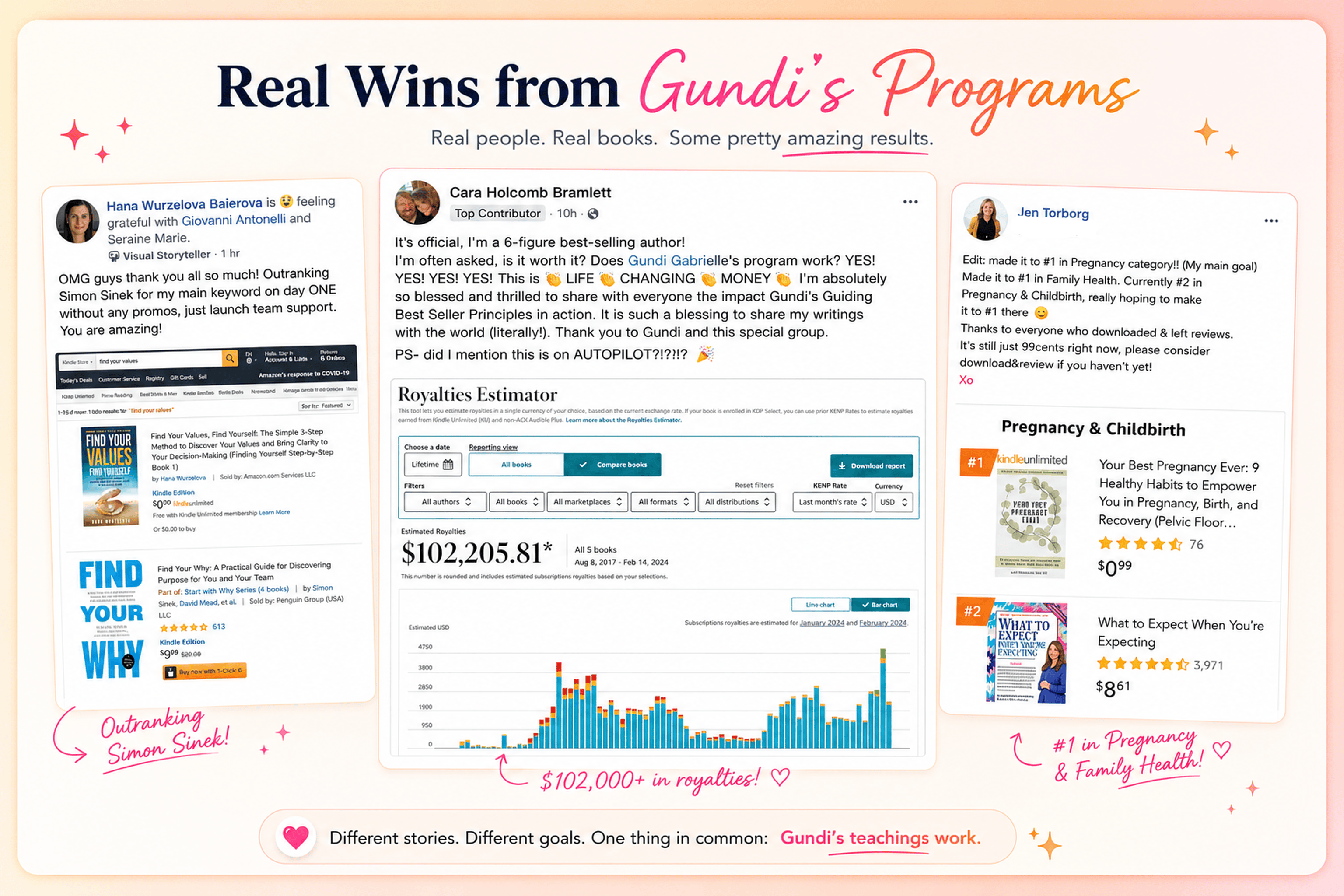
Hey, I'm Gundi, and for over a decade, I've helped thousands of everyday people turn what they know into a bestselling book.
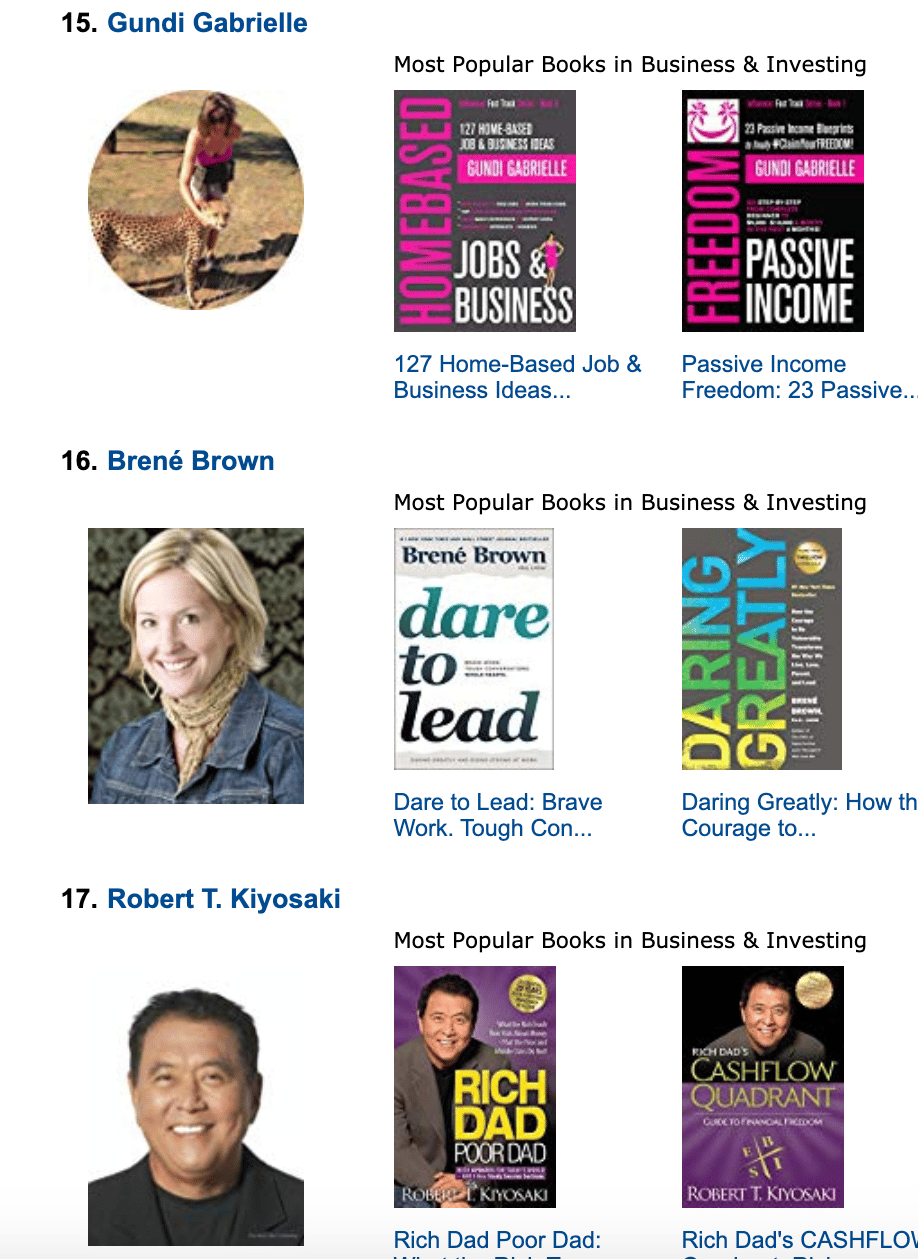
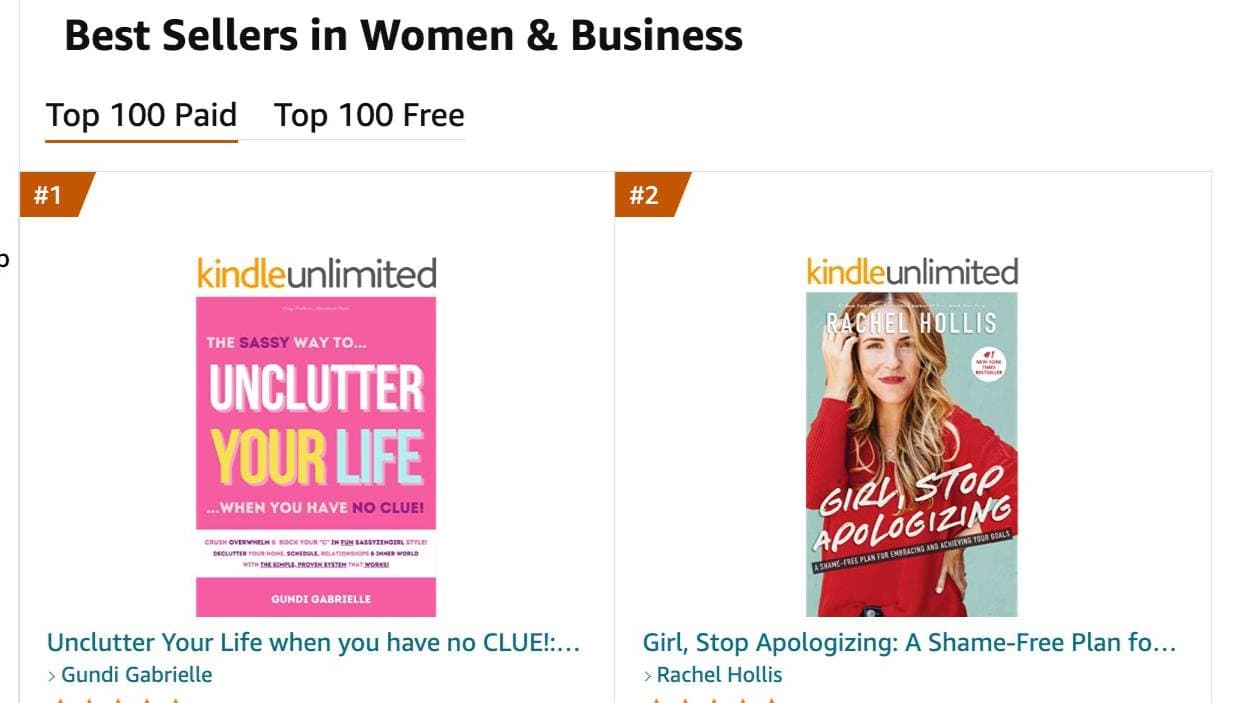
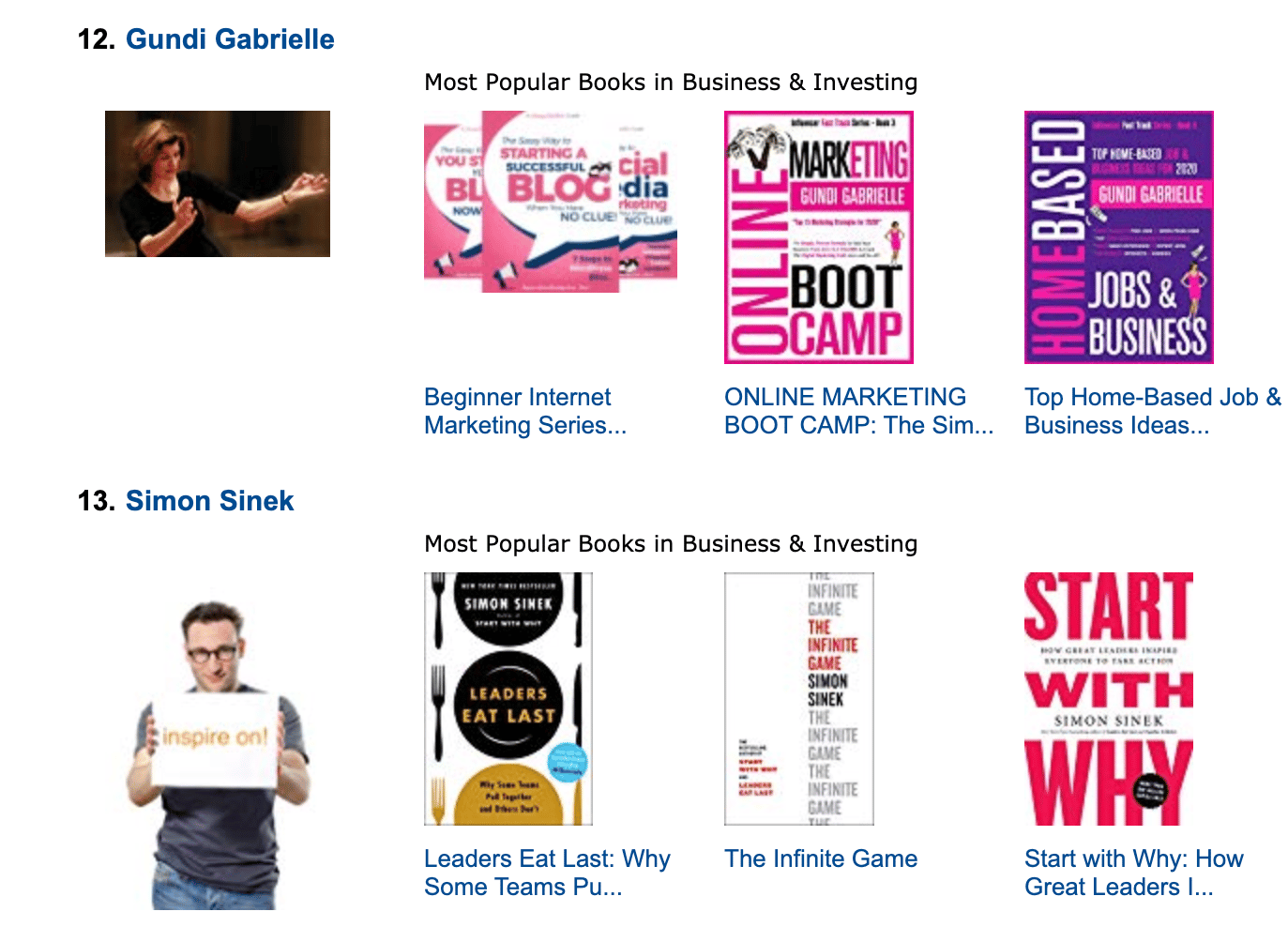
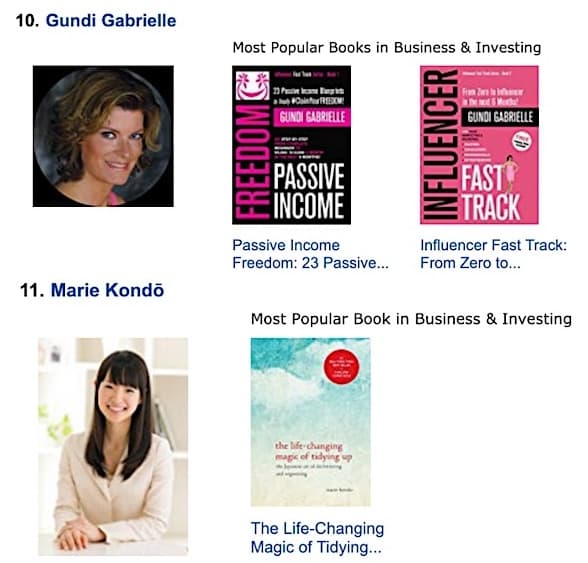
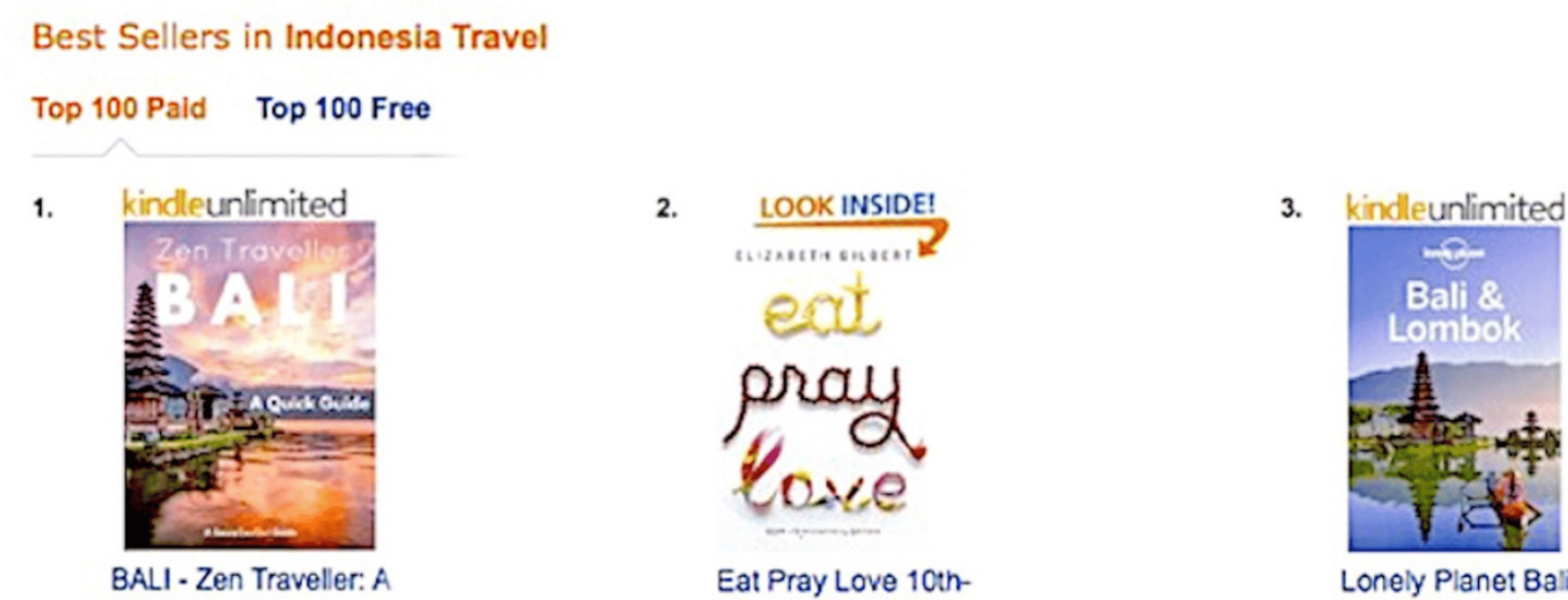
Along the way, I sold over 350,000 books, and was listed in Amazon's Top 100 Business Author Charts, ahead of authors like Simon Sinek, Brené Brown, Tim Ferriss, Robert Kiyosaki, or Brian Tracy.
No traditional publisher. No massive budget. Just understanding Amazon's algorithm and researching what readers actually want.
In my earlier years, I was a classical conductor & organist, touring the world, incl. Carnegie Hall & a performance for the Pope on St. Peter's Square.
These days, I love traveling as a Digital Nomad and orchestrating busy AI Agents 😎. Out of that came Golden Bestseller Empire — the All-In-One AI Book Publishing Studio now helping authors around the world.
Can't wait to see you inside & help you publish your dream:
Featured In:
More from the Golden Bestseller Blog
Amazon KDP Publishing Guide
How to Self-Publish a Book: Step-by-Step Beginner's Guide (2027)
To self-publish a book, you write it, format it and upload it yourself to a platform like Amazon KDP, which is free and puts your book on sale in about 72 hours. This beginner's guide walks first-time nonfiction authors through all 8 steps, from finding your topic to launching your book toward a Bestseller.
Amazon KDP Publishing Guide
What Is KDP Select? How Kindle+ Page Reads, Free Days and Countdown Deals Work
What is KDP Select? Amazon's free 90-day program for your Kindle ebook: how Kindle+ page reads pay, Free Book Promotions, Kindle Countdown Deals and the exclusivity rule.
Amazon KDP Publishing Guide
Is Amazon KDP Worth It? What It Costs, What You Get and the Mistake to Avoid
Is Amazon KDP worth it? What publishing on KDP really costs, what you get back, why most books don't sell, and 5 steps to make Amazon KDP worth your time.
Want a faster way to plan and price your next book?
Golden Bestseller Empire's AI publishing tools help with exactly this kind of decision.