
Amazon A10 Algorithm for Authors: How It Ranks Your Book
The Amazon A10 algorithm decides which book shows up first. Here is how it works, where COSMO fits in, and what to do about it.
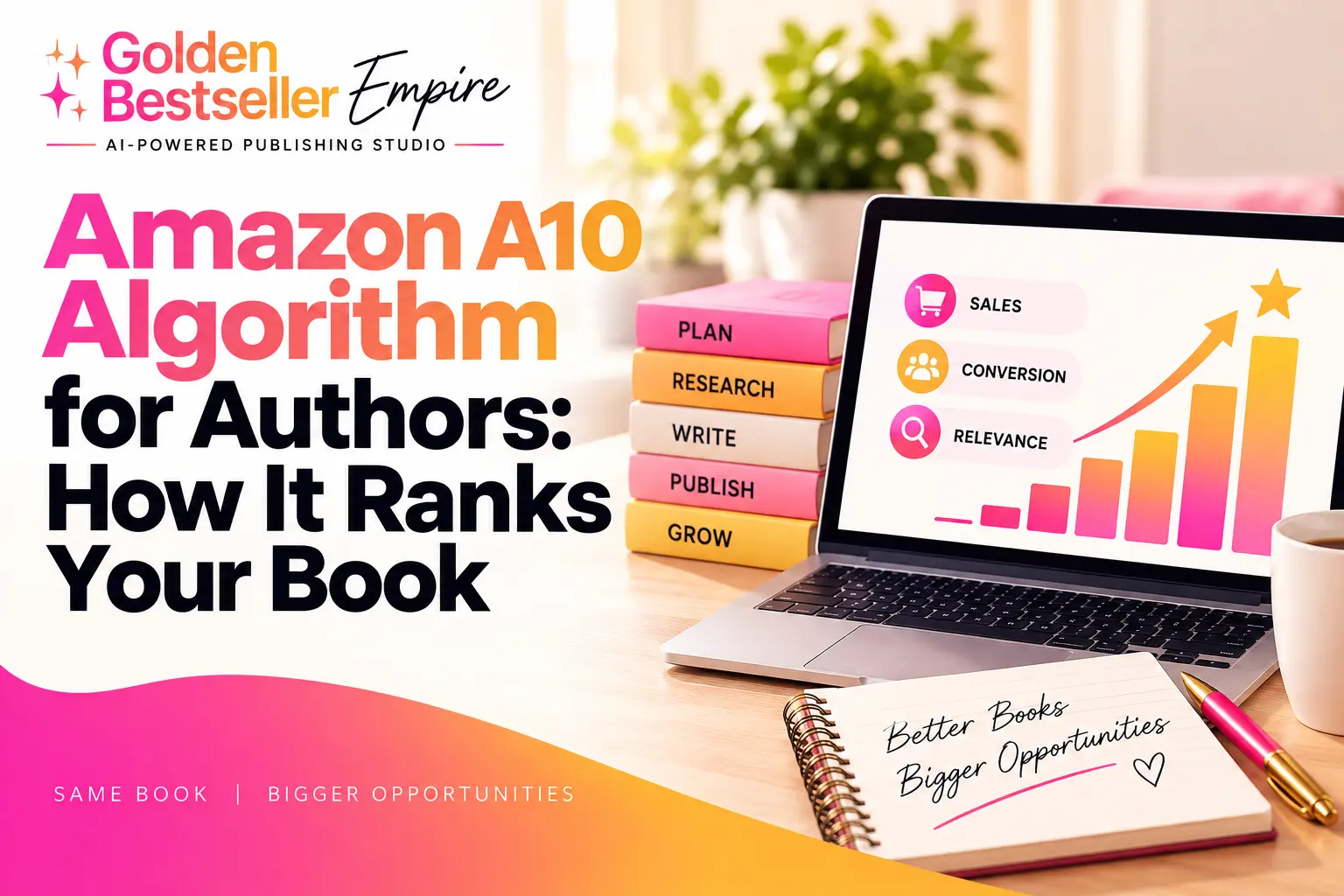
A10
The ranking engine: sales, conversion, relevance
COSMO
Maps shopper intent and feeds candidates to the ranking engine
Inside Your Book
Amazon searches the actual words in your book
Alexa for Shopping
Replaced Rufus May 13, 2026, in the app menu

By Gundi Gabrielle
11 min read
Alrighty, let's talk about the Amazon A10 algorithm...
You've probably seen the name everywhere, and most explanations make it sound like rocket science. It isn't. I'll keep it simple, I promise :)
By the end of this post, you'll know what the Amazon A10 algorithm looks at, where Amazon's new AI fits in, and what you can fix before you publish.
If you want the big picture first, start with my Amazon KDP algorithm guide. This post zooms in on one question: who decides which book shows up first, and what can you do about it? Short sections, so you can skim :)
What is the Amazon A10 algorithm?
The Amazon A10 algorithm is the ranking engine that decides which books show up first when someone searches on Amazon.
Think of it as the judge. A shopper types something into the search bar, Amazon finds the books that could fit, and the judge puts them in order. It looks at three big things: sales velocity (how fast your book is selling), conversion rate (how many people who look at your page actually buy), and relevance (how well your book matches what was typed).
That's it. Sales, conversion, relevance. Every tip in this post comes back to those three.
👑 Not sure what to rank for? Golden Bestseller Empire shows you the reader's real search words. → Try it
Is the Amazon A10 algorithm different from A9?
Yes, the newer version leans more on meaning, but the judge's job is the same: put the books in order.
A9 was mostly a word matcher. The Amazon A10 algorithm is the newer version of that judge. Your keywords had to match the search words. These days Amazon also tries to understand what the shopper actually wants, and Amazon says it right on its own news page: "It's not just about matching keywords anymore—it's understanding what customers are actually looking to buy."
But here's the part people miss. The words still get you through the door. If your book doesn't match the words, the judge never even sees it.
What does the Amazon A10 algorithm actually look at?
It looks at how well your book sells, how well your page converts, and how closely your book matches the search.
KDP, Amazon's own publishing platform, confirms part of this. Their search results page says results can be influenced by factors "including but not limited to" past sales history, availability, length of time the item has been listed, and popularity.
And on keywords, KDP says "relevant keywords can boost your placement in search results on the Amazon Store."
Your main keywords live in your title, subtitle and description, and they do the heavy lifting. KDP also gives you seven small keyword boxes. Those are a smaller extra help: up to seven short phrases a reader would really type.
So the three ingredients again: relevance gets you into the pool, then sales and conversion decide how high you climb.
👑 Relevance starts with a clear plan. Golden Bestseller Empire maps your book's keywords before you write. → See how
Does Amazon read the words inside my book?
Yes, Amazon reads the actual text inside your book and uses it in search.
KDP says it on their Read Sample page: "we use the actual words that match inside the book to return the best possible selection of books."
Isn't that a game changer? Most authors only polish the title and the description. Relevance is one of the three things the Amazon A10 algorithm weighs, so those words matter. Meanwhile the introduction, the table of contents, and your chapter subheaders are being read word for word.
Amazon's Look Inside shows roughly the first 10% of your book. For a 35,000-word book, that's about 3,500 words: the table of contents, the introduction, and the start of Chapter 1. That little window does most of the work. Everything after it is written for your reader, and that's how it should be.
Where does COSMO fit in with the Amazon A10 algorithm?
COSMO is not the ranking algorithm. It is the layer that figures out what the shopper means and hands the right books to the ranking engine.
COSMO is Amazon's own research system. It's a knowledge graph, which is just a giant map of how ideas connect. Amazon's research paper lists 15 types of connections, like who a product is for, what it's used for, and when it's used. For books, I add three more that matter: Author, Series, and Format. That's the 18 I teach.
So the flow looks like this:
- A shopper searches.
- COSMO figures out what they really want and picks the candidate books.
- The ranking engine (the Amazon A10 algorithm) puts those candidates in order using sales, conversion and relevance.
Two different jobs. COSMO decides who gets invited to the party. The ranking engine decides who gets the best seat.
Want the deep dive? I explain it in my Amazon COSMO algorithm guide and the map itself in what is a knowledge graph.
Why does one clear topic beat five vague ones?
Because COSMO gives much more weight to the most typical reason people search, not every possible reason.
In Amazon's COSMO research, about 35% of the search-to-purchase connections are "typical," meaning they're the most common, default reason someone searches in a niche. Only about 9% of the co-purchase connections are typical.
In plain words, the Amazon A10 algorithm has an easy job when your topic is clear: a book that answers the number one reason readers search will beat a book that tries to be everything for everyone. Ask yourself, is this what the large majority of buyers in my niche actually want? If it's an edge case, even a real one, cut it.
👑 One clear topic wins. Golden Bestseller Empire helps you pick it before you write. → Start with the Book Planner
Why do daily moments help the Amazon A10 algorithm find my book?
Because every real moment in your reader's day is another way for Amazon to match your book to a search.
Say your reader is a burned-out mom. Her day has a morning rush, school drop-off, the 3pm crash, bath time and bedtime. Each of those is its own search.
A book called Breathe, Mama, Breathe ranks #4 in its niche without matching the title keywords, because it names those exact moments again and again.
Here's how to use that:
- Write down 6 to 10 real moments your reader lives through.
- Use the reader's own words, like "the 5pm chaos," not a general label like "stress."
- Put them in your introduction and subheaders, where Amazon reads word for word.
That's how a small book beats a big one on relevance.
What changed with Alexa for Shopping in 2026?
Rufus is now Alexa for Shopping, and it sits on top of search as a separate chat helper.
Amazon's news page confirms the date: "On May 13, 2026, Rufus was renamed Alexa for Shopping."
It lives in the Amazon app menu (look for the little cursive "A"). It's not the search bar. The search bar is still the old-fashioned keyword gate, and the Amazon A10 algorithm still runs it. Alexa for Shopping reads your listing copy, your reviews and the community questions when it answers a shopper's questions. Books that talk about the reader's real daily situation in plain words are the ones that get mentioned.
I wrote more about it in Alexa for Shopping for authors.
Do sales and reviews beat a keyword mismatch?
No. Sales and reviews help you inside the matched group, but they don't get you into it.
I've seen books with zero sales sitting above books that sell, just because the keywords matched better. Reviews work the same way. They help once you're in the pool, but they don't open the door.
Here's what does matter over time for the Amazon A10 algorithm:
- New release window. It's real and it lasts months, not three weeks. A new book can outrank established ones for a while, so launch with your ARC readers (early reviewers) and your email list ready.
- Verified purchase reviews. Only these count toward your sales rank. Copies sent through Amazon create verified purchases. PDFs you email don't.
- Traffic from outside Amazon. Email and social clicks that bring new shoppers to your page help. There is no magic multiplier, so ignore anyone selling you one.
- Pages actually read. In Kindle Unlimited, a reader who finishes your book leaves reviews and creates the "customers also bought" links that build your rank for months.
And the cover? That's your conversion gate. The best algorithm in the world can't fix a cover people scroll past.
What keeps the Amazon A10 algorithm working for my book after launch?
Readers who finish your book keep it ranking, because reviews and "customers also bought" links build on each other for months.
Your listing gets the first sale. Your pages get every sale after that. In Kindle Unlimited you earn per page read, and those page reads (called KENP, short for Kindle Edition Normalized Pages) show Amazon that real people are finishing your book.
So write for momentum:
- End each chapter with a short bridge that makes stopping feel wrong.
- Add one memorable sentence at the end of each chapter, so readers quote it in reviews.
- Use your reader's words, so their reviews echo your topic.
How do I make my book algorithm-ready?
Build the book around one clear idea, and say it in the places the Amazon A10 algorithm reads.
Here's my simple order:
- Title. Put the right words in it. Aim for one or two clear things, not a stuffed title. Humans scroll past those.
- Introduction. This is your most valuable page. It does more algorithm work than all the chapters combined. Say who the book is for, what it does, and the exact daily moments it helps with.
- Chapter subheaders. Aim for four to six per chapter, written as the reader's real question or situation, like "What do I do at 5pm when everyone needs me?"
- Description. State every key thing in one clear sentence. Amazon's question bubbles come from your description, so if you leave something out, the question can't appear.
- Categories. You get three per format, Kindle and print separately. Check that each one has a real page on Amazon. About 27% of the categories you can select in KDP have no page at all. They're ghost categories.
Sound like a lot? That's why I built a tool for it.
👑 Skip the guesswork. Golden Bestseller Empire builds the outline and subheaders for you. → See the app
What is a simple checklist before I publish?
Check six things, and your book is ready for the Amazon A10 algorithm.
- One clear topic that most buyers in your niche want.
- Main keywords in your title, subtitle and description.
- Seven backend keywords filled in as a small extra help.
- A strong introduction that names who it's for and the daily moments.
- Chapter subheaders written as your reader's real questions.
- A cover and description that make people click "Buy."
Tick all six, and you've done more than most authors do :)
How does Golden Bestseller Empire make this easier?
You answer guided questions about your book, and the app turns your answers into an algorithm-ready outline and a knowledge graph.
That graph then builds your book description, your A+ content, your backend keywords, your translations, and your Amazon ads keywords. All from the same plan, so everything the Amazon A10 algorithm and COSMO read says the same thing. I don't know of another app that does this.
And you still write the book. You write it or dictate it, the app helps you and walks you through the whole publishing process. I used it for AI for Beginners (Blissful Kittens Explain), and it was faster and easier, and the book hit #1 within 3 days: see it on Amazon.
Related reading
- Amazon KDP algorithm guide: the big picture first.
- Amazon book ranking algorithm guide: the ranking side in depth.
- Get your book page ready for AI shopping: the page checklist.
What should I do first about the Amazon A10 algorithm?
Pick one clear topic, then put the right words in your title, your introduction and your subheaders.
Don't chase the name A10. Chase the three things behind it: relevance, conversion and sales. Relevance you can build before you write a single chapter, and that's the part most authors skip.
Do that, and the Amazon A10 algorithm has everything it needs to put your book in front of the right readers.
You've got this. Let's rock it with the Amazon A10 algorithm on your side!
Frequently Asked Questions
What is the Amazon A10 algorithm?
The Amazon A10 algorithm is the ranking engine that decides which books show up first in Amazon search. It orders books using sales velocity, conversion rate and relevance.
Is COSMO the same as the Amazon A10 algorithm?
No. COSMO figures out what the shopper means and picks the candidate books, then the ranking engine puts them in order. They are two different jobs.
Does Amazon read the words inside my book?
Yes. KDP says, "we use the actual words that match inside the book to return the best possible selection of books." Your introduction, table of contents and subheaders are all read.
Do keywords still matter for the Amazon A10 algorithm?
Yes. KDP says relevant keywords can boost your placement. Your main keywords in the title, subtitle and description do the heavy lifting, and the seven backend keywords are a smaller extra help.
Where is Alexa for Shopping, and is it the search bar?
It is in the Amazon app menu, not the search bar. Rufus was renamed Alexa for Shopping on May 13, 2026, and the search bar still works as the keyword gate.
How do I get my book ready for the Amazon A10 algorithm?
Pick one clear topic, then put the right words in your title, introduction, subheaders and description. Golden Bestseller Empire turns your answers into an algorithm-ready outline and knowledge graph.
Sources & Citations
- KDP Help: Search Results
- KDP Help: Make Your Book More Discoverable with Keywords
- KDP Help: Read Sample (Look Inside the Book)
- Amazon: How Amazon is using generative and agentic AI to transform shopping
This page is maintained independently and is not affiliated with Amazon. Always double-check the latest numbers inside your own KDP account before making pricing decisions.
Found this useful? Get more of this site in your Google.
One tap adds us as a preferred source — Google then shows you our posts more often in Search, Top Stories, and AI Overviews.
Created By

Top 100 Business Author · Carnegie Hall Conductor · Founder of Golden Bestseller Empire
Hey, I'm Gundi, and for over a decade, I've helped thousands of everyday people turn what they know into a bestselling book.
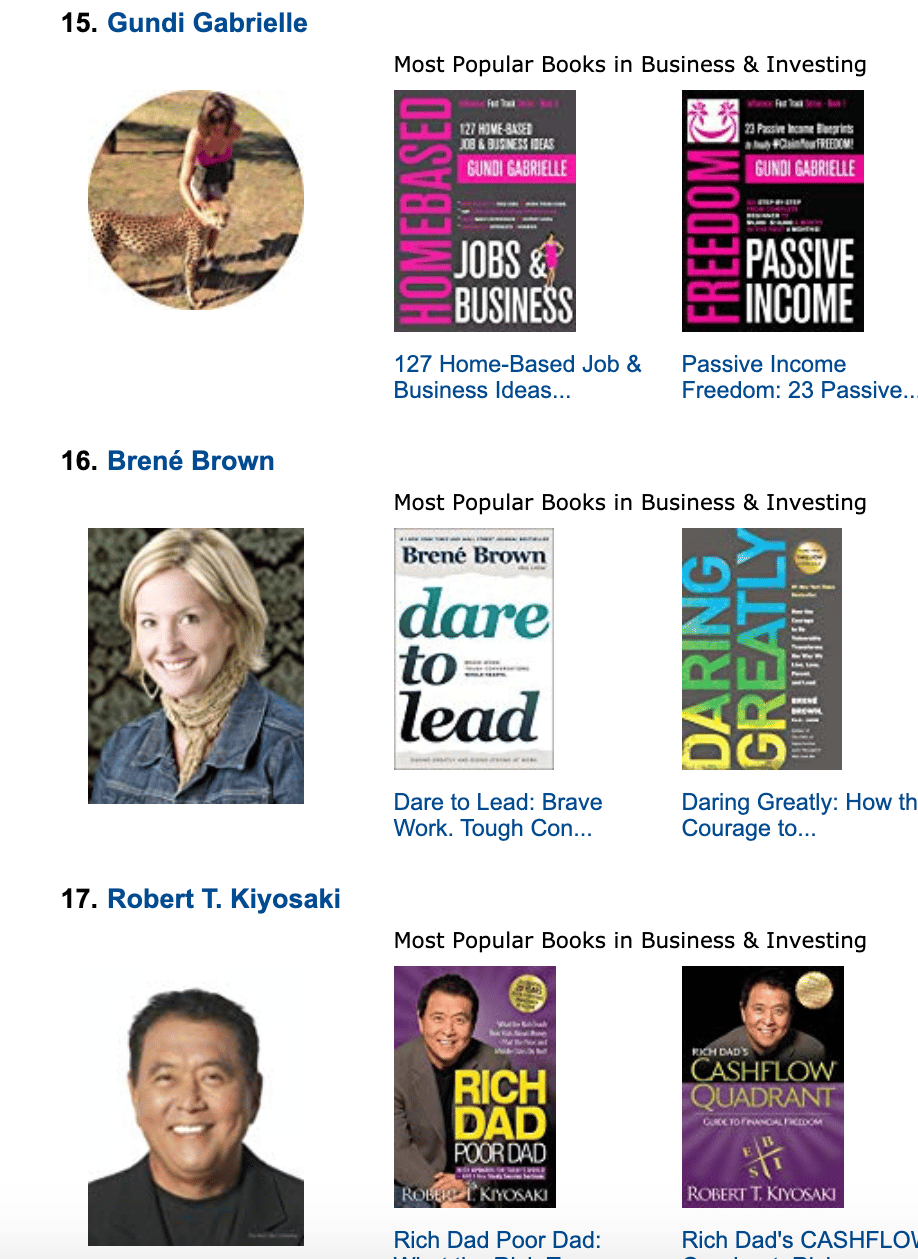
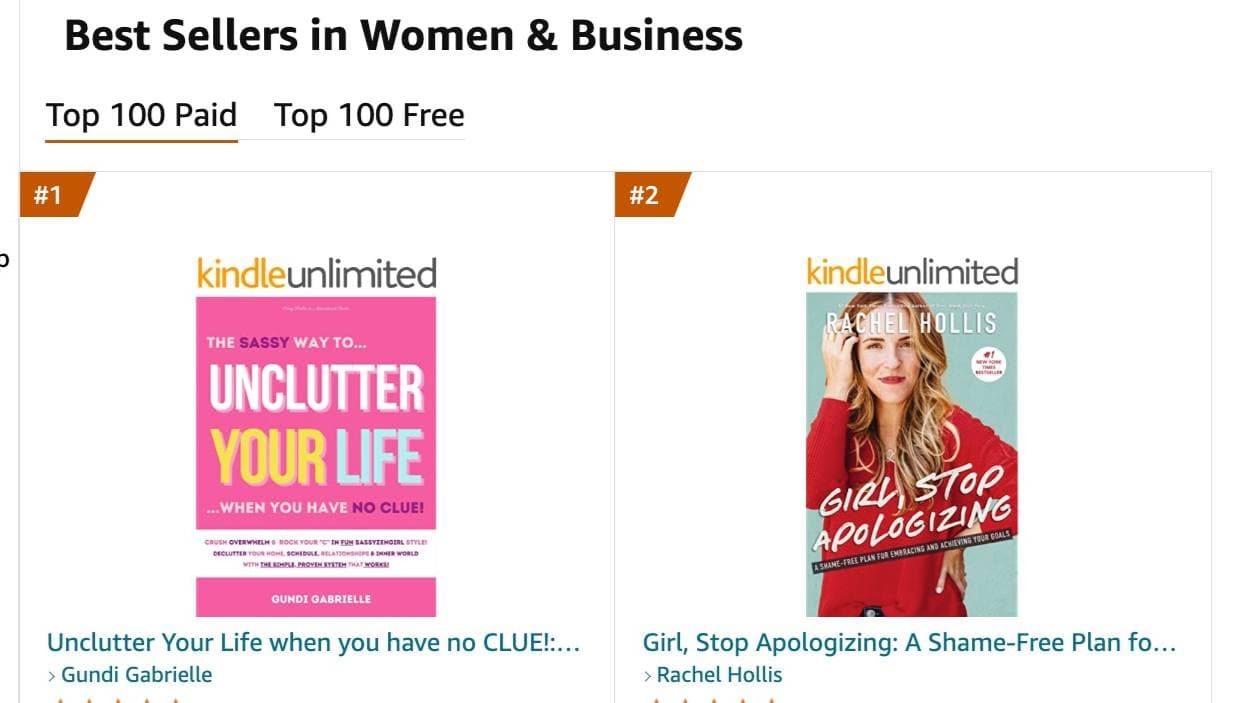
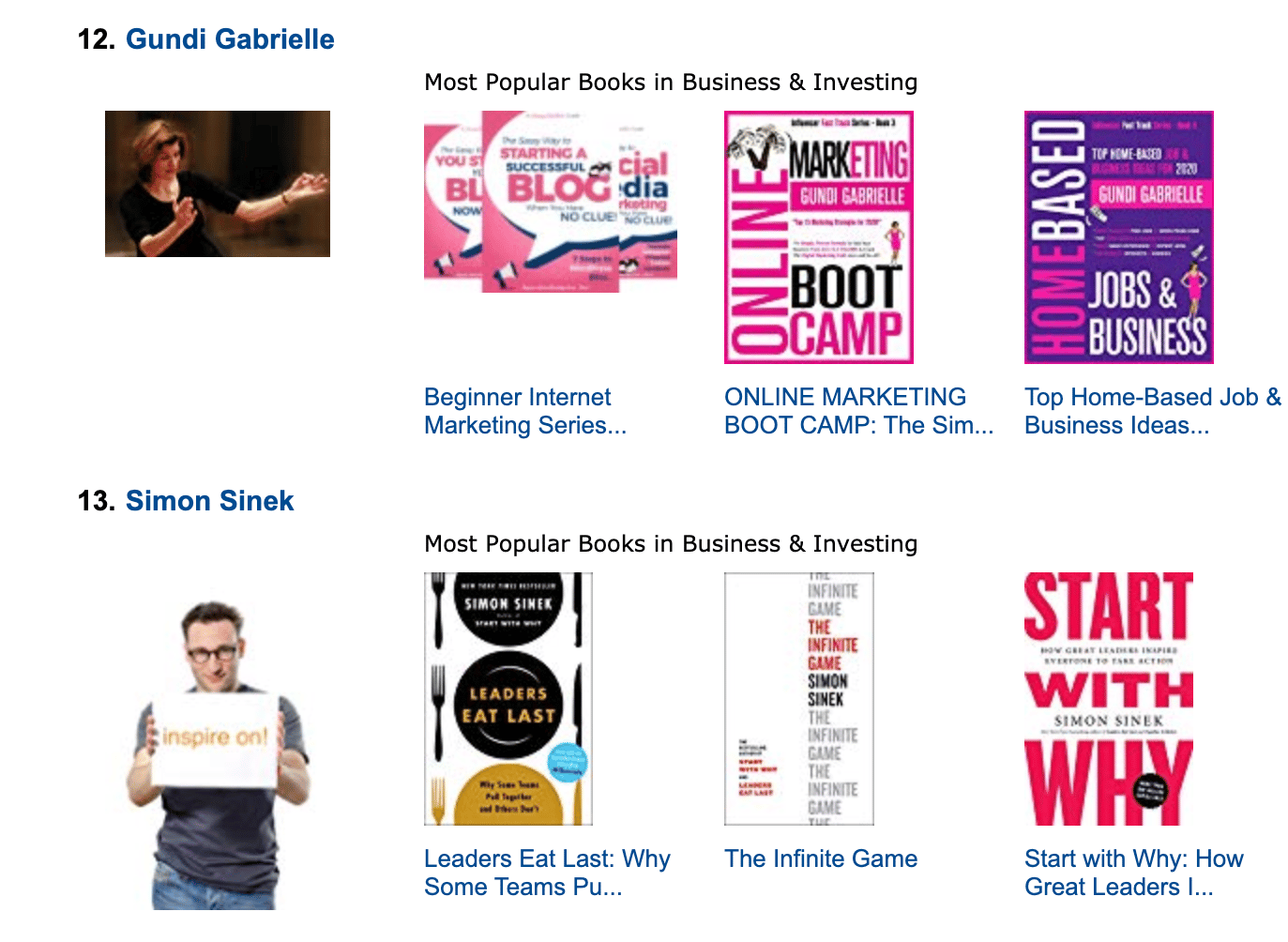
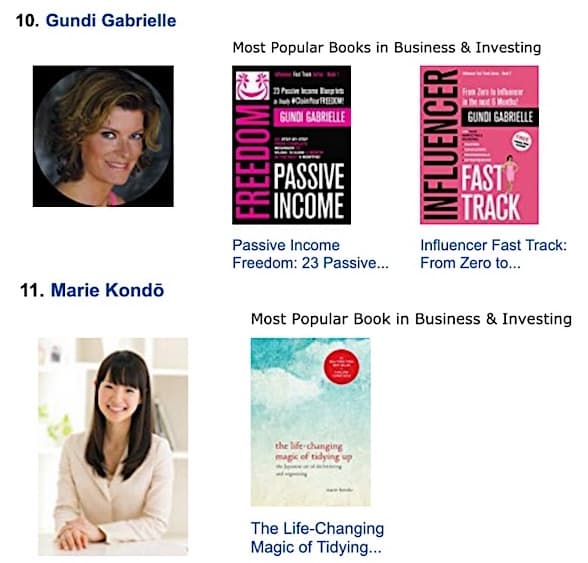
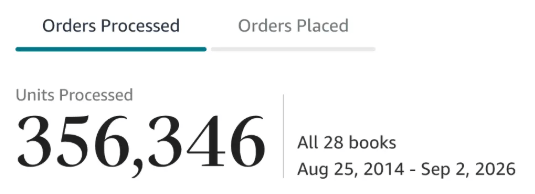
Along the way, I sold over 350,000 books, and was listed in Amazon's Top 100 Business Author Charts, ahead of authors like Simon Sinek, Brené Brown, Tim Ferriss, Robert Kiyosaki, or Brian Tracy.
No traditional publisher. No massive budget. Just understanding Amazon's algorithm and researching what readers actually want.
In my earlier years, I was a classical conductor & organist, touring the world, incl. Carnegie Hall & a performance for the Pope on St. Peter's Square.
These days, I love traveling as a Digital Nomad and orchestrating busy AI Agents 😎. Out of that came Golden Bestseller Empire — a complete AI-Powered Book Publishing Studio now helping authors around the world.
Can't wait to see you inside & help you publish your dream:
Featured In:
More on the Amazon Book Algorithm
Amazon Algorithm
Amazon KDP Algorithm: How It Works in 2027 (Amazon's New AI Algorithm Explained)
How the Amazon KDP algorithm works in 2027: keywords and sales, COSMO, Alexa for Shopping, and how a knowledge graph gets your book found.
Amazon Algorithm
Amazon COSMO Algorithm: What It Is and How Authors Can Use It
The Amazon COSMO algorithm maps why people buy. Here is what it is, what Amazon's own paper shows, and how to use it for your book, in plain English.
Amazon Algorithm
Alexa for Shopping for Authors: What Changed and What to Do
Alexa for Shopping replaced Rufus on May 13, 2026. Here is how it works for books and exactly what to put in your listing so readers get pointed to you.
Amazon Algorithm
Amazon Book Ranking Algorithm: What Really Moves Your Book Up
The Amazon book ranking algorithm in plain English: what KDP says counts, what Best Sellers Rank really measures, and what you can do about it.
Amazon Algorithm
Knowledge Graph vs Keywords: Why Keywords Alone Aren't Enough on Amazon Anymore
Knowledge graph vs keywords on Amazon, in plain English: what each one does, why Amazon says search is not just matching keywords anymore, and how to use both. The seven backend keywords are only a small help.
Amazon Algorithm
What Is a Knowledge Graph for a Book? A Plain-English Guide for Authors
A knowledge graph for a book is a simple map of who it's for, what it does and when it's used. Here's what it is, why Amazon cares, and how to build yours.
Amazon Algorithm
COSMO and Alexa for Shopping: How They Work Together
COSMO figures out what a shopper means. Alexa for Shopping talks to them about it. Here is how COSMO and Alexa for Shopping fit together, in plain English, and what to do as an author.
Amazon Algorithm
COSMO Relations for Books: All 15 Explained (Plus the 3 Extra Ones for Authors)
The 15 COSMO relations from Amazon's paper explain why people buy. Here is each one in plain words, with the paper's example and what it looks like for a book.
Amazon Book Pages
Is Your Amazon Book Page Ready for AI Shopping?
Amazon's shopping assistant now answers questions and compares products in the search bar. Here's what that means for your Amazon book page, and what to check.
Amazon Algorithm
AI-Generated Books and the Amazon Algorithm: Why Specific Beats Generic
AI-generated books can rank on Amazon but rarely sell. Here is what KDP makes you disclose, why generic books lose, and the AI-assisted way to publish.
Want a faster way to plan and price your next book?
Golden Bestseller Empire's AI publishing tools help with exactly this kind of decision.