
Amazon Book Ranking Algorithm: What Really Moves Your Book Up
The Amazon book ranking algorithm in plain English: what KDP says counts, what Best Sellers Rank really measures, and what you can do about it.
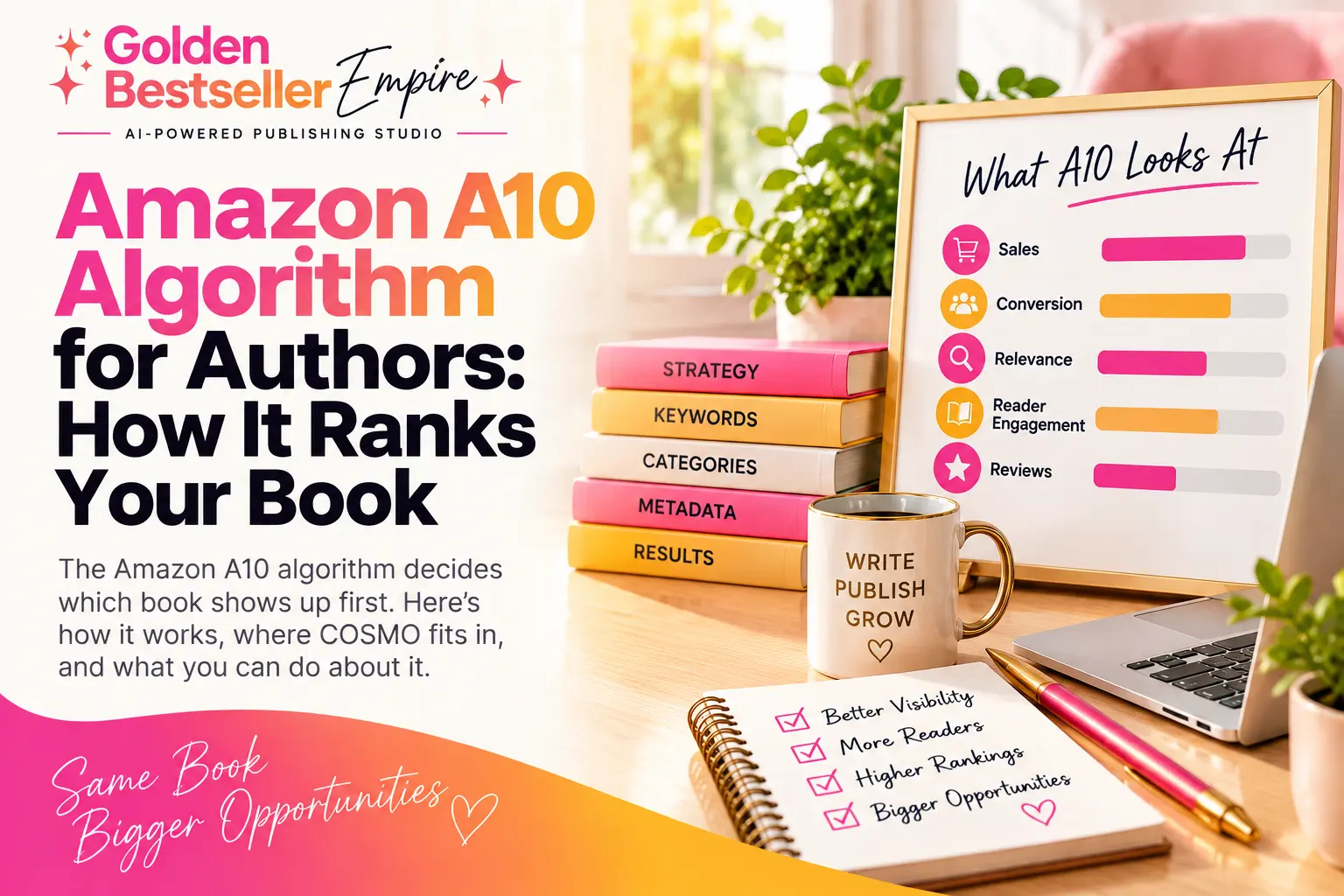
What Ranks Books
Sales velocity, conversion rate, relevance
Inside Your Book
Amazon searches the actual words in it
COSMO
Finds the right books; A9/A10 ranks them
New Books
Up to 72 hours to appear in search

By Gundi Gabrielle
13 min read
Let's talk about the Amazon book ranking algorithm... because most of what you read about it online is either way too complicated or just plain made up. :)
I've been publishing for over 10 years, so I've watched the Amazon book ranking algorithm change a lot. The good news? The basics are simpler than you think. Let me walk you through them.
This post is part of my Amazon KDP algorithm guide.
What is the Amazon book ranking algorithm, in plain English?
The Amazon book ranking algorithm is the system that decides which books show up first when a reader types something into Amazon's search bar.
Amazon's own KDP help page puts it like this: the order of the books "are determined automatically depending on various factors." No person sorts them. The Amazon book ranking algorithm does it by computer, every time someone searches.
Here's what trips up almost everybody:
"Ranking" means two different things.
One is where your book shows up in search results. The other is your Best Sellers Rank, that number on your book page. They're related, but they're not the same thing. I'll take them one at a time.
👑 Want your book to match what readers search for? Golden Bestseller Empire plans it with you. → See how
What does KDP say the Amazon book ranking algorithm counts?
KDP lists past sales history, availability, how long the book has been listed, and popularity, and adds that relevant keywords can boost your placement.
It's right on KDP's Search Results page. Amazon calls it a list of factors "including but not limited to" those four, so there's more going on behind the curtain.
And KDP's keyword page says "relevant keywords can boost your placement in search results on the Amazon Store."
One more honest line from KDP: "Neither Amazon nor KDP can guarantee that your book will display near the top of search results."
So nobody can promise you the top spot with the Amazon book ranking algorithm. But you can stack the odds, and that's what the rest of this post is about.
How does Best Sellers Rank fit into the Amazon book ranking algorithm?
Best Sellers Rank compares how your book is doing to how other books are doing, and the recent days count the most.
KDP's Sales Ranking page says rankings "are based on customer activity of your book relative to the activity of other books." It also says rankings reflect "recent and historical activity, with recent activity weighted more heavily."
And they're "updated at least once per day, but changes may take up to 2 days to appear."
Two things I want you to remember:
Your rank can move even if nothing changed on your side, because the Amazon book ranking algorithm compares you to everyone else. If other books sell more today, you slide. That's normal. Don't panic.
Every format has its own rank, and a book can show up in up to three Best Seller category lists.
That's why a #1 in a small category is so doable for a brand new author. You only have to beat the books in that one list.
👑 Want a book your readers keep finishing? Golden Bestseller Empire plans it around them. → Try the Book Planner
What are the main Amazon book ranking algorithm factors?
The Amazon book ranking algorithm weighs eight main signals, and these are the ones that decide where your book lands in search, in order of importance. Print this list out. Seriously. :)
The main ranking drivers:
- Conversion rate. The cleanest signal there is. Out of everyone who lands on your book page, how many buy? It tells Amazon your page gives readers exactly what they came for.
- Sales velocity. How fast your book is selling, especially in the last 7 to 30 days. Recent sales count the most, and steady sales beat one big spike on a single day.
- Click-through rate (CTR). Out of everyone who sees your book in the search results, how many click? Your cover, title, price and stars do that job. CTR now counts as a signal all on its own.
- Relevance and indexing. Your book still has to be indexed for the words the reader typed. The meaning behind your words helps, but it doesn't replace the main keywords in your title, subtitle and description. No match, no show.
- Availability. If readers can't buy your book, you lose momentum fast. This matters most for the paperback.
- Account and listing health. Think of it as a multiplier. A healthy account lifts everything above. A problem account holds it all down.
- External traffic. Readers you send from outside Amazon (your email list, social media, your website) carry more weight than most authors think.
- Returns and customer experience. Rising returns or unhappy readers push your visibility down.
And one more that goes hand in hand with conversion: bounce rate. If readers land on your page and leave without doing anything, Amazon sees that your page isn't what they expected.
The ranking flywheel:
Here's the flywheel inside the Amazon book ranking algorithm. Readers click... they buy... your sales climb... your rank goes up... more readers see you... and around it goes.
That's why a strong start matters so much, and why every signal on this list feeds the next one.
I go deeper in my Amazon A10 algorithm guide, but here's the part most people miss:
Relevance is the gate. If your title, subtitle and description don't match what the reader searched, your book doesn't even get into the line. Sales and reviews can't push a book into a search it doesn't match.
And the cover decides whether anyone clicks. The algorithm can't fix a cover people scroll past. :)
Does Amazon read the words inside your book?
Yes. KDP says so right on its Read Sample page: "we use the actual words that match inside the book."
Read that again... Amazon doesn't only look at your title and description. It reads your book.
That's a big deal, because the first 10% of your book is the part readers can preview. That's your table of contents, your introduction and the start of chapter 1. It's the most valuable writing in the whole book for Amazon, and most authors rush it.
So make your chapter titles and subheadings say what the chapter is really about, in the words a reader would use. Clear beats clever every time with the Amazon book ranking algorithm.
Where does COSMO fit in?
COSMO is Amazon's system for figuring out what a shopper really means. It is not the Amazon book ranking algorithm, and it does not rank your book.
COSMO is a giant map of how things connect, called a knowledge graph. (Think of it as a web: "burnout" connects to "tired moms" connects to "evening routines.") If you want the simple version, read what a knowledge graph is.
Here's the part that confuses people:
COSMO helps Amazon pick the right books for a search. Then the A9/A10 engine puts those books in order. COSMO finds the candidates and A10 ranks them.
Amazon's research paper lists 15 ways a product can connect to a shopper's intent. For books, I map 3 more: Author, Series and Format. That's 18 in all. My COSMO guide shows you every one.
👑 Not sure which words your readers use? Golden Bestseller Empire maps them for you. → See the knowledge graph
Why does one precise topic beat five vague ones?
Because Amazon trusts the most typical reason people buy in a niche much more than the unusual ones.
In Amazon's COSMO paper, about 35% of the search-to-buy connections were "typical," meaning the most common reason a reader searches. Only about 9% of the co-purchase connections were typical.
Sound complicated? Here's the simple version:
Pick the one thing most buyers in your niche actually want, and nail it. The Amazon book ranking algorithm loves a book that knows who it's for.
A book that clearly answers that beats a book trying to cover everything. This is also why a series works so well. Each book owns its own topic.
Is there a honeymoon period for new books?
Yes, and it lasts longer than people say. The Amazon book ranking algorithm can give a new book a real boost for months.
You'll hear that it's only about three weeks. Not true. I've seen a book that launched in January sit at #2 for a very broad search in May.
So treat your launch like a big deal. Line up early readers, get your first verified reviews in, and send your email list over on launch day. Only verified purchase reviews count toward rank, by the way. A review from a PDF copy won't do it.
And one thing for the long run: readers who actually finish your book leave reviews and buy your next one. Those signals pile up over months.
What does Alexa for Shopping change?
It adds a chat layer on top of search, but it doesn't replace the search bar or the Amazon book ranking algorithm behind it.
Since May 13, 2026, "Rufus" is now called Alexa for Shopping. You find it in the Amazon app menu, not in the search bar. The search bar still works the way I described above.
Alexa reads your description, your reviews and the questions people ask. When your book speaks plainly to the reader's real day (the 5pm chaos, the school drop-off) it gets mentioned. More in my Alexa for Shopping guide.
👑 Want Alexa to understand your book? Golden Bestseller Empire writes that clarity into your plan. → Start planning
What do KDP's rules say about your listing?
Keep the title to your real title, make the description a clear pitch, and pick up to three categories that truly fit.
KDP's Metadata Guidelines say the title field should hold "only the actual title of your book as it appears on your book cover." Title and subtitle together must be fewer than 200 characters. No reviews, quotes or testimonials in the description, and no website URLs.
For categories, you pick "up to three categories" based on your primary audience. Pick ones that really describe your book.
You also get up to seven backend keywords. These are a smaller supporting help. KDP says "single words work better than phrases," but its metadata page recommends phrases 2-3 words long. So use what a reader would actually type, and keep it specific.
After you publish, be patient. KDP says it "can take up to 72 hours after publishing or republishing for your book to appear in search results."
How do you improve your Amazon book ranking algorithm results?
Fix the things you control, in this order. That's how you work with the Amazon book ranking algorithm, not against it.
- Put the right words in your title and subtitle. One or two clear things, not a pile. These main keywords do the heavy lifting.
- Write a description that answers the questions a buyer would ask, in the words they use.
- Pick three real categories.
- Fill in your seven backend keywords as a small extra help, with 2-3 word phrases a reader would type.
- Get the cover right. It decides the click.
- Write a strong introduction and table of contents. Amazon reads them.
- Launch with early readers and verified reviews.
- Send your own readers to your book page from your email list, social media and website.
Then give it weeks, not hours. Search results are dynamic, KDP says, so they bounce around.
Does that sound like a lot? It's really just eight small jobs, and you do most of them once.
How does Golden Bestseller Empire work with the Amazon book ranking algorithm?
It takes care of the parts of the Amazon book ranking algorithm you can control, all from one plan.
In the Book Planner you answer simple questions about your book. The app turns your answers into an algorithm-ready outline and a knowledge graph. From that graph it builds your book description, A+ content, backend keywords, translations and even your Amazon ads keywords.
I don't know of another app that does this. :)
It's AI-assisted, not AI-written. You write (or dictate) your own book. I used it for my book AI for Beginners, which I published under Blissful Kittens Explain, and it was faster and easier, and it hit #1 within 3 days. You can see it on Amazon.
How do the main keywords differ from the seven backend keywords?
Your title, subtitle and description are your main keywords, and they matter far more than the seven backend boxes. The boxes are only a small helper on the side.
Here's the simple way to think about it:
- Main keywords live in your title, subtitle and description. Readers see them, and Amazon reads them. They do the heavy lifting.
- Backend keywords are the seven little boxes only you can see in KDP. Think of them as a small extra nudge.
- Fill the boxes with phrases of 2-3 words that a reader would really type, and don't repeat words you already used up front.
Get the main keywords right first... then the seven boxes are easy. :)
What hurts your Amazon book ranking algorithm score?
Mixed signals hurt the most. When your title says one thing, your cover says another and your description says a third, the Amazon book ranking algorithm can't tell who your book is for.
Here's my quick "oops" checklist:
- A title stuffed with keywords that no human would say out loud.
- A cover that looks like a different genre than your category.
- A description that rambles instead of answering the buyer's questions.
- Five topics in one book, instead of the one thing most buyers want.
- Zero plan for launch week, so the first sales trickle in and stall.
- Out of stock or unavailable, especially for the paperback.
Sound familiar? Don't worry, every one of these is fixable. :)
What does a well-ranked book page look like?
It says one clear thing, to one clear reader, in plain words. That's it.
Say your book is for tired moms who want a calm evening routine. Then:
- Your title names the reader's problem or promise in plain words.
- Your subtitle adds the one result they get.
- Your description talks about their real evenings, not your life story.
- Your cover looks like the other books readers already pick in that category.
- Your introduction repeats those same words, because Amazon reads them too.
Everything points the same way... and that's what the Amazon book ranking algorithm rewards.
Related reading
Want to go deeper? These posts pick up where this one leaves off:
- Amazon A10 algorithm guide
- Amazon KDP algorithm guide
- Get your book page ready for AI shopping
- KDP keywords: rules and limits
- KDP metadata guidelines
What's the one thing to remember about the Amazon book ranking algorithm?
The Amazon book ranking algorithm ranks books on how readers behave: conversion, sales velocity, clicks, relevance and more. COSMO helps Amazon understand what your book is about.
So make your book easy to understand. Clear title, clear keywords, clear introduction. That's the whole game.
Ready to give it a shot?
Then start by making your book page clear and easy to understand... and let's rock the Amazon book ranking algorithm together!
Frequently Asked Questions
What factors does the Amazon book ranking algorithm use?
The Amazon book ranking algorithm uses sales velocity, conversion rate, and relevance. KDP also names past sales history, availability, how long the book has been listed, and popularity, and says relevant keywords can boost your placement. Amazon says the list goes beyond those.
Does Amazon read the words inside my book?
Yes. KDP says Amazon uses "the actual words that match inside the book" to return search results. That's why your introduction, table of contents and subheadings matter so much.
Is COSMO the Amazon ranking algorithm?
No. COSMO figures out what a shopper means and helps Amazon pick the right books. The ranking itself is done by the A9/A10 search engine, which orders them by sales velocity, conversion rate and relevance.
How does Best Sellers Rank work?
It compares your book's customer activity to other books, and recent activity counts more. KDP updates it at least once a day. Your rank can move even when your own sales stay the same.
How long does a new book take to show up in Amazon search?
Up to 72 hours after publishing or republishing, according to KDP. Then give it weeks, not hours, before you judge any change.
Does Golden Bestseller Empire write my book for me?
No. It's AI-assisted, not AI-written. You write or dictate your own book, and the app plans it, builds your knowledge graph, and then creates your description, A+ content, backend keywords and ads keywords from that plan.
Sources & Citations
- KDP Help: Search Results
- KDP Help: Make Your Book More Discoverable with Keywords
- KDP Help: Sales Ranking
- KDP Help: Metadata Guidelines for Books
- KDP Help: Read Sample (Look Inside the Book)
- KDP Help: How to find your book on Amazon
This page is maintained independently and is not affiliated with Amazon. Always double-check the latest numbers inside your own KDP account before making pricing decisions.
Found this useful? Get more of this site in your Google.
One tap adds us as a preferred source — Google then shows you our posts more often in Search, Top Stories, and AI Overviews.
Created By

Top 100 Business Author · Carnegie Hall Conductor · Founder of Golden Bestseller Empire
Hey, I'm Gundi, and for over a decade, I've helped thousands of everyday people turn what they know into a bestselling book.
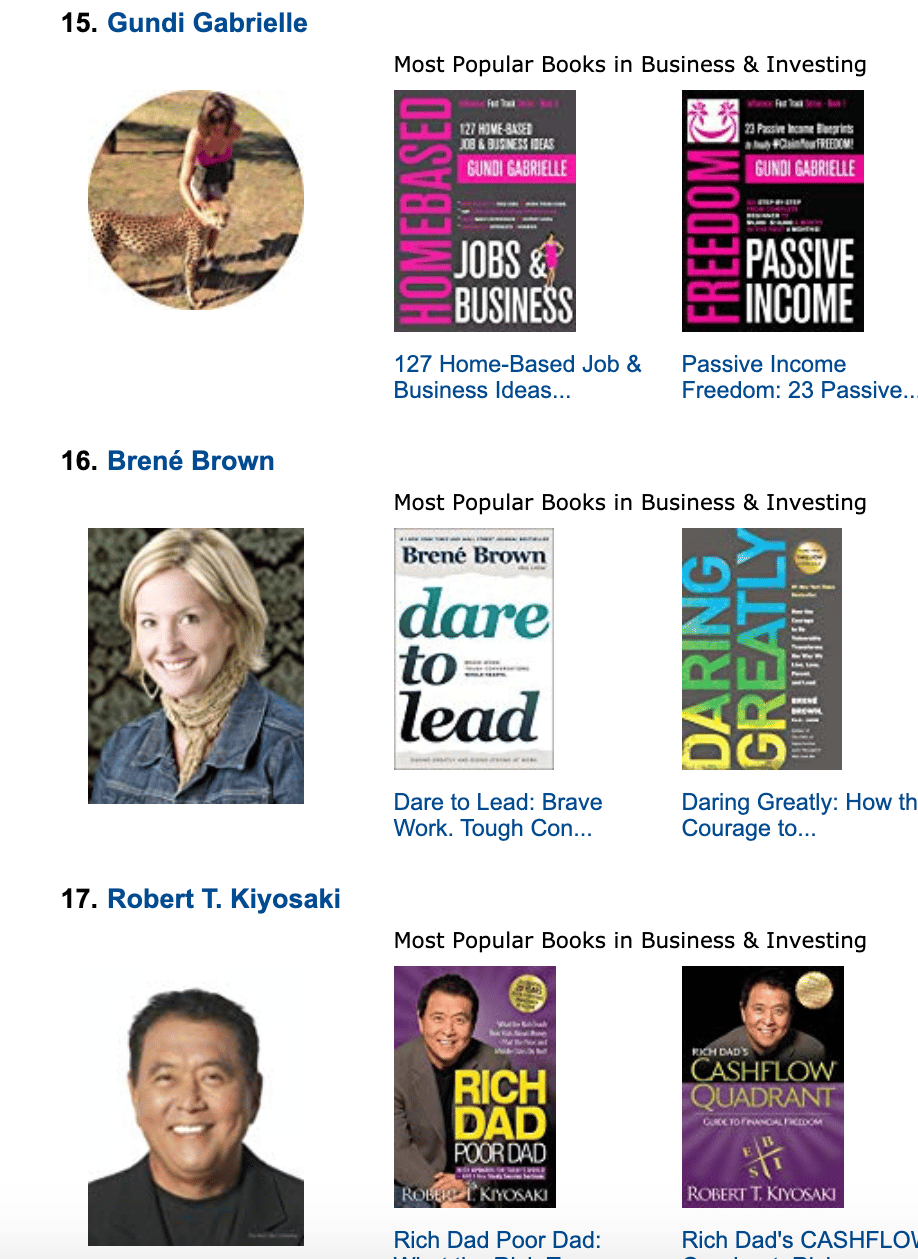
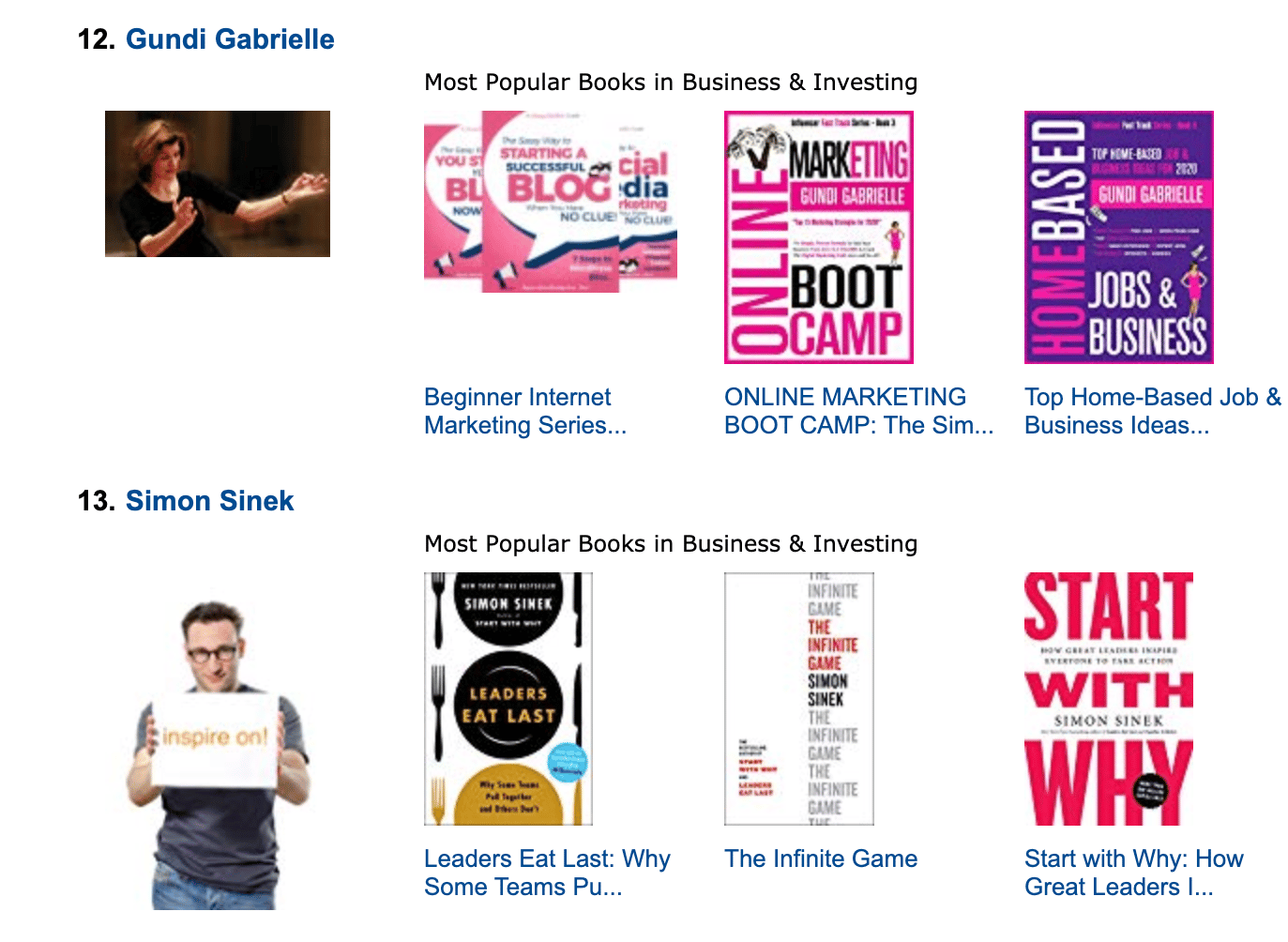
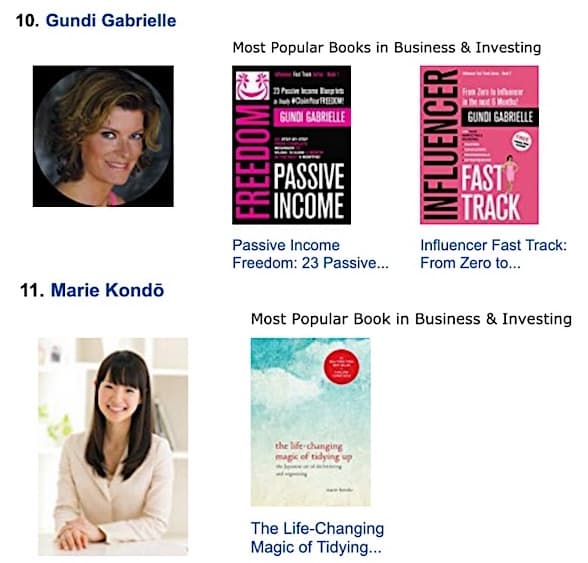
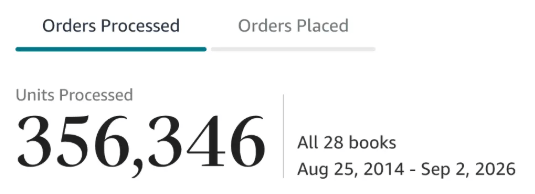
Along the way, I sold over 350,000 books, and was listed in Amazon's Top 100 Business Author Charts, ahead of authors like Simon Sinek, Brené Brown, Tim Ferriss, Robert Kiyosaki, or Brian Tracy.
No traditional publisher. No massive budget. Just understanding Amazon's algorithm and researching what readers actually want.
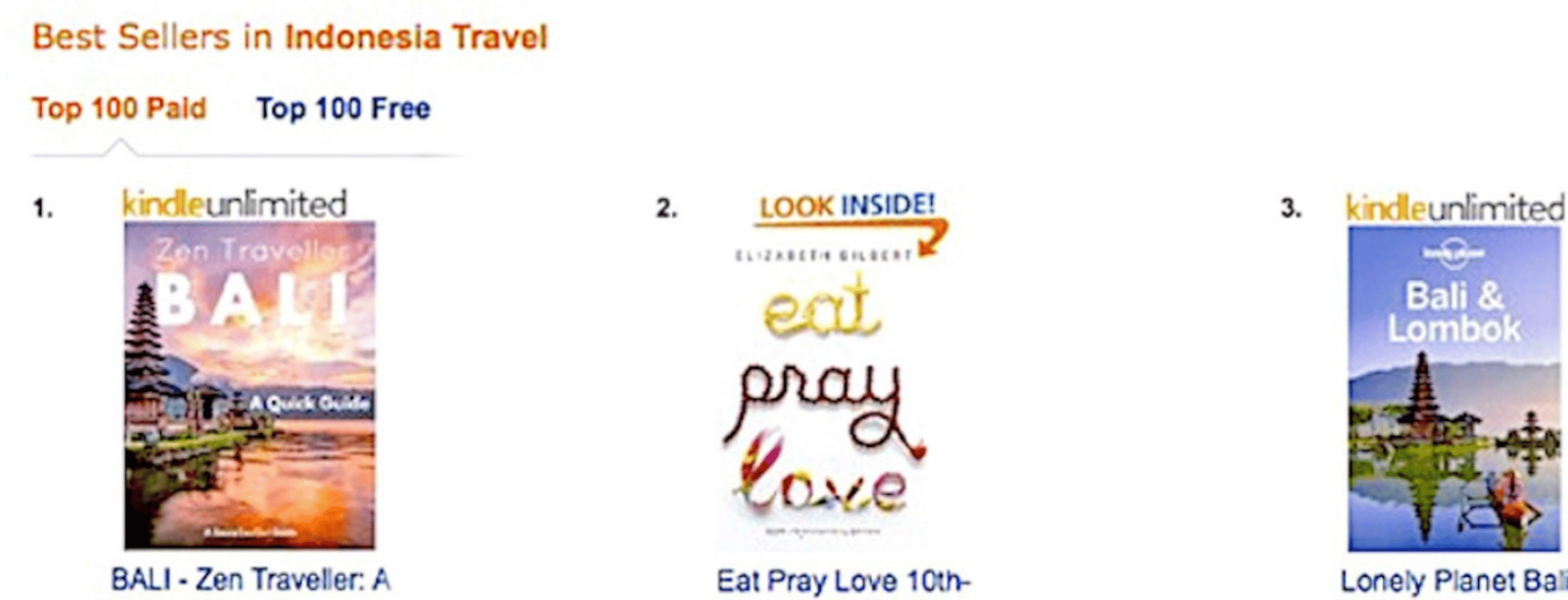
In my earlier years, I was a classical conductor & organist, touring the world, incl. Carnegie Hall & a performance for the Pope on St. Peter's Square.
These days, I love traveling as a Digital Nomad and orchestrating busy AI Agents 😎. Out of that came Golden Bestseller Empire — a complete AI-Powered Book Publishing Studio now helping authors around the world.
Can't wait to see you inside & help you publish your dream:
Featured In:
More on the Amazon Book Algorithm
Amazon Algorithm
Amazon KDP Algorithm: How It Works in 2027 (Amazon's New AI Algorithm Explained)
How the Amazon KDP algorithm works in 2027: keywords and sales, COSMO, Alexa for Shopping, and how a knowledge graph gets your book found.
Amazon Algorithm
Amazon COSMO Algorithm: What It Is and How Authors Can Use It
The Amazon COSMO algorithm maps why people buy. Here is what it is, what Amazon's own paper shows, and how to use it for your book, in plain English.
Amazon Algorithm
Alexa for Shopping for Authors: What Changed and What to Do
Alexa for Shopping replaced Rufus on May 13, 2026. Here is how it works for books and exactly what to put in your listing so readers get pointed to you.
Amazon Algorithm
Amazon A10 Algorithm for Authors: How It Ranks Your Book
The Amazon A10 algorithm decides which book shows up first. Here is how it works, where COSMO fits in, and what to do about it.
Amazon Algorithm
Knowledge Graph vs Keywords: Why Keywords Alone Aren't Enough on Amazon Anymore
Knowledge graph vs keywords on Amazon, in plain English: what each one does, why Amazon says search is not just matching keywords anymore, and how to use both. The seven backend keywords are only a small help.
Amazon Algorithm
What Is a Knowledge Graph for a Book? A Plain-English Guide for Authors
A knowledge graph for a book is a simple map of who it's for, what it does and when it's used. Here's what it is, why Amazon cares, and how to build yours.
Amazon Algorithm
COSMO and Alexa for Shopping: How They Work Together
COSMO figures out what a shopper means. Alexa for Shopping talks to them about it. Here is how COSMO and Alexa for Shopping fit together, in plain English, and what to do as an author.
Amazon Algorithm
COSMO Relations for Books: All 15 Explained (Plus the 3 Extra Ones for Authors)
The 15 COSMO relations from Amazon's paper explain why people buy. Here is each one in plain words, with the paper's example and what it looks like for a book.
Amazon Book Pages
Is Your Amazon Book Page Ready for AI Shopping?
Amazon's shopping assistant now answers questions and compares products in the search bar. Here's what that means for your Amazon book page, and what to check.
Amazon Algorithm
AI-Generated Books and the Amazon Algorithm: Why Specific Beats Generic
AI-generated books can rank on Amazon but rarely sell. Here is what KDP makes you disclose, why generic books lose, and the AI-assisted way to publish.
Want a faster way to plan and price your next book?
Golden Bestseller Empire's AI publishing tools help with exactly this kind of decision.