
COSMO Relations for Books: All 15 Explained (Plus the 3 Extra Ones for Authors)
The 15 COSMO relations from Amazon's paper explain why people buy. Here is each one in plain words, with the paper's example and what it looks like for a book.
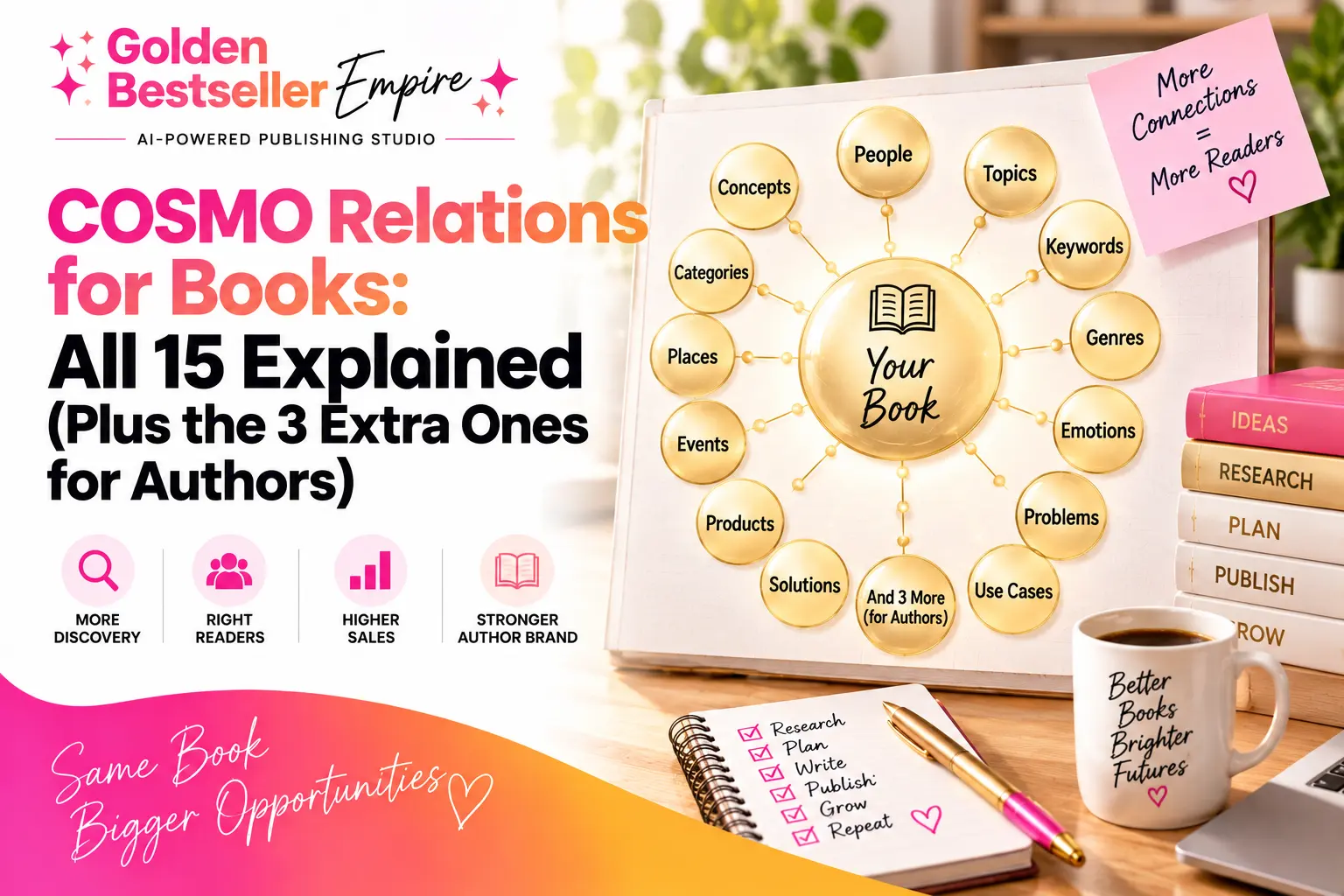
COSMO Relations
15 relation types, from Table 2 of Amazon's paper
Book Signals
Author, Series and Format make 18 for books
COSMO's Job
It matches shoppers to books. A9/A10 does the ranking
KDP Says
"We use the actual words that match inside the book"

By Gundi Gabrielle
12 min read
Alrighty, let's talk about COSMO relations... because this is the part of Amazon's research that changed how I plan a book.
COSMO is Amazon's system for figuring out what a shopper really wants when they type something into the search bar. The COSMO relations are the 15 kinds of reasons it looks for. Who is it for? What does it do? Where do you use it?
Once you know the COSMO relations, you can answer every single one in your book and your listing. Sound like a lot? It's really not. I'll walk you through each one.
This post is part of my Amazon KDP algorithm guide.
What are COSMO relations?
COSMO relations are the 15 types of connections Amazon uses to link a product to the reasons people buy it.
They come from Table 2 of Amazon's COSMO paper, titled "Mined e-commerce commonsense relations." Each relation has a name, like used_for_aud (used for audience), and a kind of answer it expects: a person, an activity, a place, a time.
Amazon built a giant map out of these. It's called a knowledge graph, which is just a web that shows how things connect to each other. The paper says it has 6.3 million nodes (the "things") and 29 million edges (the connections) across 18 product areas.
Here's what matters: the paper is about all products, so books aren't singled out. But a book is a product, and people buy books for the same kinds of reasons. So the relations fit.
Quick thing to clear up. COSMO does not rank your book. It figures out what the shopper means and pulls up the books that fit. Ranking is still Amazon's classic search algorithm (A9/A10), which looks at sales, conversion and relevance. I explain the full picture in the COSMO algorithm guide.
👑 Want these filled in without the homework? Golden Bestseller Empire builds them from your Book Planner answers. → See how it works
Where did the 15 COSMO relations come from?
Amazon's researchers started with four simple relations and let the data sharpen them into the 15 COSMO relations.
In Amazon's own write-up, they started with usedFor, capableOf, isA and cause. Then they kept the finer relations that kept showing up, "such as used_for_function, used_for_event, and used_for_audience," and ran the process again.
So nobody sat in a room and made up a list. These are the reasons that came up most often when real people searched and bought. That's why I trust them.
Which COSMO relations say who the book is for?
Three relations describe the reader: the role they have, the life they live, and the label they give the book.
- Used_For_Audience is the role. "For burned-out working moms." "For overwhelmed nurses." (The paper's example: "daycare worker.")
- Used_By is the situation. "For the partner who has nothing left." (The paper's example: "cat owner.")
- xIs_A is how the reader names the book in their own head. "A burnout recovery guide." Not the genre, but their own word for it. (The paper's example: "pregnant women.")
The difference is small, but it counts. The first is the job title, the second is the life, and the third is the label.
If your book is for "everyone," it's for nobody. Pick the reader.
👑 Not sure who your book is really for? Golden Bestseller Empire pins it down in the Book Planner. → See how it works
Which COSMO relations say what kind of book it is?
Two relations describe what the book is: its formal category and the reason someone buys it.
- Is_A is the category. "Self-help book." "Parenting guide." "Practical workbook." (Paper: "normal suit.")
- Used_As is the purchase occasion. "A gift for new mothers." "A book club pick." (Paper: "smart watch.")
One book can be both. A guide is a self-help book (Is_A) and also the perfect gift for a friend who's drowning (Used_As).
Which COSMO relations say what the book does?
Three relations describe what the book does for the reader: its job, its goal, and its result.
- Used_For_Func is the specific job. "Calming the nervous system." (Paper: "dry face.")
- Used_To is the bigger goal. "To stop feeling guilty by 6pm." (Paper: "build a fence.")
- Capable_Of is the transformation. "Breaking the burnout cycle for good." (Paper: "hold snacks." I love that one... :)
For nonfiction, these three do the heavy lifting. If you struggle to explain your book in one sentence, start here.
Which COSMO relations say when and where people use it?
Four relations describe the moment of use: the daily event, the time of year, the place, and the body.
- Used_For_Event is the exact daily moment. "The 5pm arrival chaos." "School drop-off." (Paper: "walk the dog.")
- Used_On is the time or season. "During maternity leave." "Back-to-school." (Paper: "late winter.")
- Used_In_Location is the place. "Bedside reading." "In the car." (Paper: "bedroom.")
- Used_In_Body is the physical side. "For cortisol crashes." (Paper: "sensitive skin.")
Used_For_Event is the one almost everybody skips, and it's gold. Every moment in your reader's day is another door into your book. So name the real moments, like the Tuesday 3pm crash, not "stressful times."
Used_In_Body only fits some topics, like sleep, stress or health. Skip it if it doesn't fit.
👑 Can't think of the daily moments? Golden Bestseller Empire helps you find them. → See the generators
Which COSMO relations say what the reader wants?
Three relations describe the reader's wishes: what they want, what they're drawn to, and what they pair the book with.
- xWant is the outcome in the reader's own words. "Stop snapping at my kids." (Paper: "play tennis.")
- xInterested_In is the bigger interest. "Somatic healing." "Slow living." (Paper: "herbal medicine.")
- Used_With is what goes alongside. "A guided journal." "Therapy." (Paper: "surface cover.")
xWant is the one to listen for. It's how your reader talks when nobody's watching, and it's perfect for your description. And Used_With shows Amazon (and your reader) that your book plays well with others.
What are the three book-only relations?
On top of the paper's 15, I map 3 more that only matter for books: Author, Series and Format.
- Author is you. Your credentials, your story and your author page.
- Series is the name that groups your books. "Book 1 in the Calm Mom Method." A series name creates a cluster, and each book in it can own its own topic.
- Format is Kindle, paperback or audiobook. It affects how Amazon personalizes results for each shopper.
Those 3 plus the 15 give you 18. That's the map I use with every book.
Which COSMO relations should you fill in first?
Start with the reader, the result, and the daily moment, because those carry the most weight.
If 18 feels like a mountain, here's the order I'd climb it:
- Used_For_Audience. Who is this for? One clear reader.
- Used_For_Func and Capable_Of. What does the book do, and what changes for them?
- Used_For_Event. The exact moment in their day they'd reach for it.
- xWant. The outcome, in the words they'd use at the kitchen table.
Do those four and you've covered the heart of the book. Then add the rest as they fit. Some won't. That's okay.
How do COSMO relations show up in your chapter subheaders?
Every chapter title and subheader is another chance to confirm a COSMO relation, so give each one a job.
Here's how I spread them out:
- Introduction subheaders cover xIs_A, Is_A and Used_For_Func. This is the page readers see first in the sample, so it matters most.
- Chapter 1 subheaders mirror your reader's real day: Used_For_Event, Used_By and xWant.
- Method chapters each lean on a different group, so no two feel the same.
- The final chapter shows the finished change: Capable_Of, with the xWant finally answered.
Does that mean planning every subheader? Yes... and it also makes the book so much easier to write. You always know what the next page is for.
Do you need all 18, and do COSMO relations rank your book?
No, and no. You don't need every single one, and COSMO relations help Amazon match your book to the right shopper. They don't rank it.
Here's the part I love. In the paper, more than one-third of the search-to-buy explanations were "typical," meaning the most common reason people search, while only 9% of co-purchase ones were. So one clear, typical reason beats five vague ones.
Ask yourself: is this what most buyers in my niche want? If it's an edge case, cut it.
So COSMO gets the right shoppers to your door. Your cover, description and reviews still have to earn the sale.
👑 Want to see your own 18-point map? Golden Bestseller Empire turns your blueprint into a knowledge graph. → See the knowledge graph
How do COSMO relations turn into question bubbles and tags?
Amazon reads the phrases in your listing, matches them to COSMO relations, and shows them to shoppers as question bubbles and "Customers Say" tags.
That means your own copy seeds them, even before you have reviews. A brand-new book can get bubbles from the description alone.
Here's the part I love, because you control it:
- Write "This book includes 10 exercises per chapter," and Amazon can ask "Does it include exercises?"
- Leave that sentence out, and that bubble can't appear.
So here's my test. Could every question a shopper might ask be answered in one sentence from your description? If yes, you're in good shape.
Where do you put COSMO relations in your book and listing?
Put the COSMO relations in your description, your subtitle, your introduction and your chapter subheaders, in plain words.
Amazon has confirmed it: your manuscript is read, and it matters for where your book shows up. KDP says that "when customers search for books on Amazon.com, we use the actual words that match inside the book" (KDP Help). The same page says the sample shows 10% of an eBook.
So the introduction is the most valuable page you'll write. Here's how I spread things out:
- Subtitle: reader and outcome. Title plus subtitle must stay under 200 characters (KDP Help).
- Description: KDP calls it a "30-second elevator pitch." Lead with the reader and the result.
- Introduction: cover all 18, in the reader's own words.
- Chapter subheaders: 4 to 6 per chapter, phrased as the reader's real situation.
- Author page: your Author signal.
- Backend keywords: a smaller helper. Your title, subtitle and description do the heavy lifting, and KDP gives you up to seven short phrases a reader would really type.
You never write "used_for_event" anywhere. You just answer it.
What mistakes should you avoid?
Three mistakes: stuffing, contradicting, and being vague.
- Stuffing. Cramming every relation into one sentence reads badly to people, and people buy the book.
- Contradicting. Don't say two opposite things about your reader.
- Vagueness. "Anyone who wants to improve" isn't an audience.
Keep it natural. A listing that sounds like a human beats one that ticks every box.
What does a full set of COSMO relations look like?
Here's one sample book, "Working Mom Guilt Reset," with every relation answered in plain words. Yours will be different, and that's the point.
| Relation | Example answer |
|---|---|
| --- | --- |
| Used_For_Audience | Burned-out working moms |
| Used_By | A partner who has nothing left |
| xIs_A | A burnout recovery guide |
| Is_A | Self-help book |
| Used_As | A gift for new mothers |
| Used_For_Func | Calming the nervous system |
| Used_To | Stop feeling guilty by 6pm |
| Capable_Of | Breaking the burnout cycle |
| Used_For_Event | The 5pm arrival chaos |
| Used_On | After returning to work |
| Used_In_Location | Bedside reading |
| Used_In_Body | Cortisol crashes |
| xWant | Stop snapping at my kids |
| xInterested_In | Somatic healing |
| Used_With | A guided journal |
| Author | Certified burnout coach and mom of three |
| Series | Book 1 in a named series |
| Format | Kindle and paperback |
How does Golden Bestseller Empire map your COSMO relations?
Golden Bestseller Empire is the only app with an AI generator that maps all 18 relations for you with one click, straight from your own Book Planner blueprint.
Here's how it works:
- You write the blueprint. In the Book Planner you answer guided questions about your reader, their biggest problem and the change you promise. Your answers, your words.
- You click Generate. The Knowledge Graph Generator pulls everything from your blueprint and starts from your Core Entity:
Reader + Primary Gap → Transformation = Core Entity
- It fills in all 18 relations, each in your reader's own words. Here's a real output for a sample book:
- You see it as a map:
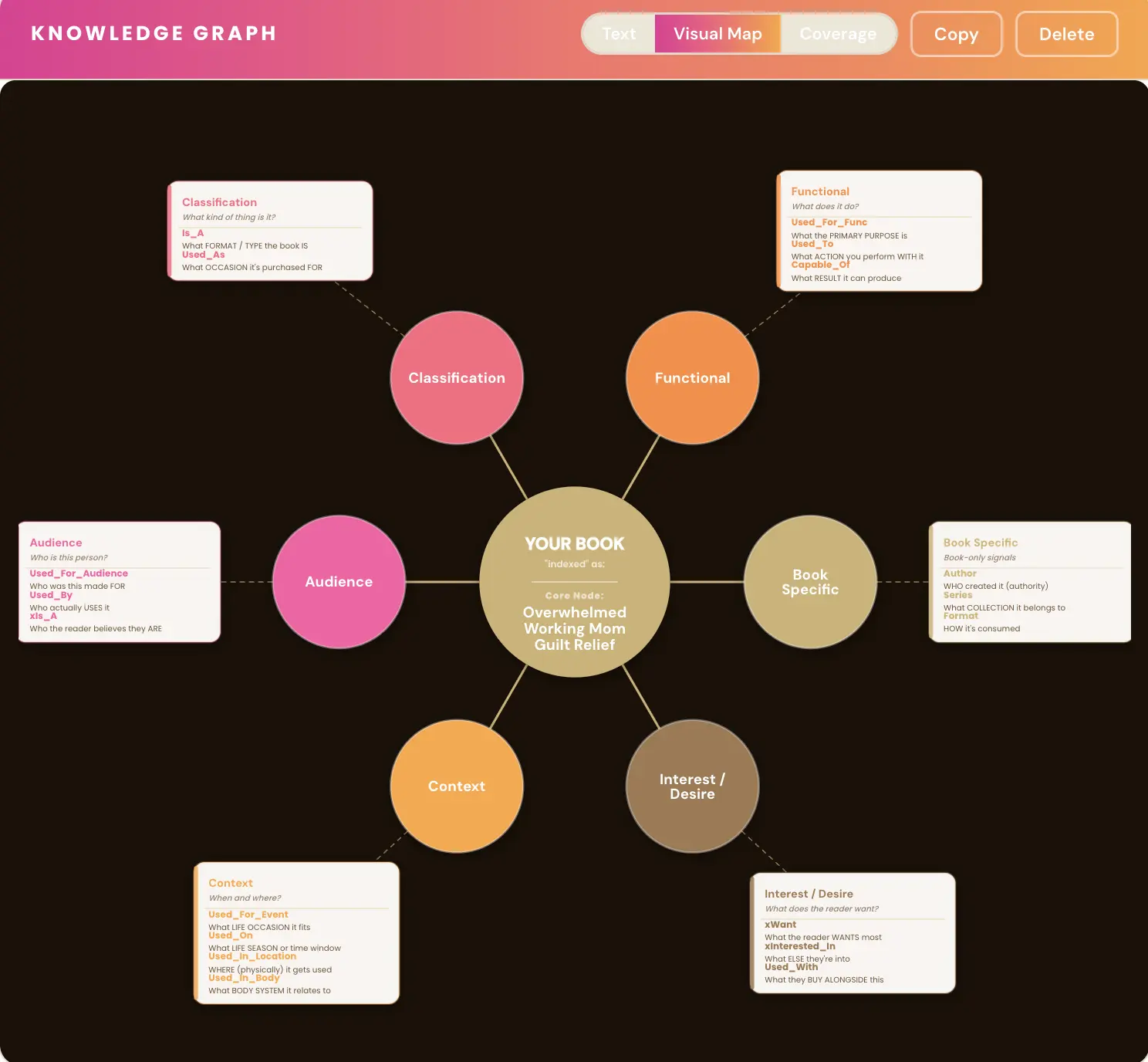
That one map then builds your book description, A+ content, backend keywords, translations and Amazon ads keywords. Everything says the same thing, because it all comes from the same map. I don't know of another app that does this.
It's AI-assisted, and you write the book. I used the app to write and publish AI for Beginners (Blissful Kittens Explain). It was faster and easier, and it hit #1 within 3 days.
Related reading
- The COSMO algorithm explained for authors shows where COSMO fits next to ranking.
- What is a knowledge graph? shows how the relations become one connected map.
- Get your book page ready for AI shopping walks through the listing side.
- KDP Metadata Guidelines
What should you remember about COSMO relations?
There are 15 COSMO relations in Amazon's paper, plus 3 for books, and your job is to answer each one clearly, in your reader's own words.
Don't stress about the names. Know your reader, what the book does for them, and the moments they'll reach for it. Pick one chapter today and answer its relations.
That's all it takes to make COSMO relations work for your book... let's rock it!
Frequently Asked Questions
How many COSMO relations are there?
Amazon's COSMO paper lists 15 relations, such as used_for_func, used_for_aud, used_in_loc and xWant. For books, I map 3 more, which makes 18 COSMO relations.
What are the three book-only relations?
Author, Series and Format. Author is you and your credentials, Series groups your books into a cluster, and Format (Kindle, paperback, audiobook) affects how results are personalized.
Does COSMO decide where my book ranks?
No. COSMO figures out what the shopper means and brings up the right books. Ranking is still done by Amazon's search algorithm (A9/A10), based on sales, conversion and relevance.
Do I need to cover all 18 relations?
No. Cover the ones that fit your book and skip the rest. Start with your reader, what the book does for them, and the daily moments they will use it.
Does Amazon read the words inside my book?
Yes. KDP says that when customers search, "we use the actual words that match inside the book." That is why your introduction and chapter subheaders matter so much.
Which relation do most authors skip?
Used_For_Event, the exact daily moment. Name real moments like school drop-off or the Tuesday 3pm crash, and every one becomes another way into your book.
Sources & Citations
- COSMO: A Large-Scale E-commerce Common Sense Knowledge Generation and Serving System at Amazon (SIGMOD-Companion 2024)
- Amazon Science: Building commonsense knowledge graphs to aid product recommendation
- KDP Help: Read Sample (Look Inside the Book)
- KDP Help: Metadata Guidelines for Books
This page is maintained independently and is not affiliated with Amazon. Always double-check the latest numbers inside your own KDP account before making pricing decisions.
Found this useful? Get more of this site in your Google.
One tap adds us as a preferred source — Google then shows you our posts more often in Search, Top Stories, and AI Overviews.
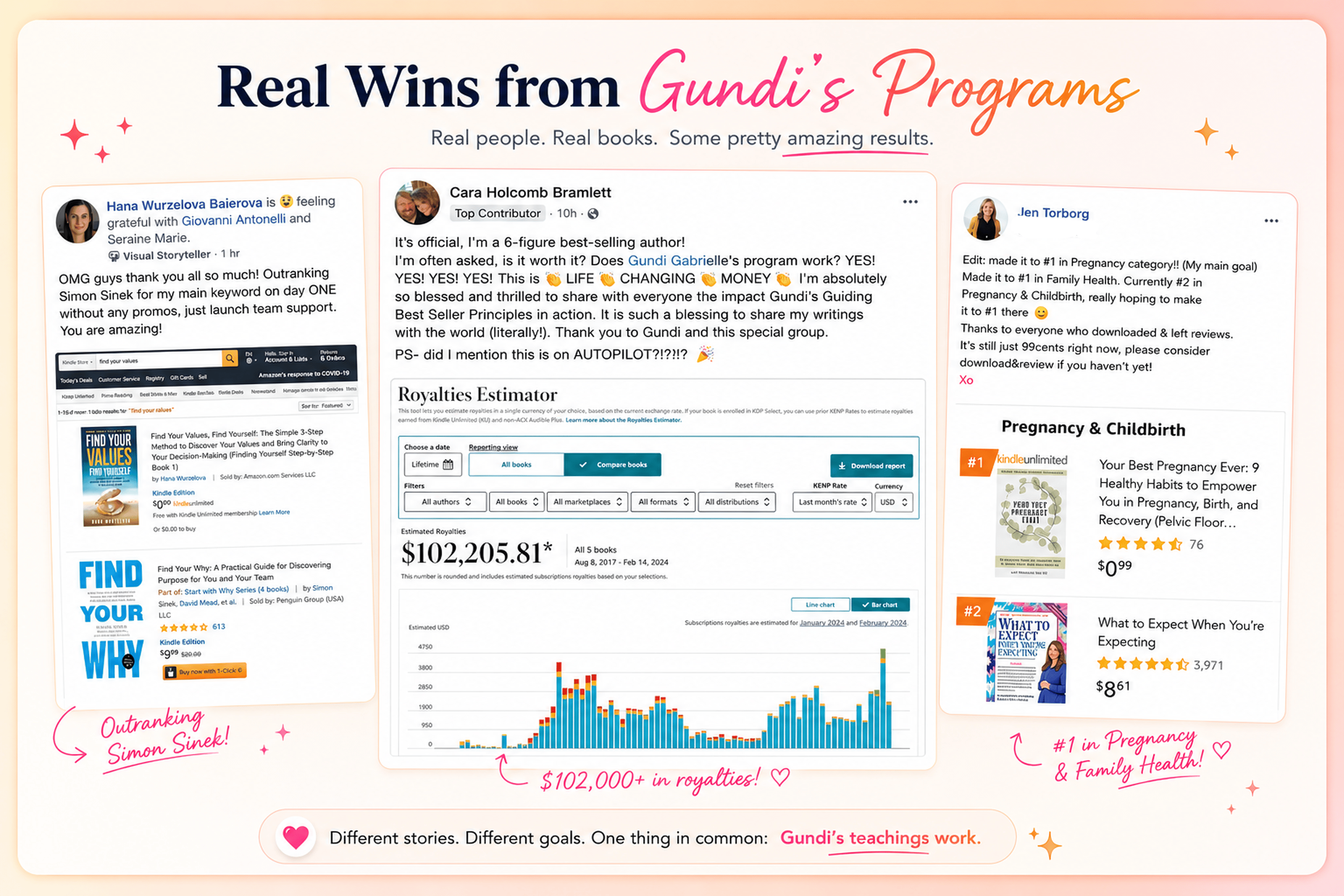
Created By

Top 100 Business Author · Carnegie Hall Conductor · Founder of Golden Bestseller Empire
Hey, I'm Gundi, and for over a decade, I've helped thousands of everyday people turn what they know into a bestselling book.
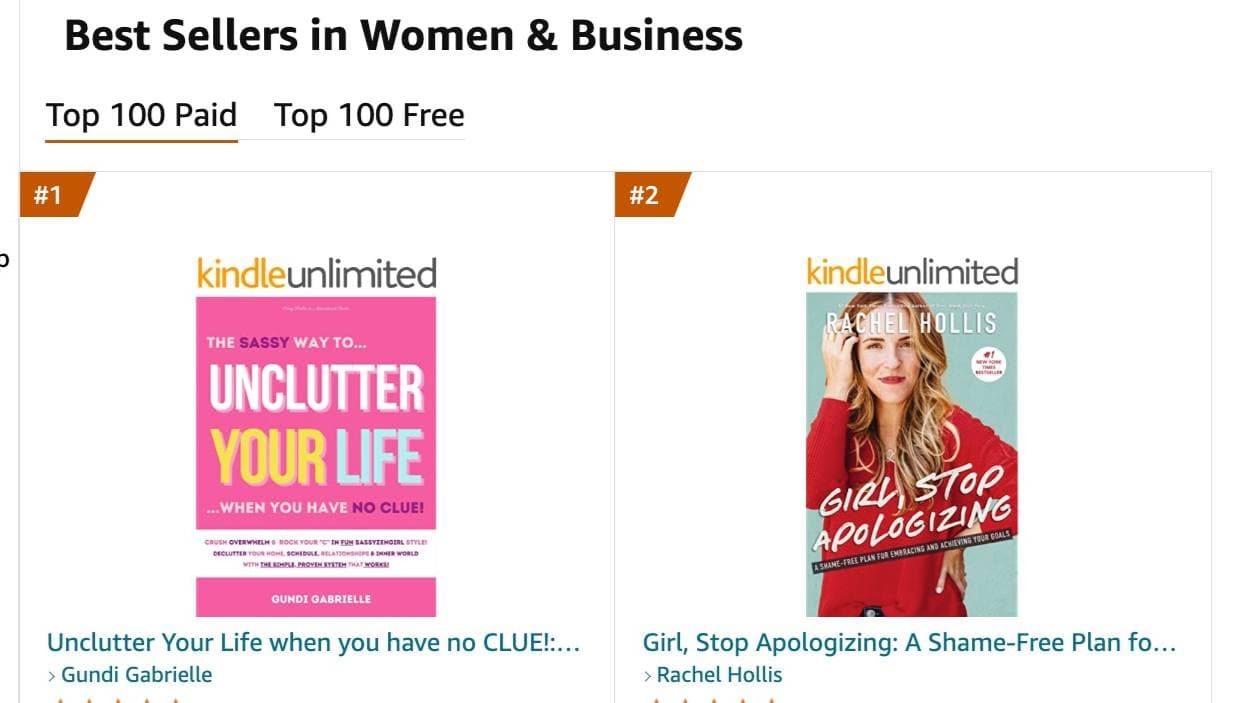
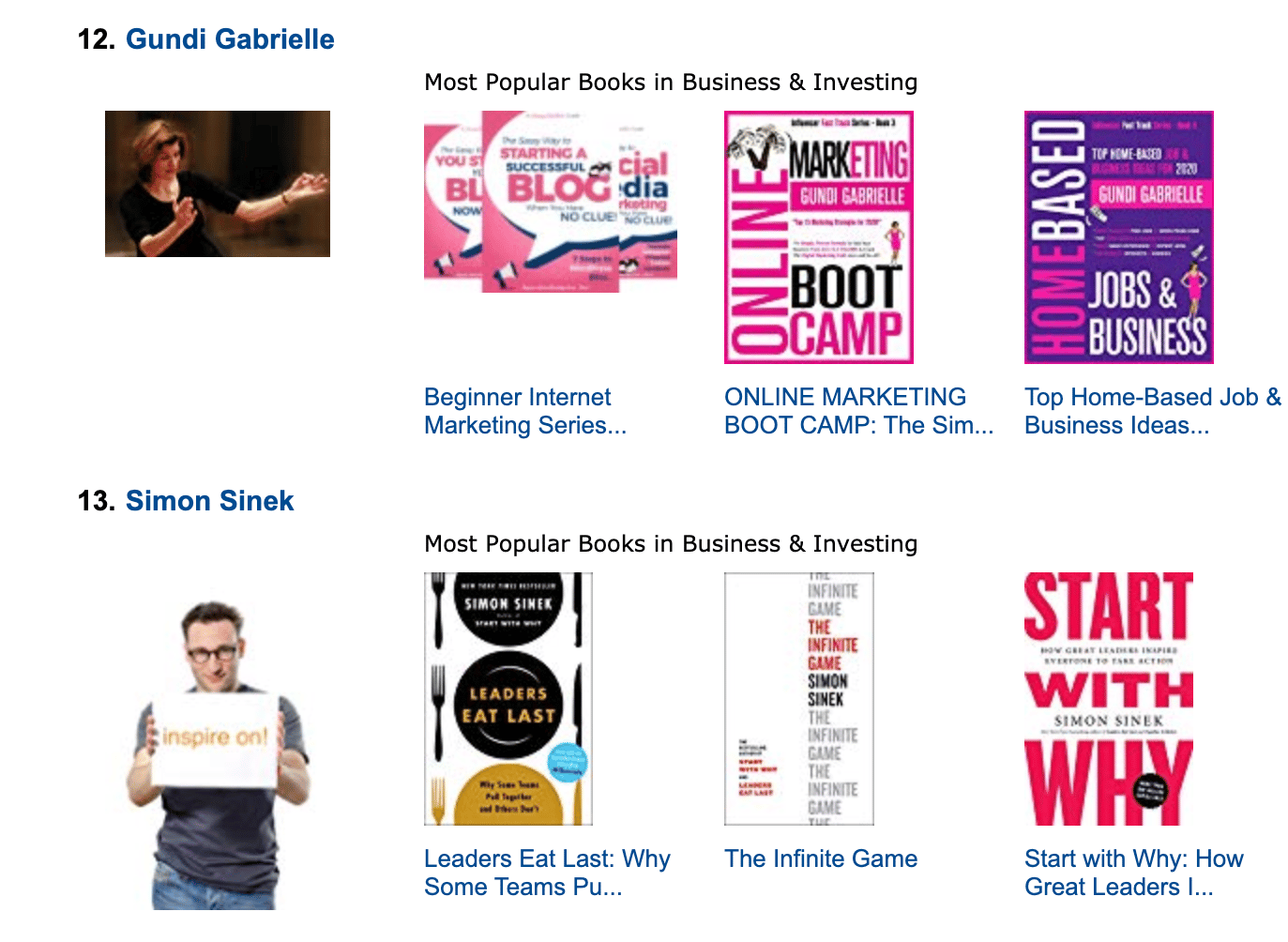
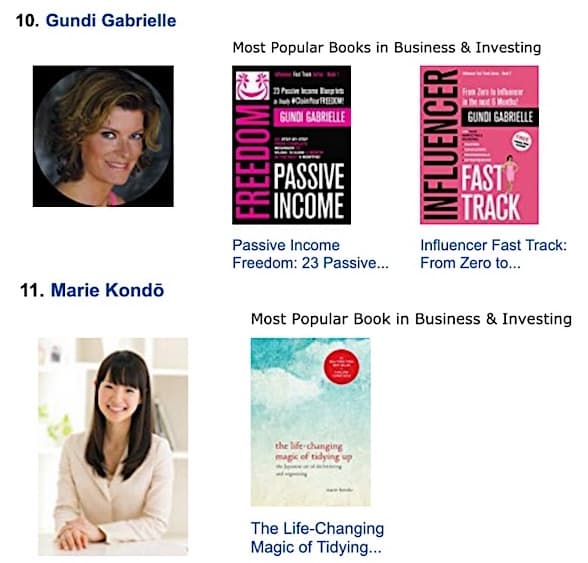
Along the way, I sold over 350,000 books, and was listed in Amazon's Top 100 Business Author Charts, ahead of authors like Simon Sinek, Brené Brown, Tim Ferriss, Robert Kiyosaki, or Brian Tracy.
No traditional publisher. No massive budget. Just understanding Amazon's algorithm and researching what readers actually want.
In my earlier years, I was a classical conductor & organist, touring the world, incl. Carnegie Hall & a performance for the Pope on St. Peter's Square.
These days, I love traveling as a Digital Nomad and orchestrating busy AI Agents 😎. Out of that came Golden Bestseller Empire — a complete AI-Powered Book Publishing Studio now helping authors around the world.
Can't wait to see you inside & help you publish your dream:
Featured In:
More on the Amazon Book Algorithm
Amazon Algorithm
Amazon KDP Algorithm: How It Works in 2027 (Amazon's New AI Algorithm Explained)
How the Amazon KDP algorithm works in 2027: keywords and sales, COSMO, Alexa for Shopping, and how a knowledge graph gets your book found.
Amazon Algorithm
Amazon COSMO Algorithm: What It Is and How Authors Can Use It
The Amazon COSMO algorithm maps why people buy. Here is what it is, what Amazon's own paper shows, and how to use it for your book, in plain English.
Amazon Algorithm
Alexa for Shopping for Authors: What Changed and What to Do
Alexa for Shopping replaced Rufus on May 13, 2026. Here is how it works for books and exactly what to put in your listing so readers get pointed to you.
Amazon Algorithm
Amazon A10 Algorithm for Authors: How It Ranks Your Book
The Amazon A10 algorithm decides which book shows up first. Here is how it works, where COSMO fits in, and what to do about it.
Amazon Algorithm
Amazon Book Ranking Algorithm: What Really Moves Your Book Up
The Amazon book ranking algorithm in plain English: what KDP says counts, what Best Sellers Rank really measures, and what you can do about it.
Amazon Algorithm
Knowledge Graph vs Keywords: Why Keywords Alone Aren't Enough on Amazon Anymore
Knowledge graph vs keywords on Amazon, in plain English: what each one does, why Amazon says search is not just matching keywords anymore, and how to use both. The seven backend keywords are only a small help.
Amazon Algorithm
What Is a Knowledge Graph for a Book? A Plain-English Guide for Authors
A knowledge graph for a book is a simple map of who it's for, what it does and when it's used. Here's what it is, why Amazon cares, and how to build yours.
Amazon Algorithm
COSMO and Alexa for Shopping: How They Work Together
COSMO figures out what a shopper means. Alexa for Shopping talks to them about it. Here is how COSMO and Alexa for Shopping fit together, in plain English, and what to do as an author.
Amazon Book Pages
Is Your Amazon Book Page Ready for AI Shopping?
Amazon's shopping assistant now answers questions and compares products in the search bar. Here's what that means for your Amazon book page, and what to check.
Amazon Algorithm
AI-Generated Books and the Amazon Algorithm: Why Specific Beats Generic
AI-generated books can rank on Amazon but rarely sell. Here is what KDP makes you disclose, why generic books lose, and the AI-assisted way to publish.
Want a faster way to plan and price your next book?
Golden Bestseller Empire's AI publishing tools help with exactly this kind of decision.