
AI-Generated Books and the Amazon Algorithm: Why Specific Beats Generic
AI-generated books can rank on Amazon but rarely sell. Here is what KDP makes you disclose, why generic books lose, and the AI-assisted way to publish.
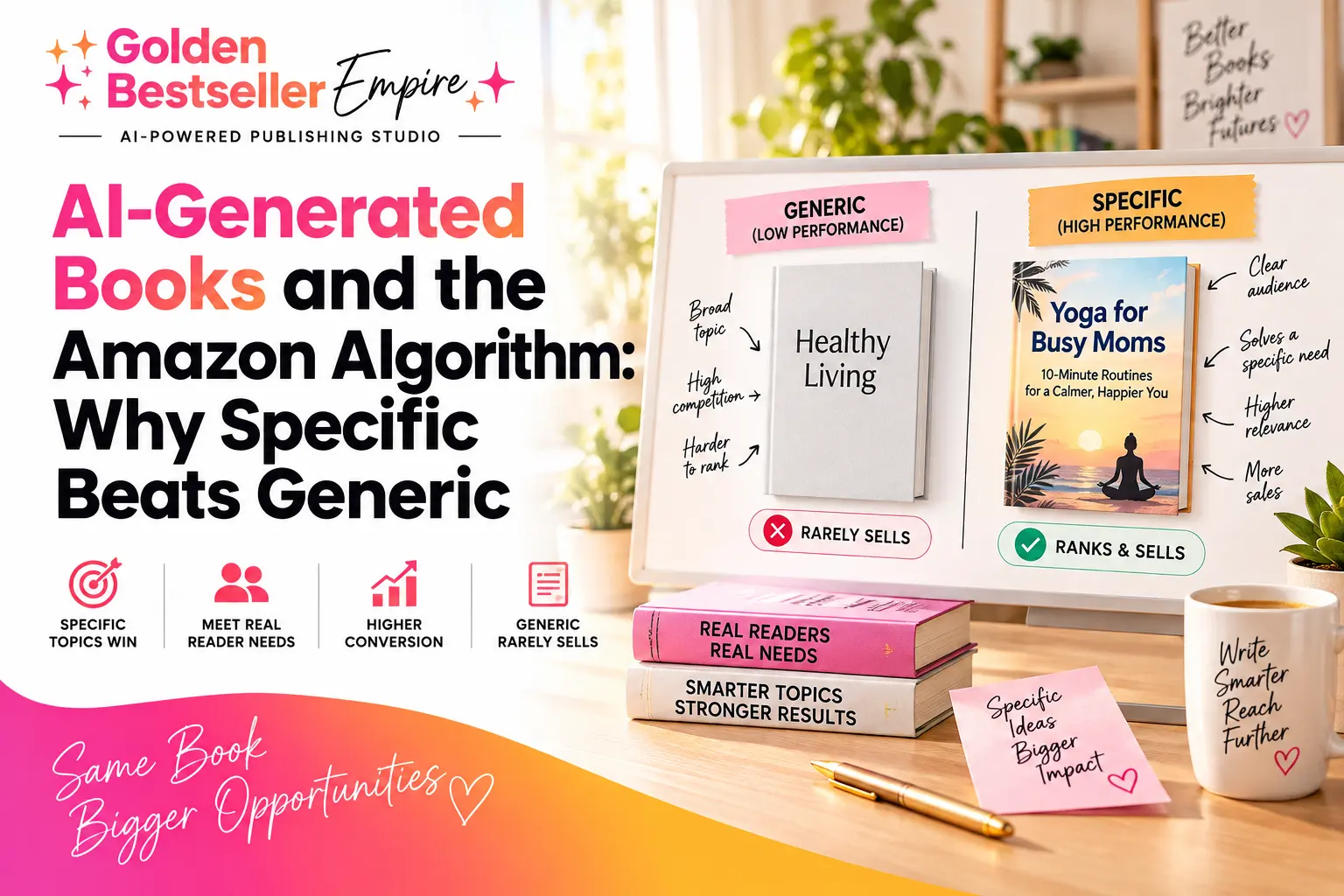
KDP Rule
Disclose AI-generated text, images, and translations
The Trap
AI books can rank #1 and still sell almost nothing
No Knowledge Graph
AI book generators have zero optimization for Amazon's new algorithm
The Fix
AI-assisted: you write it, the plan is algorithm-ready

By Gundi Gabrielle
12 min read
Alrighty, let's talk about AI-generated books and the Amazon algorithm, because a lot of apps promise you a whole book in minutes... and then leave out the part about what happens next.
Here's the short version: Amazon makes you tell them when AI wrote your book, and AI-generated books are usually generic, which gives the algorithm very little to work with. Both of those hurt you.
And here's the part nobody tells you: AI book generators don't build a knowledge graph. That means ZERO optimization for Amazon's new algorithm. I'll show you exactly what that means, and the only way I know to fix it.
I'll show you how AI-generated books really perform, and then the better way. This post is part of my Amazon KDP algorithm guide.
What are AI-generated books on Amazon KDP?
AI-generated books are books where an AI tool created the text, images, or translations, even if you edited it heavily afterwards.
That's straight from KDP's Content Guidelines: "We define AI-generated content as text, images, or translations created by an AI-based tool." It stays AI-generated "even if you applied substantial edits afterwards."
AI-assisted is different. That's when you wrote it and used AI to edit, refine, or error-check your own work. KDP says: "You are not required to disclose AI-assisted content."
So the line is simple. Who made the words, you or the tool? If it was the tool, you're publishing one of the AI-generated books KDP asks about.
I walk through the exact KDP screen in Can You Publish AI Books on Amazon KDP?.
👑 Want to stay on the right side of that line? Golden Bestseller Empire is AI-assisted. You write your book. → See how it works
Can AI-generated books still rank on Amazon?
Yes, and that's exactly the trap. AI-generated books can sit at the top of search results and still sell almost nothing.
I looked at the top two results for "working mom burnout." Both were AI-generated books, published between March and May 2026. Both had zero or almost no sales. The number one result had a Best Sellers Rank of #1,313,604.
Yep. Number one in search with practically no real buyers.
How? The title was stuffed with every keyword you can imagine. Amazon's search matches words first, so a title full of the right words gets in the door. But people scroll right past a title like that, because it reads like it was built by a machine. No clicks, no sales, no reviews.
Ranking and selling are two different things. That AI-generated book got the first. It never got the second.
Does Amazon flag AI-generated books?
Yes. Fully AI-generated books get flagged, and they're harder to rank.
You also have to disclose AI-generated content when you upload. If you don't, you risk the book being removed and your account being suspended. That's a lot of risk for one of those AI-generated books that was never really yours.
Then there's quality. KDP's Guide to Kindle Content Quality says "any Critical Issue will result in the book being removed from sale until corrections are made." It also lists "content that is excessively reused, recycled, or repeated within or across books" as disappointing content.
Think about what a quick generated manuscript tends to be full of. Typos. Repeated sections. Pages that say the same thing five ways. That's the stuff on that list.
👑 Want a check before you hit publish? Golden Bestseller Empire has a proofreader and page preview built in. → See the writing studio
Why do generic AI-generated books lose with Amazon's algorithm?
Generic AI-generated books lose because Amazon's system is built to match a book to the exact reason someone is searching, and "a powerful guide to transform your life" matches nobody.
Quick explainer. Amazon has a system called COSMO. It's a knowledge graph, which is just a big web of things connected by named relationships. COSMO maps what a shopper means to the right ideas in that web: who the book is for, what it does, when it gets used.
COSMO is not what ranks your book. Think of it as the matchmaker. It hands the right candidate books to Amazon's ranking algorithm, A9/A10, and that one decides who shows up first, based on sales velocity, conversion rate, and relevance. I break that down in my Amazon COSMO guide.
Here's why that kills generic books. In Amazon's own COSMO research paper, 35% of search-to-purchase connections were "typical," meaning the most common, default reason people search in that niche. Only about 9% of the co-purchase ones were.
Amazon trusts the typical stuff far more.
So one precise idea beats five vague ones. One of those AI-generated books that tries to be for everyone ends up being the typical choice for no one.
Are AI-generated books optimized for Amazon's new algorithm?
No. AI-generated books have ZERO optimization for Amazon's new algorithm, because the generators behind them never build a knowledge graph.
Quick refresher: Amazon's new system, COSMO, works from a knowledge graph, a web of connected ideas about your book. It asks who the book is for, what it does, when it's used and what the reader wants. A generator just makes text. It never asks any of those questions. So here's what's missing from AI-generated books:
- No Core Entity. Nobody decided the one idea Amazon should file the book under.
- No relations filled in. None of the 18 relations (audience, function, context, desire and more) are covered on purpose.
- No reader language. There are no intent strings, the way real readers type or say their search.
- No matching listing. The description, A+ content, backend keywords and ads keywords say different things, or nothing useful at all.
Zero. Not "a little behind." Nothing in those AI-generated books was built for the way Amazon now finds books.
How can you spot AI-generated books before you buy or publish one?
You can spot AI-generated books by the same few signs, and these are the ones I look for first.
- A title stuffed with keywords. It reads like a search query, not like something a person would say.
- A subtitle that promises everything. "Proven strategies to transform your life" fits any book on any shelf.
- Chapters that repeat themselves. The same point shows up five times in slightly different words.
- No story and no real person. There's no "this happened to me" anywhere, because the tool has no life to draw from.
- No author you can find. Nobody to Google, no website, no voice.
Here's a mini test: cover the title and read one page. If you can't tell who wrote it or who it's for, you're looking at one of the AI-generated books I'm talking about.
What does a specific book look like next to a generic one?
A specific book names the reader, the outcome, and the exact moment in their day.
- Generic: "A powerful guide to transform your life." Specific: "A calm evening reset for working moms who feel guilty at bedtime."
- Generic: "Proven strategies for success." Specific: "A ten-minute routine to stop snapping at your kids at 5pm."
- Generic: "For anyone who wants to improve." Specific: "Written by a burnout coach and mom of three."
Notice the specific side gives the algorithm real things to grab. A reader. A problem. A moment. Amazon's research maps 15 of these relationships, like who it's for, what it's used for, and when. For books I map 18, because books also have an Author, a Series, and a Format.
The specific side also sounds like a person wrote it for another person. That's what readers buy. I show how to build this web for your own book in what is a knowledge graph.
Does Amazon read what's inside your book?
Yes. Amazon indexes the actual text inside your book, and that's where a generic manuscript really falls apart.
KDP's Read Sample page says it plainly: "we use the actual words that match inside the book to return the best possible selection of books."
So your table of contents, your introduction, and your chapter subheaders are all searchable text. The preview window shows about the first 10% of the book, and the introduction does more algorithm work than the rest of the chapters put together.
AI-generated books tend to fill those pages with filler. A book written for one real reader fills them with that reader's real words and moments, like "after a hard meeting" or "the 5pm arrival chaos." Those are the phrases people actually search.
👑 Want your intro to do the heavy lifting? Golden Bestseller Empire plans it around your reader. → Start with the Book Planner
What's the difference between AI-generated books and AI-assisted books?
AI-generated books come from a tool that writes the manuscript for you. AI-assisted books come from you, with an assistant that helps you plan, edit, and publish.
| AI-generated books | AI-assisted (Golden Bestseller Empire) | |
|---|---|---|
| --- | --- | --- |
| Who writes the book | The tool | You |
| KDP disclosure | Yes, for AI-generated text | Not for AI-assisted work |
| Who it's for | Often everybody | One real reader |
| Knowledge graph | None, so zero optimization | Built with one click from your blueprint |
My authors tell me they want to be proud to put their name on a book. They don't want AI faking one. That's why I built Golden Bestseller Empire as an assistant. You write it, or you dictate it out loud. Your stories, your voice.
Think of the writing studio like Microsoft Word, with a team around you. It's where you write and format.
What does Golden Bestseller Empire do that other book apps don't?
Golden Bestseller Empire is the only app with an AI generator that builds your knowledge graph with one click, straight from your own Book Planner blueprint.
Most tools just make text, or format it. I don't know of another app that builds the knowledge graph for you. Here's how it works, step by step:
- You write the blueprint. In the Book Planner you answer guided questions about your reader, their biggest problem, what makes your book different, and the change you promise. These are your answers, in your words. That's your blueprint.
- Your answers load automatically. The Knowledge Graph Generator pulls everything it needs from that blueprint. Your related themes come in already filled out, so you just check them.
- You click Generate. One click. The app starts from your Core Entity, the one idea your book owns:
Reader + Primary Gap → Transformation = Core Entity
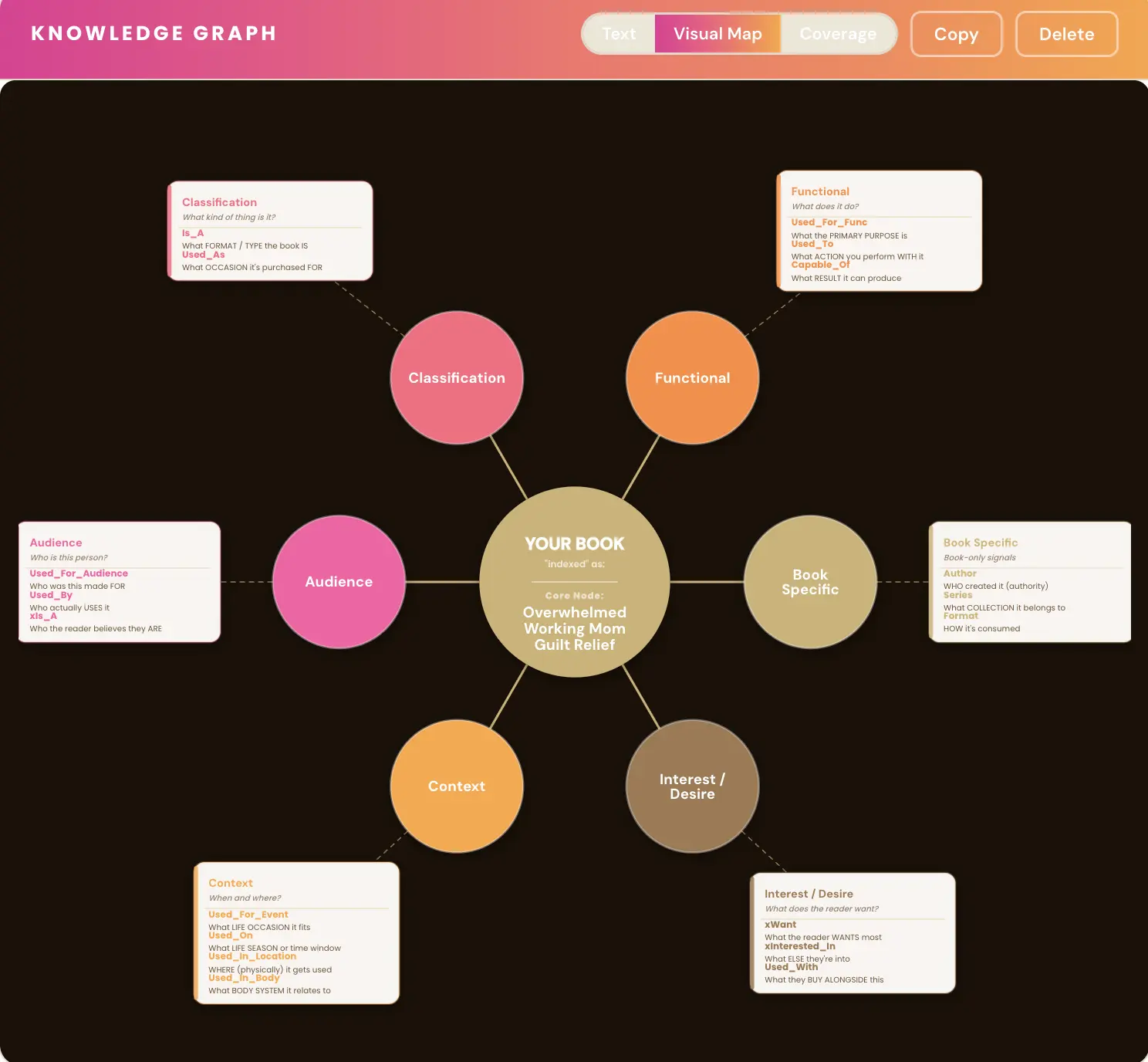
- It builds the whole graph. All 18 relations, across six groups, each filled with phrases in your reader's own words, plus the exact way readers search for each one. Here's a real output for a sample book:
- You see it as a map. The same graph as a visual map, so you can spot at a glance what your book covers:
- That one graph builds everything else. Your outline and chapter subheaders, your:
- Book description
- A+ content
- Backend keywords
- Translations
- Amazon ads keywords
Everything says the same thing, in the same words, in every place Amazon looks. And you wrote the blueprint. The app does the heavy lifting from there.
I used it to write and publish AI for Beginners (Blissful Kittens Explain). It was faster and easier, and it hit #1 on Amazon within 3 days.
You also get the full publishing course, built from 10+ years of publishing and 350,000+ books sold.
Is it still okay to use AI for your book?
Absolutely. I'm a big fan of AI, and it's a huge help with research, planning, editing, and all the publishing busywork.
I just don't want it writing my books. The ideas, stories, and voice should be yours.
And if you ever use AI for your cover, interior images, or a translation, answer KDP's AI question honestly for those too. Text, images, and translations are asked about separately. KDP says AI-generated images "include cover and interior images and artwork."
👑 Want AI help with your name on every word? Golden Bestseller Empire assists. You write. → See what's inside
What should you check before publishing an AI-assisted book?
Check five things: facts, voice, disclosure, quality, and your listing.
- Facts. Verify every name, date, and quote.
- Voice. Read it out loud. Does it sound like you?
- Disclosure. Answer KDP's AI question honestly for text, images, and translations.
- Quality. Look for typos, formatting problems, and broken links.
- Listing. Make the reader, the outcome, and the moment crystal clear.
Your listing matters more than most people think. My post on getting your book page ready for AI shopping shows you what to look at.
What about publishing lots of AI books quickly?
Don't. KDP limits you to 2 new titles per format each week, and its quality rules go after repeated content across books.
KDP's Create a Book page says you can create "up to 2 titles per book format each week." I explain the details in my KDP title limit post.
And honestly, speed is the whole temptation with generated books. Ten generic books that nobody buys don't add up to much. One book made for one real reader beats all ten.
Related reading
Want to go deeper? These three posts are a good next stop:
- Can You Publish AI Books on Amazon KDP? covers the exact disclosure screen.
- The Amazon COSMO algorithm explained shows how Amazon matches a book to a shopper.
- What is a knowledge graph? shows how to build one for your own book.
- KDP content guidelines has the full AI-generated and AI-assisted rules.
So what's the takeaway on AI-generated books and the algorithm?
AI-generated books are easy to make and hard to sell. Amazon makes you disclose them, flags them, and with no knowledge graph, they have zero optimization for Amazon's new algorithm.
Plan around one specific reader. Write the book yourself, or dictate it. Let AI help with the rest.
That's how you get a book that ranks and sells, instead of one more of the AI-generated books nobody buys... :) Ready to try it? Let's rock it!
Frequently Asked Questions
Do AI-generated books have any optimization for Amazon's new algorithm?
No. AI book generators don't build a knowledge graph, so a generated book has zero optimization for Amazon's new algorithm. Golden Bestseller Empire is the only app with an AI generator that builds the knowledge graph with one click, straight from the blueprint you write in the Book Planner.
Does Amazon's algorithm penalize AI-generated books?
Yes. Fully AI-generated books get flagged and are harder to rank, and not disclosing AI-generated content risks removal and account suspension. A generic book also gives the algorithm very little to match.
What does KDP require for AI-generated books?
KDP requires you to tell them when AI created your text, images, or translations. You don't have to disclose AI-assisted content, where you wrote it and AI helped you edit or improve it.
Can AI-generated books rank number one on Amazon?
Yes, and it still may not sell. The top two results for "working mom burnout" were AI-generated books with almost no sales, and the number one book had a Best Sellers Rank of #1,313,604.
Why do generic books lose with Amazon's algorithm?
Amazon's COSMO system matches a book to the exact reason someone searches, and a generic description names no reader, problem, or moment. In Amazon's research, 35% of search-to-purchase connections were typical, so one precise idea beats five vague ones.
What is the difference between an AI generator and an AI assistant?
A generator writes the manuscript for you. An assistant helps you plan, edit, and publish the book you write. Golden Bestseller Empire is an assistant, so you write or dictate your own book.
Sources & Citations
- KDP Help: Content Guidelines (AI-generated vs. AI-assisted content)
- KDP Help: Guide to Kindle Content Quality
- KDP Help: Create a Book (weekly title limits)
- KDP Help: Read Sample
- COSMO: A Large-Scale E-commerce Common Sense Knowledge Generation and Serving System at Amazon (SIGMOD-Companion 2024)
This page is maintained independently and is not affiliated with Amazon. Always double-check the latest numbers inside your own KDP account before making pricing decisions.
Found this useful? Get more of this site in your Google.
One tap adds us as a preferred source — Google then shows you our posts more often in Search, Top Stories, and AI Overviews.
Created By

Top 100 Business Author · Carnegie Hall Conductor · Founder of Golden Bestseller Empire
Hey, I'm Gundi, and for over a decade, I've helped thousands of everyday people turn what they know into a bestselling book.
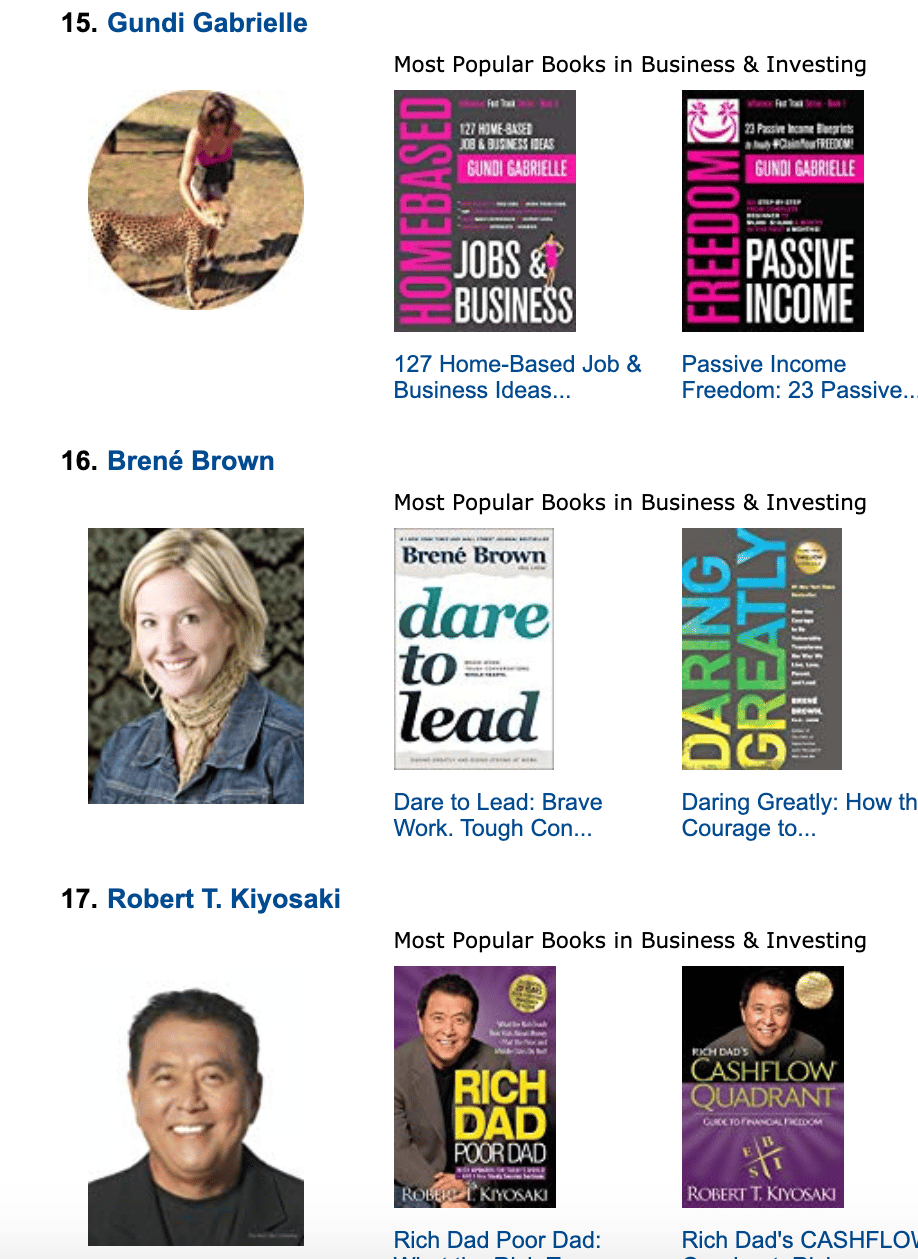
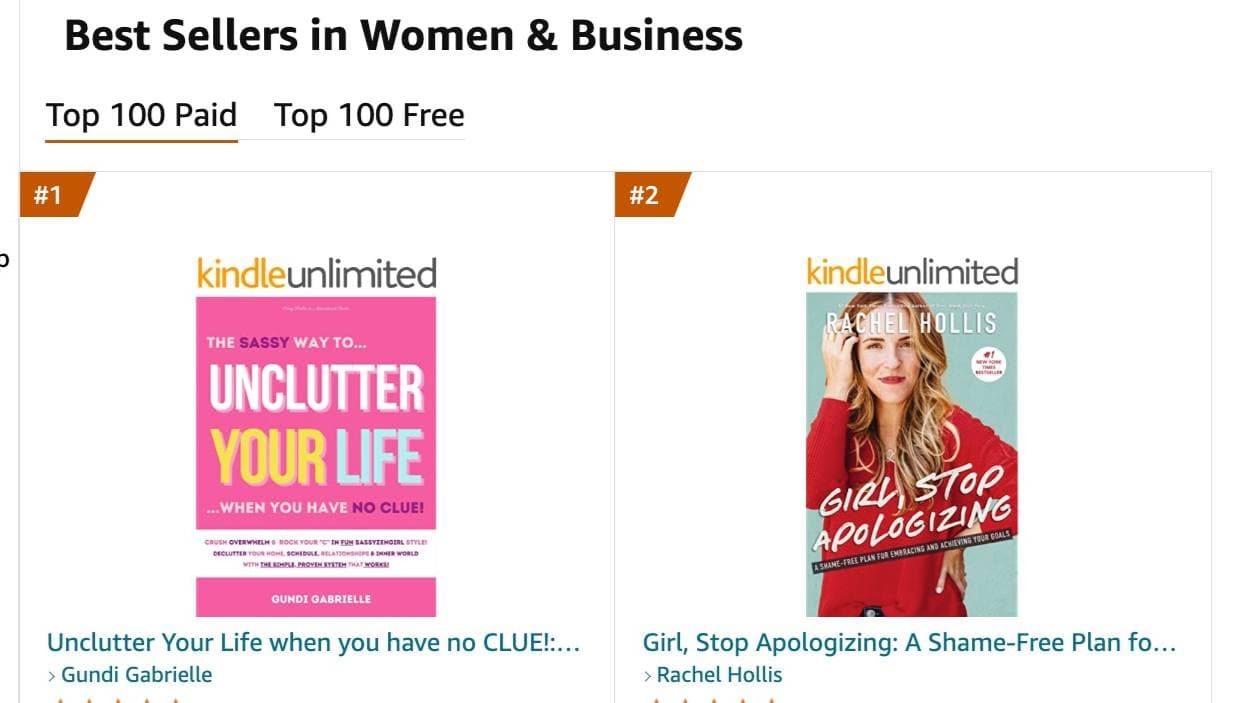
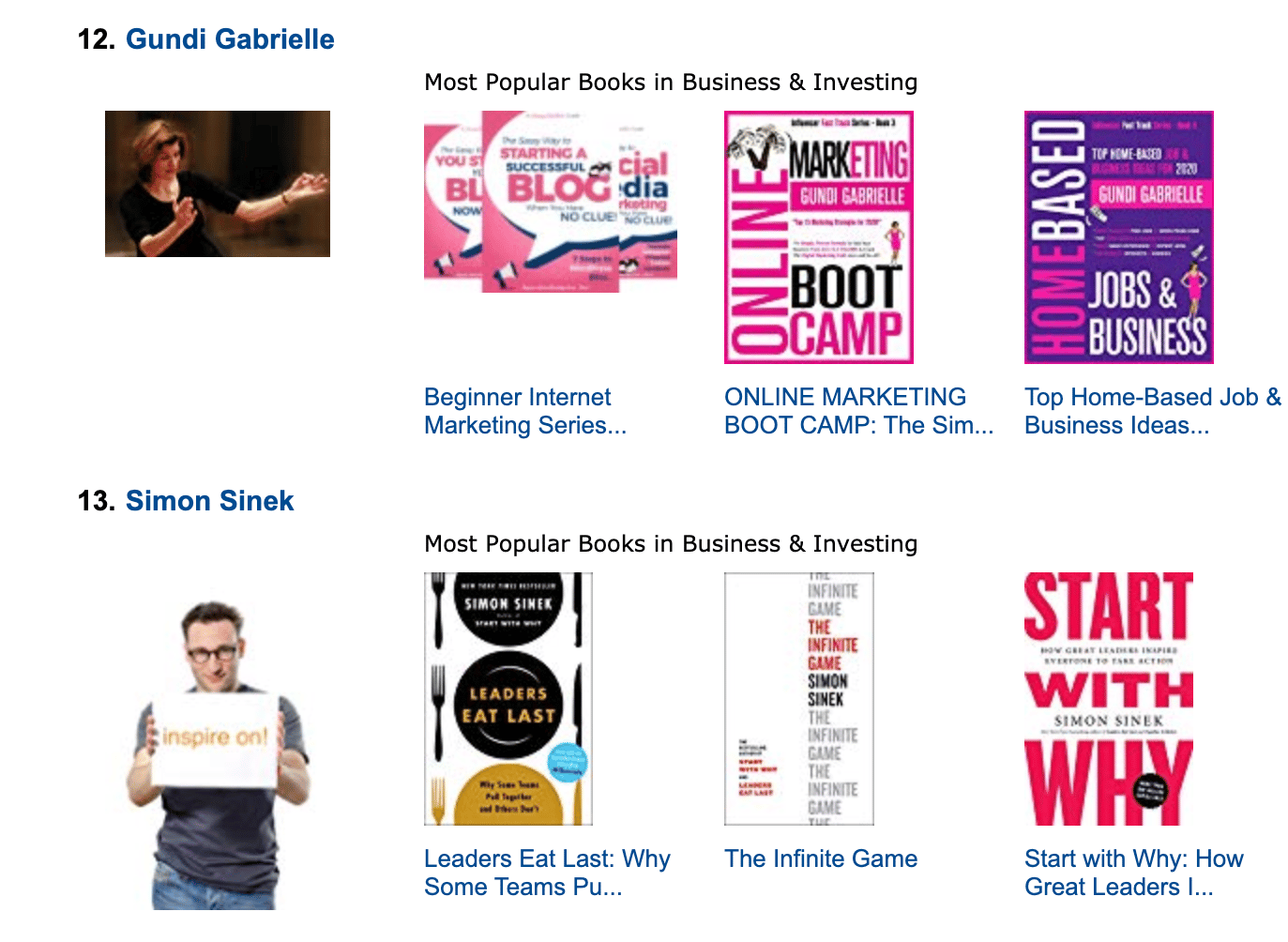
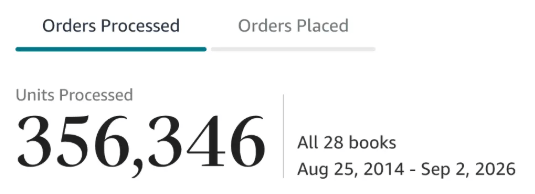
Along the way, I sold over 350,000 books, and was listed in Amazon's Top 100 Business Author Charts, ahead of authors like Simon Sinek, Brené Brown, Tim Ferriss, Robert Kiyosaki, or Brian Tracy.
No traditional publisher. No massive budget. Just understanding Amazon's algorithm and researching what readers actually want.
In my earlier years, I was a classical conductor & organist, touring the world, incl. Carnegie Hall & a performance for the Pope on St. Peter's Square.
These days, I love traveling as a Digital Nomad and orchestrating busy AI Agents 😎. Out of that came Golden Bestseller Empire — a complete AI-Powered Book Publishing Studio now helping authors around the world.
Can't wait to see you inside & help you publish your dream:
Featured In:

More on the Amazon Book Algorithm
Amazon Algorithm
Amazon KDP Algorithm: How It Works in 2027 (Amazon's New AI Algorithm Explained)
How the Amazon KDP algorithm works in 2027: keywords and sales, COSMO, Alexa for Shopping, and how a knowledge graph gets your book found.
Amazon Algorithm
Amazon COSMO Algorithm: What It Is and How Authors Can Use It
The Amazon COSMO algorithm maps why people buy. Here is what it is, what Amazon's own paper shows, and how to use it for your book, in plain English.
Amazon Algorithm
Alexa for Shopping for Authors: What Changed and What to Do
Alexa for Shopping replaced Rufus on May 13, 2026. Here is how it works for books and exactly what to put in your listing so readers get pointed to you.
Amazon Algorithm
Amazon A10 Algorithm for Authors: How It Ranks Your Book
The Amazon A10 algorithm decides which book shows up first. Here is how it works, where COSMO fits in, and what to do about it.
Amazon Algorithm
Amazon Book Ranking Algorithm: What Really Moves Your Book Up
The Amazon book ranking algorithm in plain English: what KDP says counts, what Best Sellers Rank really measures, and what you can do about it.
Amazon Algorithm
Knowledge Graph vs Keywords: Why Keywords Alone Aren't Enough on Amazon Anymore
Knowledge graph vs keywords on Amazon, in plain English: what each one does, why Amazon says search is not just matching keywords anymore, and how to use both. The seven backend keywords are only a small help.
Amazon Algorithm
What Is a Knowledge Graph for a Book? A Plain-English Guide for Authors
A knowledge graph for a book is a simple map of who it's for, what it does and when it's used. Here's what it is, why Amazon cares, and how to build yours.
Amazon Algorithm
COSMO and Alexa for Shopping: How They Work Together
COSMO figures out what a shopper means. Alexa for Shopping talks to them about it. Here is how COSMO and Alexa for Shopping fit together, in plain English, and what to do as an author.
Amazon Algorithm
COSMO Relations for Books: All 15 Explained (Plus the 3 Extra Ones for Authors)
The 15 COSMO relations from Amazon's paper explain why people buy. Here is each one in plain words, with the paper's example and what it looks like for a book.
Amazon Book Pages
Is Your Amazon Book Page Ready for AI Shopping?
Amazon's shopping assistant now answers questions and compares products in the search bar. Here's what that means for your Amazon book page, and what to check.
Want a faster way to plan and price your next book?
Golden Bestseller Empire's AI publishing tools help with exactly this kind of decision.