
Amazon Listing Optimization for Authors10 Ways FBA Sellers Optimize for Amazon's New AI — That Authors Still Ignore
Amazon sellers are rewriting their listings for COSMO and Alexa for Shopping. Here are the 10 listing strategies FBA sellers use, and exactly how KDP authors can copy each one.
Now Live
Alexa for Shopping in the US, UK and Canada
Users
400 million+ in the last 12 months
Books
Exempt from Amazon's new 75-character title rule

By Gundi Gabrielle
18 min read
Alrighty, here's something that's been bugging me for months... and I finally have to say it out loud :)
Amazon sellers, the people selling yoga mats, blenders and water bottles through FBA, have been rewriting their listings like crazy for Amazon's new AI. They have whole playbooks, agencies, checklists and monthly testing routines.
And most authors? Still writing their book page the same way they did five years ago.
Here's the news in one sentence: Amazon's AI shopping assistant, Alexa for Shopping, just expanded to the UK and Canada, has been used by more than 400 million customers in the past year, and FBA sellers are already optimizing their listings for it and for COSMO, while most KDP authors still treat that work as optional.
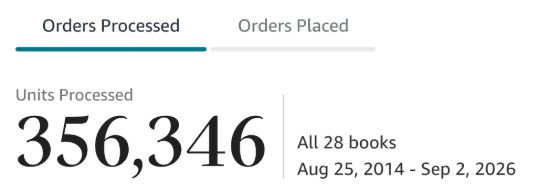
So I looked at what the seller world is actually doing. I checked it against what Amazon itself says, and translated every strategy into a book version you can copy today. I've published on KDP for over 10 years and sold more than 350,000 books, and I promise: none of this is hard. It's just new.
Ready? Let's rock it!
What just happened with Alexa for Shopping?
In one week in November 2026, Alexa for Shopping launched in the UK and Canada, and in the US, Amazon opened text-message shopping to everyone using it. Here's the timeline, straight from Amazon:
| Date | What happened |
|---|---|
| May 13, 2026 | Rufus is renamed Alexa for Shopping in the US |
| October 29, 2026 | Amazon adds 100+ new shopping actions to Alexa for Shopping |
| October 29, 2026 | Amazon's CEO reports 400 million+ users in the last 12 months |
| November 11, 2026 | Alexa for Shopping launches in the UK |
| November 12, 2026 | Alexa for Shopping launches in Canada |
| November 13, 2026 | Text-to-shop in the US is "widely available to all Alexa for Shopping customers" |
On Amazon's Q3 earnings call, CEO Andy Jassy said more than 400 million customers had used Alexa for Shopping in the last 12 months, with customer interactions up 570% year over year. He also said US customers who use it spend 50% more per order than those who don't.
And here's the line I'd underline twice: Jassy said Amazon believes "Alexa for Shopping is going to be the primary shopping agent customers use to shop Amazon."
Amazon has also been blocking outside AI shopping agents from the Amazon store, and even took one to court. So on Amazon, this is the AI that talks to your future readers.
What does Alexa for Shopping do now?
It answers shoppers' questions, compares products, summarizes them with AI and can even buy for them. According to Amazon's Canada launch page, it now offers:
- AI overviews at the top of search results in the Amazon Shopping app, and on product pages too
- Shopping guides that compare "features, prices, and reviews across Amazon and the web"
- Up to a full year of price history (30, 60 or 365 days)
- Cart building and reorders, all by conversation
- Memory of what each shopper likes
It's free for anyone signed in. No Prime, no Echo needed.
Now think about what that means for your book. A reader asks a question, and an AI reads your page, sums it up, and compares it with other books. Your book page isn't only talking to readers anymore. It's being summed up for them by an AI.
What is COSMO?
COSMO is Amazon's knowledge graph of why people buy things, and it connects products to who they're for, what they're used for and when.
Amazon's researchers described it in a peer-reviewed paper: it learns from what people search for and buy, and links products to reasons like "used for," "used by" and "used in."
So are keywords dead? No, they just work differently now. COSMO isn't the ranking algorithm. It decides which books are in the running. Amazon's A9 algorithm still decides who comes first, using things like sales and relevance. KDP itself says "relevant keywords can boost placement in search results." What's changed is where keywords do their work. Your main keywords belong in your title, subtitle and description, written the way a reader would say them, not stuffed in as a list. The seven backend keyword boxes are now a smaller, supporting help.
Why are FBA sellers ahead of authors on Amazon listing optimization?
Because Amazon forced sellers to rethink their listings this year, and books were left out of that wake-up call.
Here's what happened. Amazon announced in Seller Central that, starting July 27, 2026, product titles in almost every category must fit in 75 characters. Titles that stay too long get gradually replaced with an AI-recommended version. Sellers also got a new 125-character "Item Highlights" field.
Media, which means books, music and video, is exempt. Your KDP title and subtitle can still go up to 200 characters together.
That sounds like good news, and in one way it is. But it also means every seller got a giant nudge to rewrite their listings for mobile and AI... and authors got no such push. So a whole industry of seller tools and agencies built playbooks for COSMO and Alexa for Shopping, and almost none of it reached the book world.
Let's fix that. Here are the 10 strategies, one at a time.
1. What is "use-case" language, and why does COSMO care?
COSMO is Amazon's knowledge graph of why people buy things, and it connects products to who they're for, what they're used for and when.
Amazon's researchers described it in a peer-reviewed paper: it learns from what people search for and buy, and links products to reasons like "used for," "used by" and "used in." Sellers now write those reasons straight into their listings:
- A blender used for green smoothies.
- A sippy cup used by toddlers.
- A sofa bed used in small apartments.
The author version: name your reader, their problem and the moment they'd reach for your book.
- Who: moms with kids in school
- Problem: feeling fried and snappy by evening
- Moment: the school pickup rush, the 5pm kitchen chaos
- Result: feeling like yourself again before dinner
And here's my favorite finding from the COSMO paper: about 35% of the search-to-purchase links it found were "typical," meaning the most common reason people buy. So one clear, typical reason beats five clever ones. I explain all 18 of these relations in my COSMO relations guide.
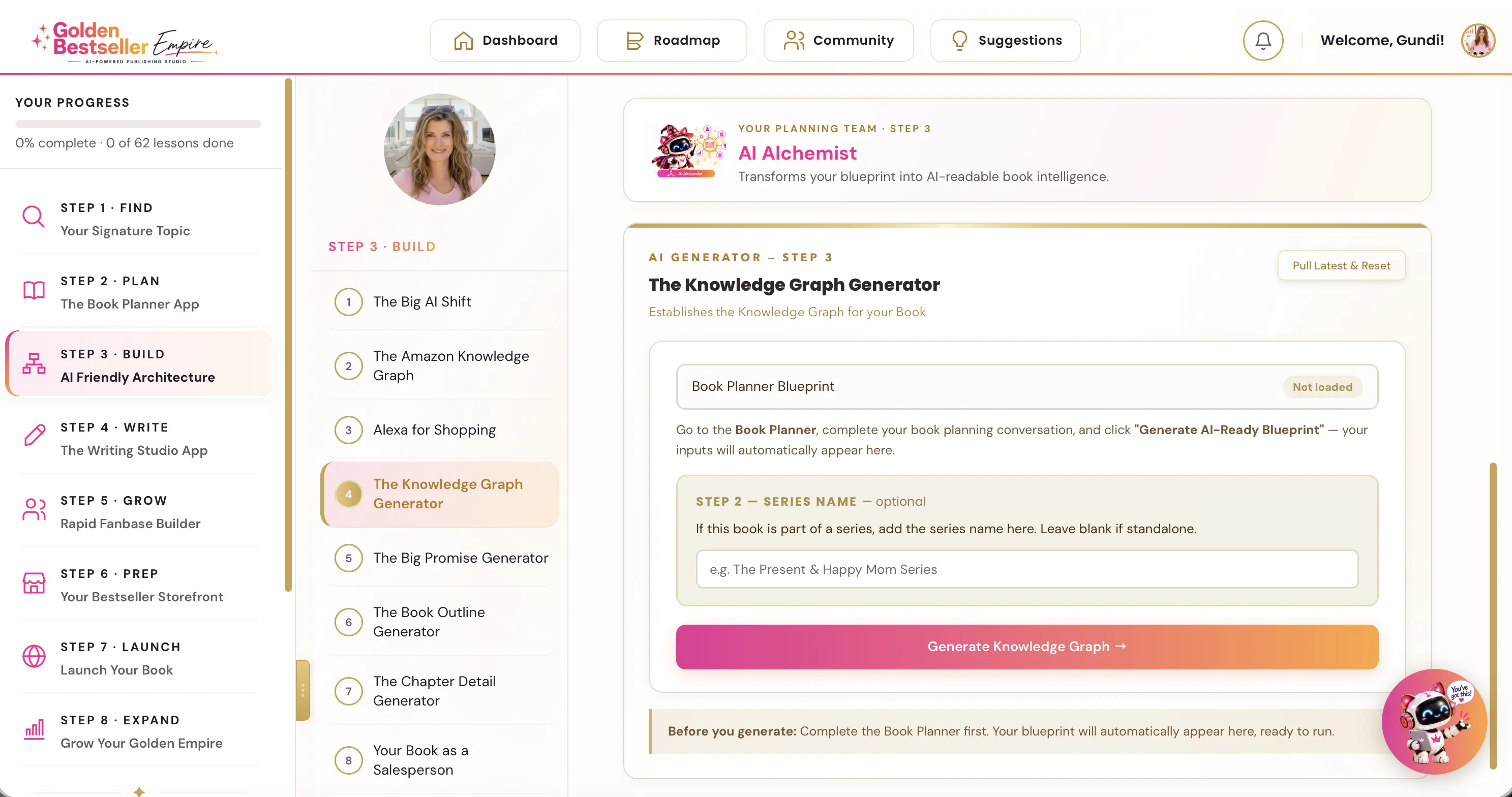
👑 Want Amazon's AI to know exactly who your book is for, and when they need it? Golden Bestseller Empire is the only app that builds a Knowledge Graph for your book with one click, optimized for Amazon's new COSMO, straight from your Book Planner Blueprint. Then it uses that map to create your outline, chapter details, title, description, A+ Content, backend keywords and even your Amazon ads, 1-click optimization to Amazon's new AI while most authors are still guessing. → See how it works
2. Do FBA sellers still write keyword titles?
No. Sellers now write titles as a plain-English phrase that says what the product is, the main benefit and who it's for, with the keywords in the first 80 characters.
Seller guides call this "noun phrase" thinking. A keyword is "blender." A noun phrase is "high-speed blender for green smoothies." The second one tells the AI what it is AND what it's for.
Why the first 80 characters? Seller guides point out that titles get cut off on phones, including in the chat window.
The author version: your title is your brand, so keep it. But make sure the subtitle says who the book is for and what it helps them do, early, in words a reader would say out loud.
| Weak subtitle | Strong subtitle |
|---|---|
| A Guide to Wellness, Mindfulness, Self-Care, Stress Relief and Happiness | 5-Minute Resets for Busy Moms Who Feel Fried by 5pm |
The first one is five fuzzy ideas. The second one is one clear reader, one clear moment and one clear result. That's exactly what COSMO looks for (more on that in #1).
3. How do sellers write bullets for Alexa?
One shopper question per bullet, answered with a specific, checkable fact.
Seller playbooks now build bullets like this: what makes it different, what it's made of, who it's for and when to use it, what fits with it, what's in the box. Every vague word like "premium" gets swapped for a real detail.
Amazon's own advertising team says the same thing in plainer words. In a guide to AI shopping agents, Amazon Ads warns that "inconsistent product information, sparse descriptions, or missing context" make agents skip you.
The author version: books don't have bullets, but your description does the same job. Write down the five questions a reader would ask, and make sure each one is answered in one plain sentence:
- Who is this book for?
- What will I be able to do after reading it?
- What's inside? (exercises, recipes, templates, real stories)
- When would I use it?
- How is it different from the other books?
KDP calls your description "a 30-second elevator pitch." Think of it as a pitch the AI will repeat for you. It can only repeat what you actually wrote.
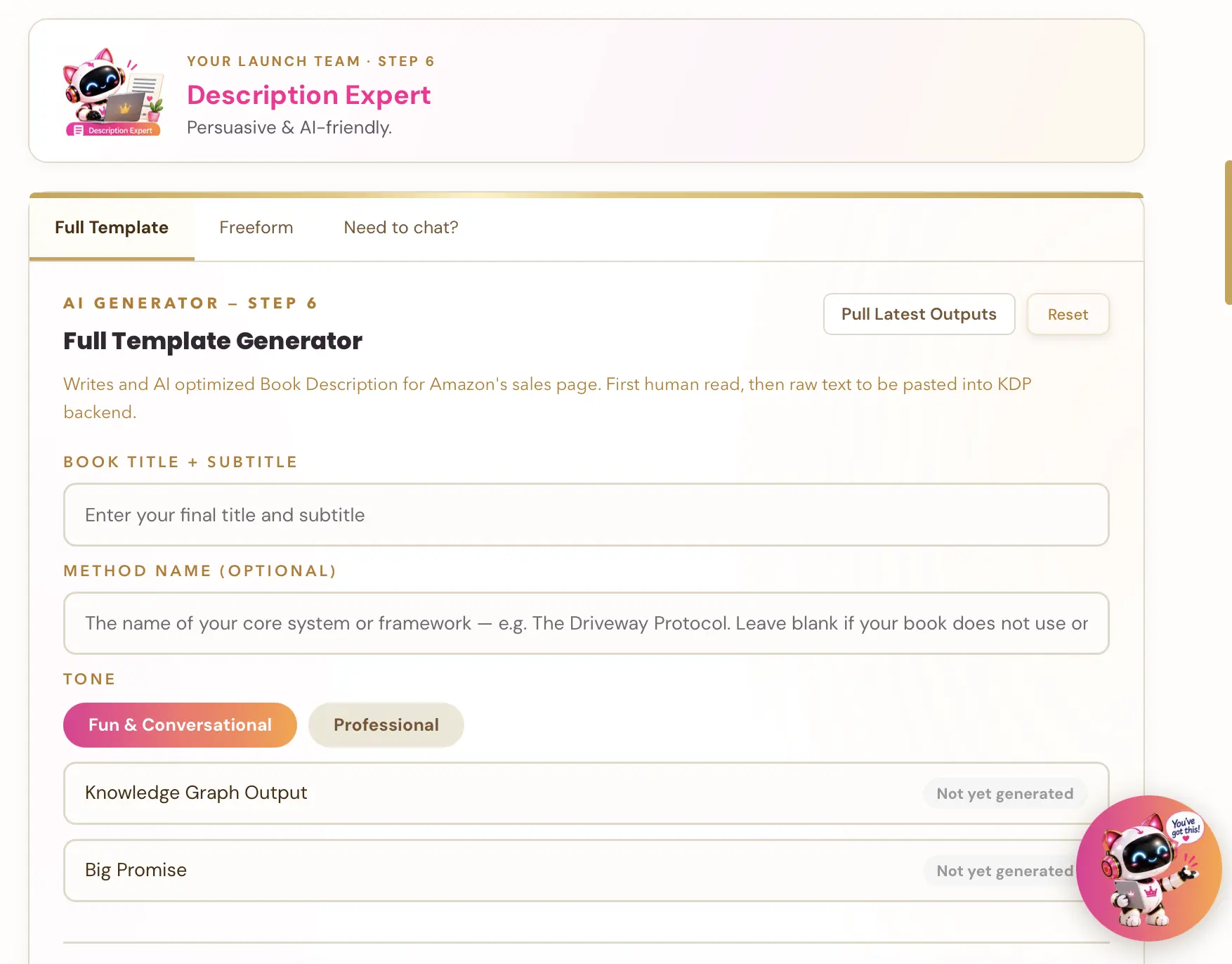
👑 Want your whole book page rebuilt for Amazon's new AI, without the guesswork? Golden Bestseller Empire's one-click generators build your entire book listing page. That's your title and subtitle, description, A+ Content and backend keywords, all optimized for Amazon's new COSMO. → Start optimizing yours
4. How do sellers think about reviews now?
Sellers want reviews that describe how people actually used the product, because the AI summarizes reviews for shoppers.
A "great product!" review doesn't help a shopper decide. A review that says "I used this on my hot yoga mornings and it never slipped" does. And Alexa for Shopping compares reviews when it builds a shopping guide.
The author version: you can't ask readers for a rating or a positive review, and KDP is clear that you can't require a review in exchange for a copy. But you can write a book that gives readers words to repeat: a clear promise, memorable chapter takeaways, and a result they can describe. When early readers talk about your book in the same words your page uses, your book's story gets stronger everywhere. More on that in Alexa for Shopping for authors.
And here's the part most authors miss: your launch team. When you give advance copies to early readers, you can't ask them for five stars, but you can (and absolutely should!) encourage them to be specific if they choose to leave an honest review. Ask them to share:
- What helped them most
- A key takeaway
- Their favorite chapter
- Who they think the book is ideal for
My favorite question to give them: "What would you find helpful in a review if you were thinking of buying this book?" That one question turns "Loved it!" into "The 5-minute evening reset in Chapter 3 finally stopped my after-work meltdowns. Perfect for working moms with little kids." And that's exactly the kind of review a reader, and Amazon's AI, can actually use. :)
5. What does "more is more" mean for sellers?
Sellers are filling their brand pages with as much real information as possible, because AI agents trust brands that give them more to work with.
In Amazon Ads' own guide, one agency leader puts it simply: "In the world of AI, more is more." The guide says what builds an agent's confidence: "Richer registry details, complete A+ content, substantive reviews."
The author version: your "brand" is you. That means your Author Central author page: a real bio, your photo, your other books, and Editorial Reviews (KDP points authors to Author Central for those, because reviews aren't allowed inside A+ Content). Most author pages I see are either empty or one line long. That's a missed chance to tell the AI, and the reader, why you're the person to learn from.
6. Why do sellers make everything match everywhere?
Because AI agents skip listings with inconsistent information, and they also read the web.
Amazon's Canada page says Alexa for Shopping uses "in-depth information from across the web," and the shopping guides compare products "across Amazon and the web." Amazon Ads lists "inconsistent product information" as a reason agents pass a product by.
The author version: say the same promise, to the same reader, in the same words in:
- Your title and subtitle
- Your description
- Your A+ Content
- Your introduction (KDP confirms it uses "the actual words that match inside the book" in search, and the first part of your book is what readers preview)
- Every format: Kindle, paperback, hardcover, audiobook
- Your website, your author bio, your LinkedIn, YouTube and other social media, and anywhere else your book is mentioned online
Your subtitle says it's for busy moms, your description says "for anyone who feels stressed," and your LinkedIn post calls it "a book for women"? To you, that's the same reader. To an AI, those are three different audiences, and none of them is clear.
7. Why do sellers fill in every single attribute?
Because AI assistants lean on structured details, and empty fields mean missing context.
Seller guides tell sellers to go through every attribute tab, not just the required fields: material, size, audience, use, count, and so on.
The author version: KDP has fewer fields, but authors skip the optional ones all the time. Here's your list:
| KDP field | Why it matters now |
|---|---|
| Subtitle | Your best spot to name the reader and result |
| 3 categories (per format) | Where your book sits next to books like it |
| 7 keyword boxes | Use up to all 50 characters in each box, blending several phrases a reader would really type |
| Series | Links all your books in the series on one page, so a reader who loved Book 1 finds Book 2 right away |
| Reading age | Tells Amazon, and parents, which age a children's book is for |
| Contributors | Credits the illustrator, editor or translator |
| A+ Content | Extra space to show who the book is for and what's inside |
| Author page (Author Central) | Your bio, your photo and your other books |
None of these are new. What's new is that an AI now reads them.
8. Why are sellers moving facts out of their images?
Because the important facts need to be in text, not only inside a picture.
Sellers used to put sizes, counts and comparisons into beautiful infographics. Now seller guides say: keep your key specs in the text too, and write image descriptions (alt text) that actually describe the picture. One example from a seller guide: "a woman making a smoothie with a 1200-watt blender," not "blender product image."
The author version: this is your A+ Content. Most authors upload gorgeous A+ images with all the important words baked into the picture, and leave the text fields thin.
KDP already has a rule about this. Its A+ Content guidelines say alt text "that doesn't describe the image, and wouldn't help a customer using a screen reader, can get your content rejected." So describe each image properly, and put your key promise in the module text as well. My A+ Content guidelines post has every rule.
9. Do sellers really test their listings in the AI chat?
Yes. Serious sellers ask Amazon's assistant about their product every month and fix whatever it gets wrong.
Seller playbooks recommend asking category questions ("What's the best yoga mat for hot yoga?") and product questions, writing down what the AI says, fixing the listing, and repeating monthly.
The author version: open the Amazon app, tap the Alexa icon, and ask the question your reader would ask:
- "What's a good book for a mom who feels burned out after work?"
- "Is there a book with quick exercises for anxiety at night?"
- Then, on your own book page: "Who is this book for?"
Does your book show up? Does the AI describe it the way you would? If not, your page isn't saying it clearly enough yet. Every shopper's answers are a little different, so treat it as feedback, not a score. :)
10. Can authors advertise inside Alexa for Shopping?
Not yet. Sellers can, but Amazon's AI ad formats inside Alexa for Shopping exclude authors and publishers.
This is one place where sellers really are ahead, and it's not their fault or ours. Amazon now runs "prompts," little AI-suggested questions attached to sellers' ads that can open a conversation with the shopping assistant. Amazon Ads says this feature is for U.S. advertisers "excluding authors and publishers." And the next step, Branded Conversations, launching in January 2027, is for Sponsored Brands advertisers "(not authors)."
Amazon's book ads page lists where your book ads do show: in shopping results and on product detail pages.
The author version: since you can't buy your way into the Alexa conversation (yet!), your book page has to earn it. That's exactly what #1 to #9 do. And as one agency leader put it in an Amazon Ads guide, "You can't just update the PDP": your book still needs to be available, selling steadily and priced right. Your regular Sponsored Products ads help with that last part, because sales are sales.
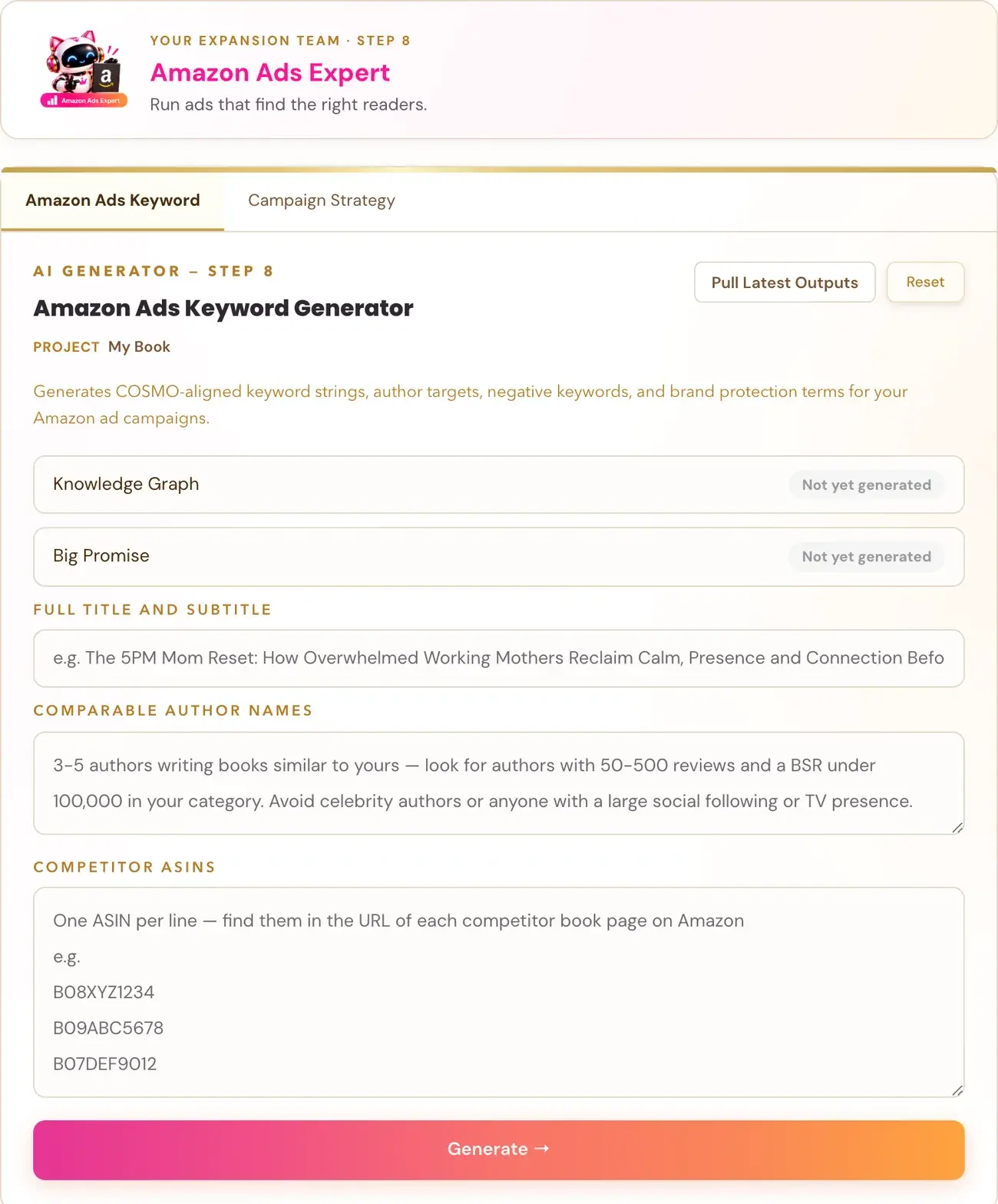
👑 Running Amazon ads for your book? Golden Bestseller Empire's Ad Campaign Strategy Generator plans your campaigns. Then the Amazon Ads Keyword Generator builds your keyword lists with one click. → See how it works
What do FBA sellers do that authors can't copy?
A few seller tactics simply don't fit books, and that's okay.
- The 75-character title rule: books are exempt, so don't chop your title.
- The Item Highlights field: it's a seller field. Your subtitle and description do that job.
- Product inserts that steer reviewers: KDP's review rules are strict. Never ask for a review in exchange for anything.
- Comparison charts against competitors: KDP's A+ guidelines only allow comparisons with your own books.
So copy the thinking, not every tactic.
What should authors do now?
Here's your quick to-do list, in the order I'd do it:
- Ask Alexa for Shopping three questions your reader would ask, and write down what it says.
- Rewrite your subtitle so it names the reader and the result, early.
- Check your description: can it answer the five reader questions in one sentence each?
- Fill in every KDP field: series, reading age (for kids' books), contributors, all three categories and all seven keyword boxes.
- Fix your A+ Content: key promise in the text, and alt text that truly describes each image.
- Update your Author Central page with a real bio and your other books.
- Make it match everywhere: title, description, A+, introduction, every format, your website.
- Repeat step 1 next month and see what changed.
My take: the gap is your opportunity
Here's what excites me about this: when a whole industry is busy optimizing for Amazon's new AI and authors aren't, every author who moves now gets a head start. After 10 years on KDP, I've learned that the authors who win are rarely the ones with the most books. They're the ones who adapt first.
And honestly? The book version is easier than the seller version. You don't need 9 images and a product video. You need one clear reader, one clear promise, said the same way everywhere. That's it.
If you want the bigger picture of how all of this fits together, start with my guide to the Amazon KDP algorithm, then COSMO and Alexa for Shopping: how they work together. And I keep every change I can verify on my latest Amazon KDP updates page.
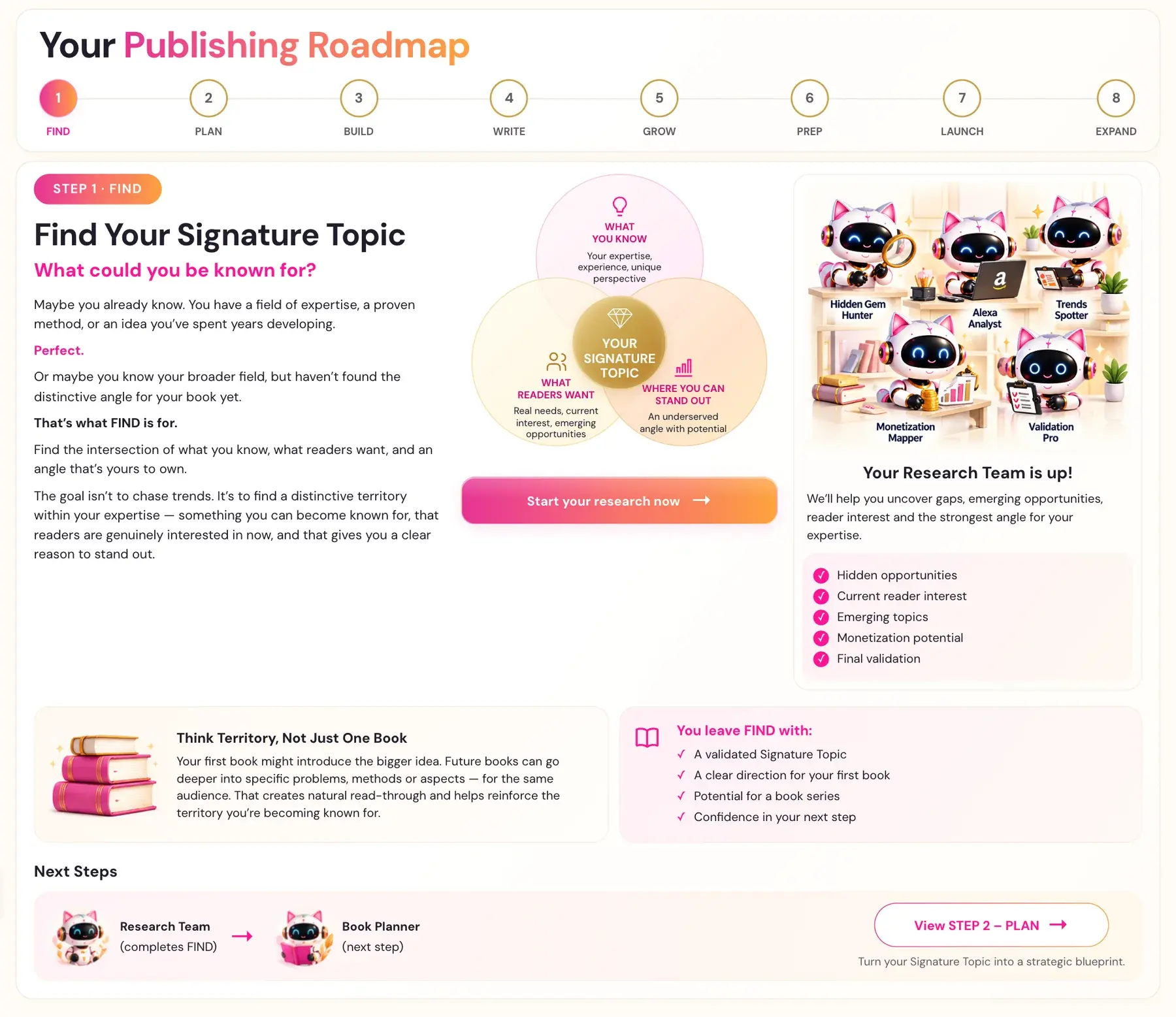
👑 A great book page starts with a topic readers already want. Golden Bestseller Empire's 5 Research AI Generators help you find your Signature Topic: where what you know meets what readers in your niche actually want. → Find your Signature Topic
Happy publishing... and here's to Alexa recommending YOUR book next :)
Related reading
- Alexa for Shopping for authors: what changed and what to do
- COSMO and Alexa for Shopping: how they work together
- Amazon COSMO algorithm: what it is and how authors can use it
- Is your Amazon book page ready for AI shopping?
- KDP metadata guidelines
- Build your Amazon sales page: title, description, A+ Content, author bio and backend keywords, step by step.
Frequently Asked Questions
What is Alexa for Shopping?
Alexa for Shopping is Amazon's AI shopping assistant. It was called Rufus until Amazon renamed it on May 13, 2026. It answers shoppers' questions, compares products, shows AI overviews at the top of search results and can build a cart. It's free for anyone signed in to Amazon, and it launched in the UK on November 11, 2026 and in Canada on November 12, 2026.
How many people use Alexa for Shopping?
More than 400 million customers used Alexa for Shopping in the last 12 months, according to Amazon CEO Andy Jassy on the Q3 2026 earnings call. He also said U.S. customers who use it spend 50% more per order than those who don't.
How do I optimize my Amazon book listing for COSMO and Alexa for Shopping?
Say clearly who your book is for, the problem it solves, the moment a reader needs it and the result, and say it the same way everywhere. Put it in your subtitle, description, A+ Content and keywords, fill in every KDP field, and use the same words on your website and social media. Then ask Alexa for Shopping the questions your reader would ask and see whether your book shows up.
Does Amazon's 75-character title rule apply to books?
No. Amazon's 75-character title limit for sellers, enforced from July 27, 2026, exempts media, which means books, music and video. On KDP, your title and subtitle together can still be up to 200 characters.
Can authors advertise inside Alexa for Shopping?
Not yet. Amazon Ads says its Sponsored Products and Sponsored Brands prompts, the AI ad format that opens a conversation in Alexa for Shopping, are available to U.S. advertisers excluding authors and publishers. Book ads show in shopping results and on product detail pages.
Can I ask my launch team to review my book?
You can't ask for a rating or a positive review, or require a review in exchange for a copy. But you can encourage advance readers to be specific if they choose to leave an honest review: what helped them most, a key takeaway, their favorite chapter and who the book is ideal for.
Sources & Citations
- About Amazon Canada: Meet Alexa for Shopping (November 12, 2026)
- About Amazon UK: Meet Alexa for Shopping (November 11, 2026)
- About Amazon: Text, shop, done (updated November 13, 2026)
- About Amazon: Alexa for Shopping adds 100+ new capabilities (October 29, 2026)
- Amazon Q3 2026 earnings call transcript (October 29, 2026)
- Amazon Ads: Sponsored Products prompts and Sponsored Brands prompts
- Amazon Ads: What agentic shopping means for advertising (June 11, 2026)
- Amazon Ads: How brands can connect with customers shopping alongside AI agents (August 5, 2026)
- Amazon Ads: Advertising solutions for books
- COSMO: A Large-Scale E-commerce Common Sense Knowledge Generation and Serving System at Amazon (SIGMOD-Companion 2024)
- KDP Help: Read Sample (Look Inside the Book)
- KDP Help: Book description
This page is maintained independently and is not affiliated with Amazon. Always double-check the latest numbers inside your own KDP account before making pricing decisions.
Found this useful? Get more of this site in your Google.
One tap adds us as a preferred source — Google then shows you our posts more often in Search, Top Stories, and AI Overviews.
Created By

Top 100 Business Author · Carnegie Hall Conductor · Founder of Golden Bestseller Empire
Hey, I'm Gundi, and for over a decade, I've helped thousands of everyday people turn what they know into a bestselling book.
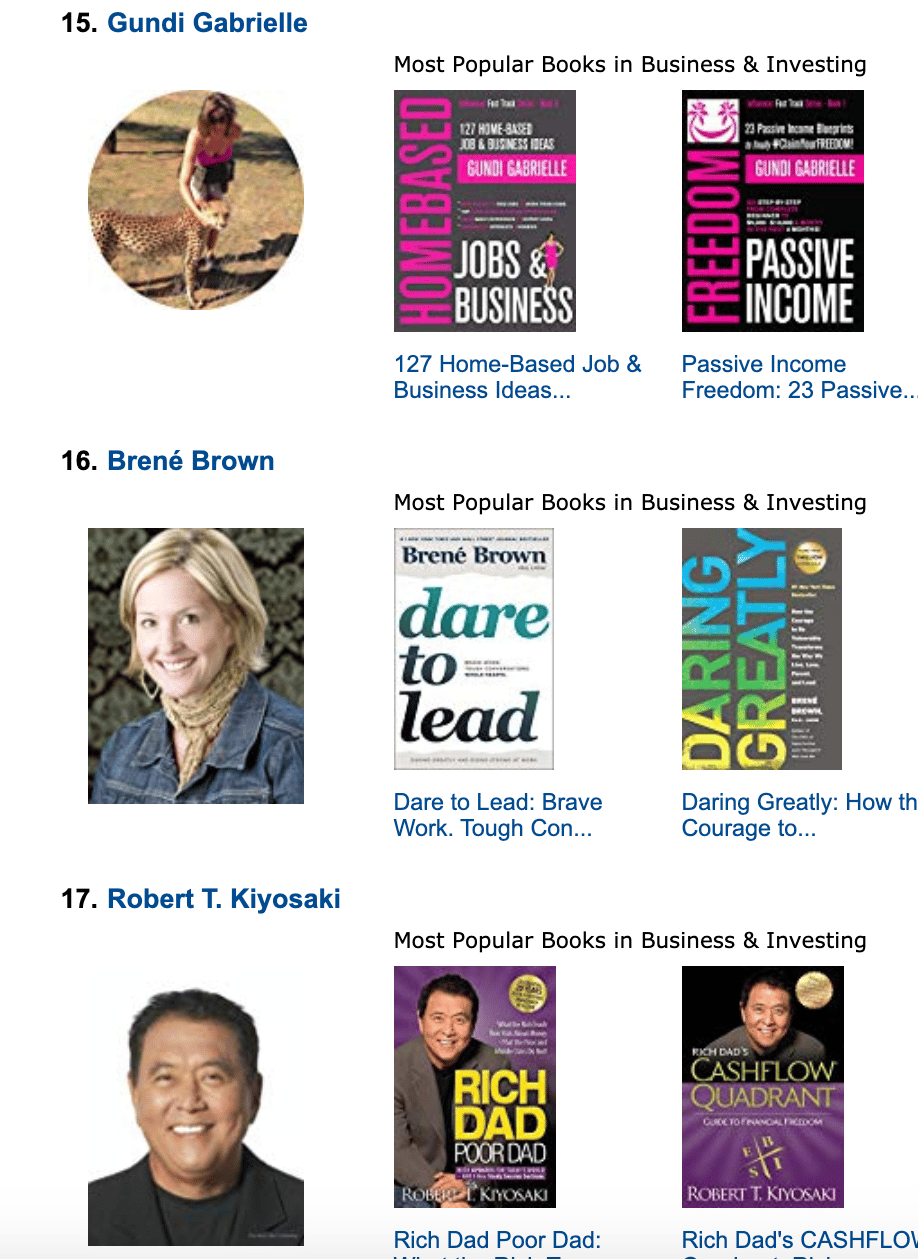
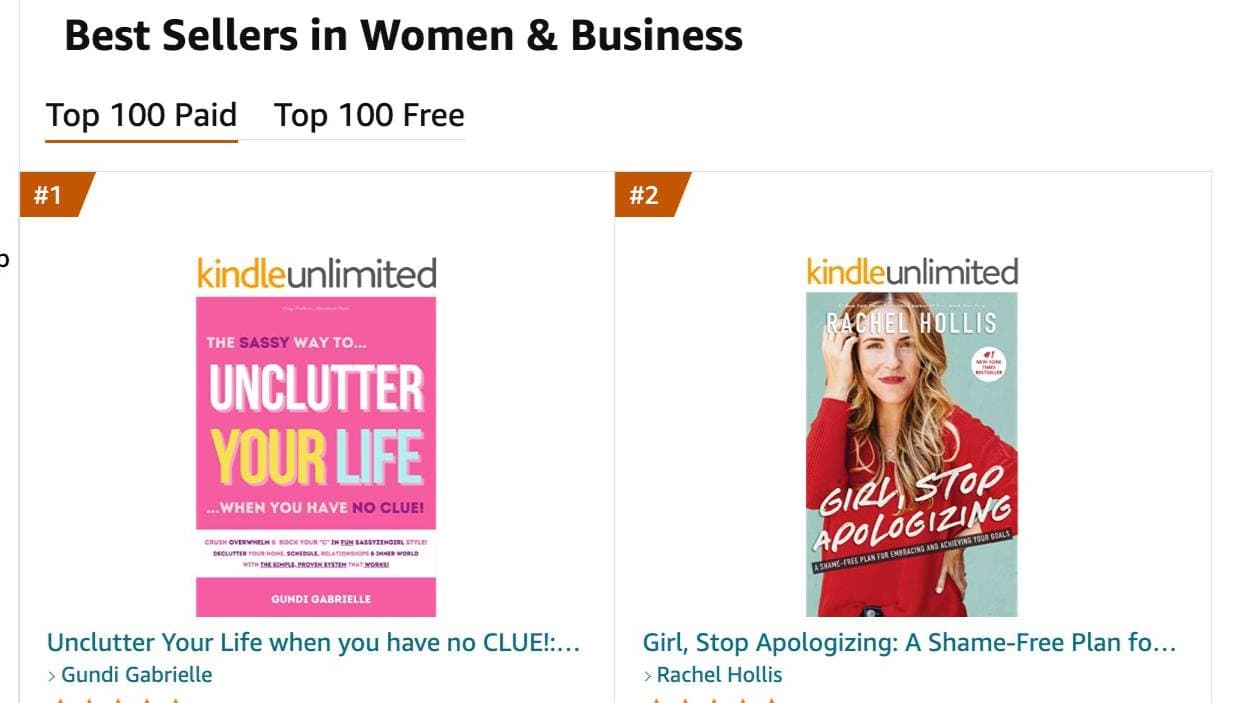
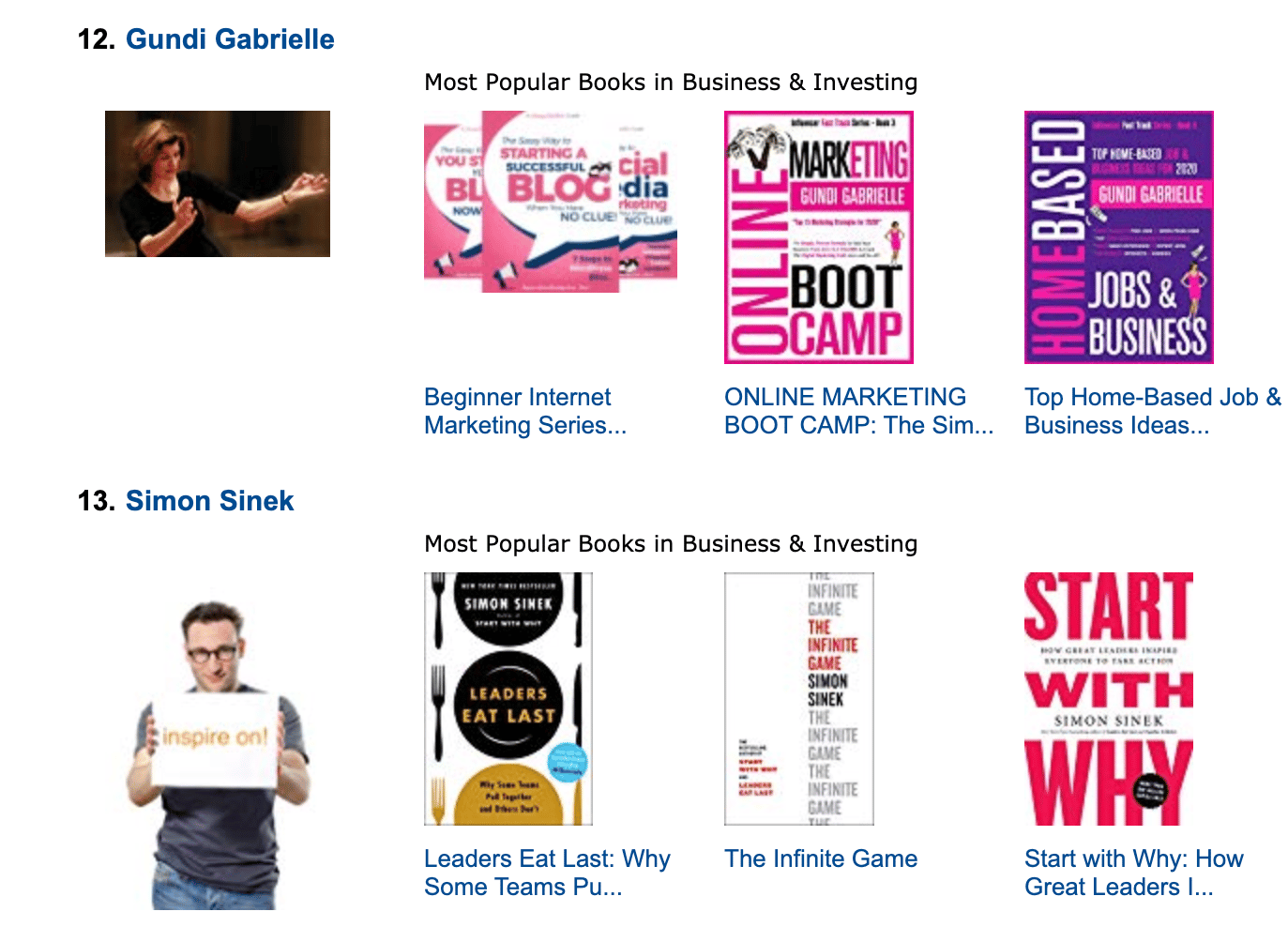
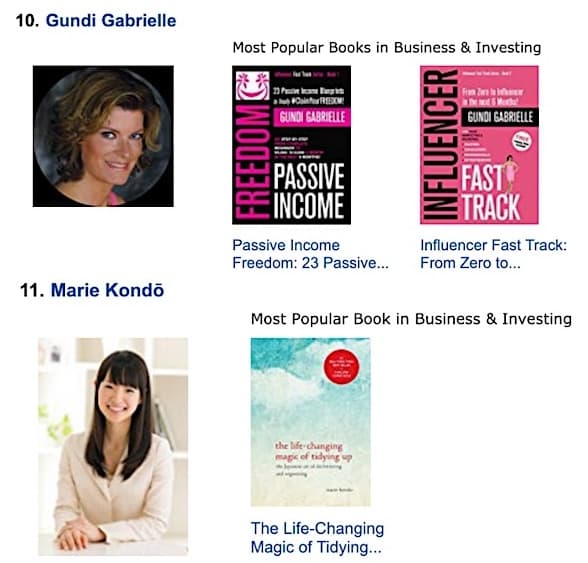
Along the way, I sold over 350,000 books, and was listed in Amazon's Top 100 Business Author Charts, ahead of authors like Simon Sinek, Brené Brown, Tim Ferriss, Robert Kiyosaki, or Brian Tracy.
No traditional publisher. No massive budget. Just understanding Amazon's algorithm and researching what readers actually want.
In my earlier years, I was a classical conductor & organist, touring the world, incl. Carnegie Hall & a performance for the Pope on St. Peter's Square.
These days, I love traveling as a Digital Nomad and orchestrating busy AI Agents 😎. Out of that came Golden Bestseller Empire — a complete AI-Powered Book Publishing Studio now helping authors around the world.
Can't wait to see you inside & help you publish your dream:
Featured In:
More on the Amazon Book Algorithm
Amazon Algorithm
Amazon KDP Algorithm: How It Works in 2027 (Amazon's New AI Algorithm Explained)
How the Amazon KDP algorithm works in 2027: keywords and sales, COSMO, Alexa for Shopping, and how a knowledge graph gets your book found.
Amazon Algorithm
Amazon COSMO Algorithm: What It Is and How Authors Can Use It
The Amazon COSMO algorithm maps why people buy. Here is what it is, what Amazon's own paper shows, and how to use it for your book, in plain English.
Amazon Algorithm
Alexa for Shopping for Authors: What Changed and What to Do
Alexa for Shopping replaced Rufus on May 13, 2026. Here is how it works for books and exactly what to put in your listing so readers get pointed to you.
Amazon Algorithm
Amazon A10 Algorithm for Authors: How It Ranks Your Book
The Amazon A10 algorithm decides which book shows up first. Here is how it works, where COSMO fits in, and what to do about it.
Amazon Algorithm
Amazon Book Ranking Algorithm: What Really Moves Your Book Up
The Amazon book ranking algorithm in plain English: what KDP says counts, what Best Sellers Rank really measures, and what you can do about it.
Amazon Algorithm
Knowledge Graph vs Keywords: Why Keywords Alone Aren't Enough on Amazon Anymore
Knowledge graph vs keywords on Amazon, in plain English: what each one does, why Amazon says search is not just matching keywords anymore, and how to use both. The seven backend keywords are only a small help.
Amazon Algorithm
What Is a Knowledge Graph for a Book? A Plain-English Guide for Authors
A knowledge graph for a book is a simple map of who it's for, what it does and when it's used. Here's what it is, why Amazon cares, and how to build yours.
Amazon Algorithm
COSMO and Alexa for Shopping: How They Work Together
COSMO figures out what a shopper means. Alexa for Shopping talks to them about it. Here is how COSMO and Alexa for Shopping fit together, in plain English, and what to do as an author.
Amazon Algorithm
COSMO Relations for Books: All 15 Explained (Plus the 3 Extra Ones for Authors)
The 15 COSMO relations from Amazon's paper explain why people buy. Here is each one in plain words, with the paper's example and what it looks like for a book.
Amazon Book Pages
Is Your Amazon Book Page Ready for AI Shopping?
Amazon's shopping assistant now answers questions and compares products in the search bar. Here's what that means for your Amazon book page, and what to check.
Amazon Algorithm
AI-Generated Books and the Amazon Algorithm: Why Specific Beats Generic
AI-generated books can rank on Amazon but rarely sell. Here is what KDP makes you disclose, why generic books lose, and the AI-assisted way to publish.
Want a faster way to plan and price your next book?
Golden Bestseller Empire's AI publishing tools help with exactly this kind of decision.